
How to Prepare a Liver Flush at Home
A home liver flush offers a natural approach to supporting your liver health and potentially removing gallstones without medical procedures. This guide is perfect for health-conscious individuals who want to try alternative wellness methods and those curious about natural liver cleanse recipes.
Many people turn to liver flushes when they experience digestive issues, fatigue, or want to give their liver extra support. The process involves drinking specific mixtures over several hours to encourage bile production and gallstone elimination.
We’ll walk you through the proven benefits and important safety considerations you need to know before starting. You’ll also get a complete shopping list of essential ingredients and equipment for your home gallstone detox. Finally, we’ll answer the most common questions people have about liver flushing, from what to expect during the process to who should avoid this cleanse altogether.
Table of Contents
- How to Prepare a Liver Flush at Home
Understanding Liver Flush Benefits and Safety Considerations
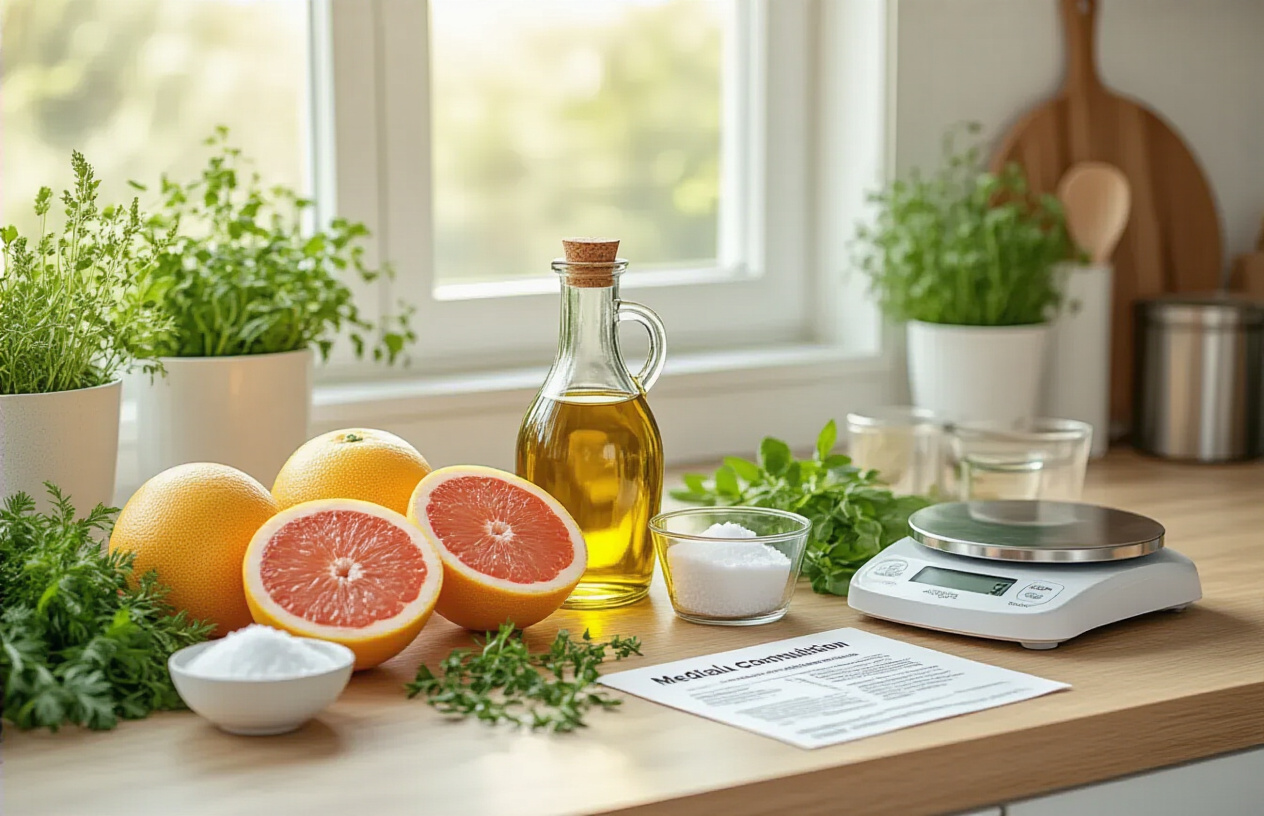
How liver flushing supports natural detoxification processes
Your liver works around the clock as your body’s primary detox powerhouse, processing toxins, metabolizing fats, and producing bile. A home liver flush can help support these natural functions by encouraging the release of accumulated bile and potentially trapped debris from your gallbladder and bile ducts.
The liver produces about 800-1,000ml of bile daily, which gets stored in your gallbladder until needed for digestion. When you consume the specific combination of ingredients in a natural liver cleanse recipe, you’re essentially triggering a strong bile release that can help flush out stagnant material that may have built up over time.
During a flush, the magnesium salts (Epsom salt) work to relax the bile ducts, while the grapefruit juice and oil mixture stimulates powerful gallbladder contractions. This coordinated action creates an environment where your body can naturally eliminate what some practitioners believe are gallstones, bile sludge, and other accumulated waste products.
Key health benefits you can expect from regular liver cleansing
People who regularly perform liver flushes often report several noticeable improvements in their overall well-being. Many experience increased energy levels, describing feeling more vibrant and less sluggish throughout the day. This energy boost typically occurs because a cleaner liver can more efficiently process nutrients and toxins.
Digestive improvements are commonly reported benefits. Users frequently notice better fat digestion, reduced bloating, and more regular bowel movements. Some people find that foods they previously had trouble digesting become more tolerable after completing a gallstone detox protocol.
Skin clarity often improves following liver flushes. Since your liver plays a crucial role in hormone metabolism and toxin elimination, supporting its function can lead to clearer, more radiant skin. Many people notice reduced acne, fewer skin irritations, and an overall healthier complexion.
Other commonly reported benefits include:
- Improved sleep quality and deeper rest
- Better mood stability and mental clarity
- Reduced food cravings, especially for processed foods
- Enhanced immune system function
- More efficient weight management
Essential safety precautions and contraindications to know
Liver flushing isn’t suitable for everyone, and certain health conditions make this practice potentially dangerous. Never attempt a liver flush if you have active gallbladder disease, gallstones larger than 2cm (confirmed by ultrasound), or any acute gallbladder inflammation.
People with diabetes should exercise extreme caution, as the fasting and large intake of grapefruit juice can significantly affect blood sugar levels. The magnesium in Epsom salt can also interact with diabetes medications.
Pregnancy and breastfeeding are absolute contraindications for liver flushing. The intense detox process and powerful ingredients can pose risks to both mother and baby. Similarly, children under 18 should not perform liver flushes without specific medical supervision.
Other important contraindications include:
- Active liver disease or hepatitis
- Kidney disease or impaired kidney function
- Heart conditions, especially those affecting heart rhythm
- Severe digestive disorders like Crohn’s disease or ulcerative colitis
- Recent abdominal surgery
- Current use of blood-thinning medications
Always start with smaller amounts to test your tolerance, and never perform back-to-back flushes without adequate recovery time between sessions.
When to consult your healthcare provider before starting
Schedule a consultation with your healthcare provider if you have any underlying health conditions, take prescription medications, or have never attempted any form of detox protocol. Your doctor can assess whether liver flushing aligns with your current health status and medical history.
People with a history of gallbladder issues should definitely seek medical advice first. While some practitioners believe liver flushing can help prevent gallstone formation, others argue it could potentially trigger gallbladder attacks in susceptible individuals.
If you’re taking medications for blood pressure, blood sugar, or blood clotting, discuss potential interactions with your doctor. The magnesium and other compounds in liver flush ingredients can affect how your body absorbs and processes certain medications.
Consider professional guidance if you experience chronic digestive issues, unexplained fatigue, or persistent skin problems. These symptoms might indicate underlying conditions that require medical evaluation rather than self-treatment with detox protocols.
Red flag symptoms that require immediate medical attention during or after a flush include severe abdominal pain, persistent vomiting, high fever, or yellowing of the skin or eyes. These could indicate serious complications requiring emergency medical care.
Essential Ingredients and Equipment for Your Home
Core Ingredients for a Natural Liver Cleanse Recipe
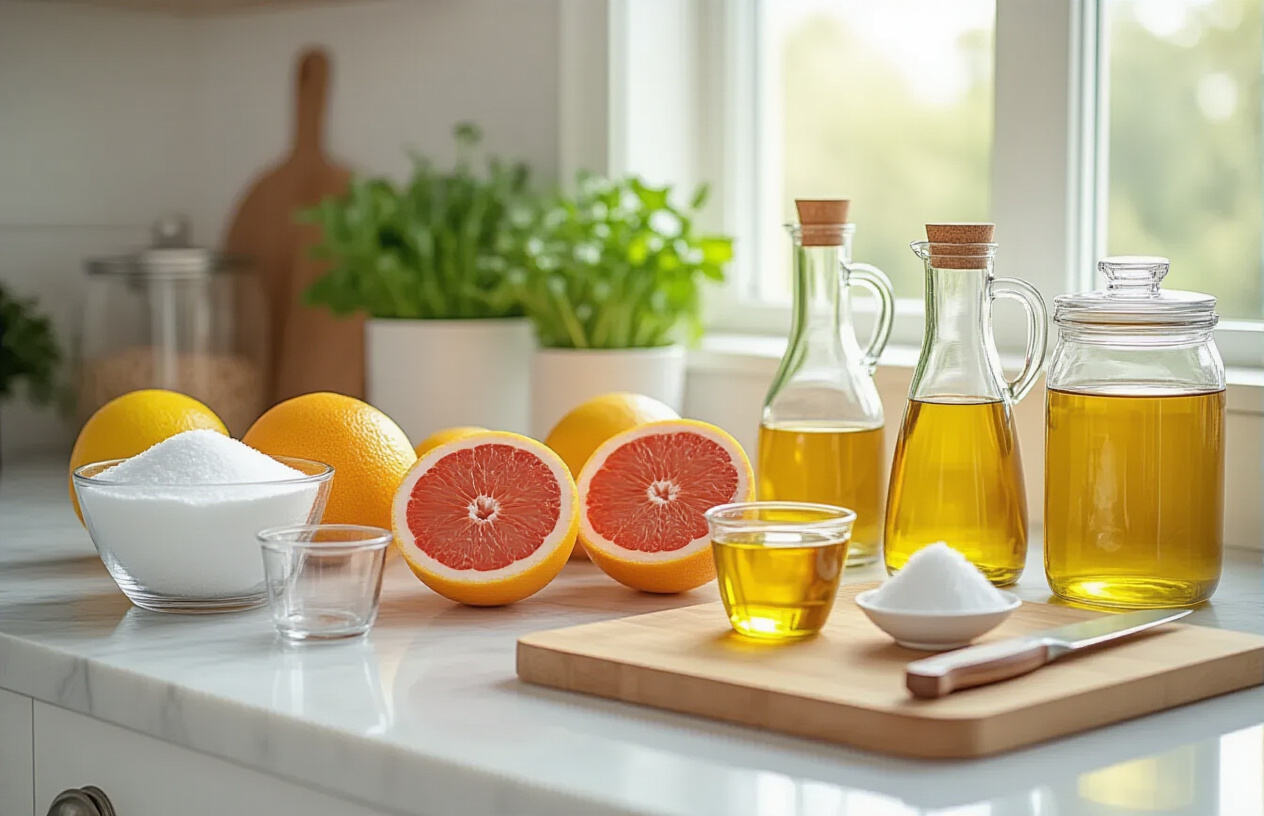
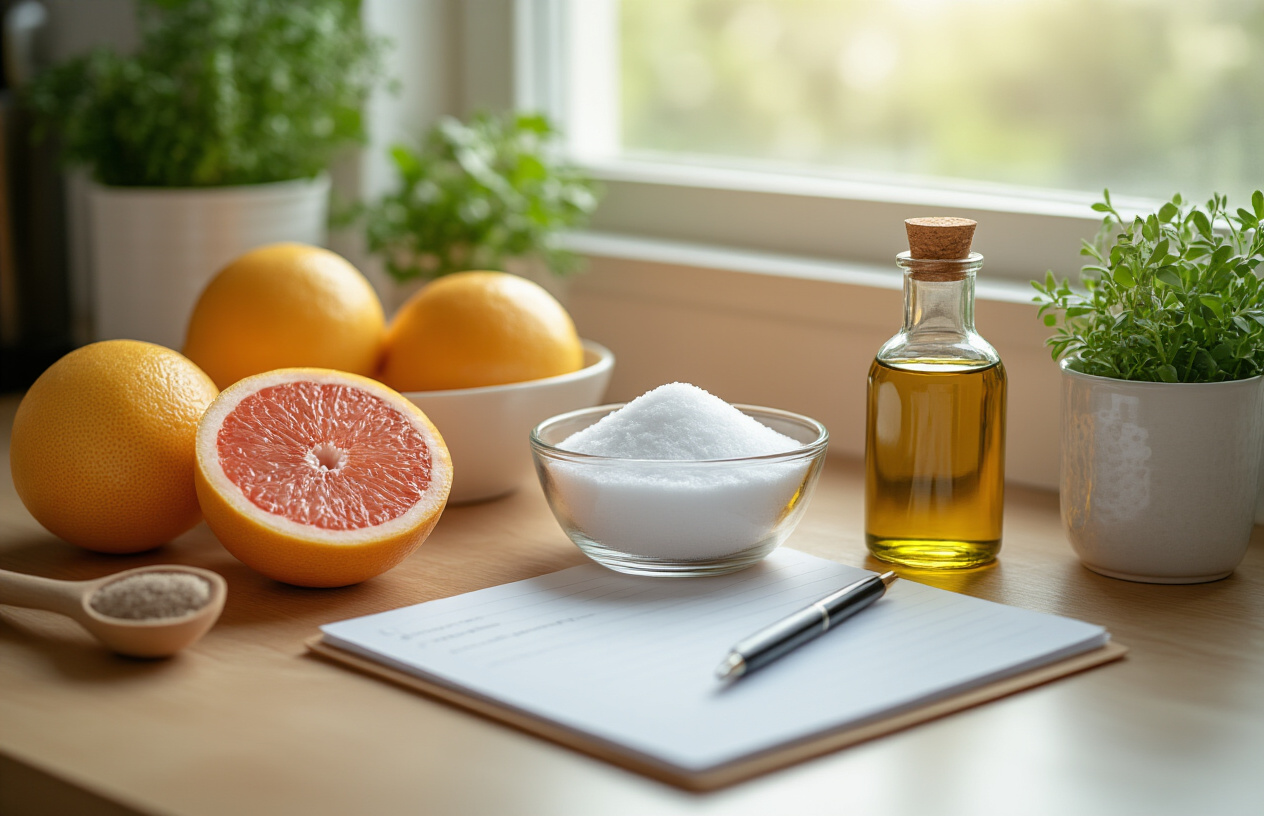
A successful home liver flush requires specific ingredients that work together to support liver function and promote bile production. The primary components include Epsom salts (magnesium sulfate), fresh grapefruit juice, and high-quality olive oil. These three ingredients form the foundation of most traditional liver flush protocols.
Epsom salts serve as the opening and closing component of the process, helping to dilate bile ducts and ease the passage of waste materials. You’ll need approximately 4 tablespoons of pharmaceutical-grade Epsom salts, which should be dissolved in water according to your chosen protocol timing.
Fresh grapefruit juice provides essential citric acid and vitamin C, creating an alkaline environment that supports the flush process. Always use freshly squeezed juice from 1-2 large grapefruits rather than store-bought alternatives, as fresh juice contains active enzymes that processed versions lack.
Extra virgin olive oil acts as a natural stimulant for gallbladder contraction, encouraging the release of stored bile and potentially dislodged materials. Choose cold-pressed, organic olive oil for the highest quality and purity. You’ll typically need 3/4 cup for the evening portion of most protocols.
Essential Equipment and Preparation Tools
Proper equipment makes your home liver flush safer and more effective. A large jar or shaker bottle with a tight-fitting lid is crucial for mixing the grapefruit juice and olive oil combination. The mixture needs thorough blending, and a secure container prevents spills during the vigorous shaking process.
Measuring cups and spoons ensure accurate ingredient proportions, which are critical for both effectiveness and safety. Digital kitchen scales can provide even more precision, especially when measuring Epsom salts.
Keep a reliable timer or smartphone nearby to track the precise timing between doses. Most protocols require specific intervals between different components, and maintaining these schedules is essential for optimal results.
Stock your bathroom with comfortable supplies, as you’ll likely experience increased bowel movements during and after the flush. Soft toilet paper, wet wipes, and a comfortable reading material can make the process more manageable.
Consider having a heating pad or hot water bottle available for abdominal comfort, as some people experience mild cramping during the gallstone detox process. A journal or notebook helps track your experience and any materials you observe passing through your system.
Conclusion
Liver flushes offer a way to support your body’s natural detox process from the comfort of your own home. By understanding the benefits and taking proper safety measures, you can make an informed decision about whether this approach is right for you. Having the right ingredients and equipment on hand makes the process much smoother and more effective.
Remember that everyone’s body responds differently to detox protocols. Start slowly, listen to your body, and don’t hesitate to consult with a healthcare professional if you have any concerns or underlying health conditions. Your liver works hard every day to keep you healthy – taking time to support it naturally can be a valuable addition to your wellness routine.
📌 Related Read:
Frequently Asked Questions (FAQ)
Is a home liver flush safe for everyone?
A home liver flush isn’t suitable for all people. You should avoid attempting a natural liver cleanse recipe if you have gallstones, bile duct obstruction, or inflammatory bowel disease. Pregnant and breastfeeding women should skip liver flushes entirely. People with diabetes need to be extra careful since the flush can affect blood sugar levels. Those taking medications should consult their healthcare provider first, as the flush might interfere with drug absorption.
If you have a history of heart problems, kidney disease, or eating disorders, discuss this approach with your doctor before starting. Children under 18 shouldn’t perform liver flushes without medical supervision.
How often can you do a liver flush?
Most practitioners recommend spacing home liver flush sessions at least two to three weeks apart. Your liver needs time to recover and process the flush effects. Doing flushes too frequently can stress your digestive system and potentially lead to electrolyte imbalances.
Some people do quarterly flushes (four times per year), while others prefer twice yearly. Listen to your body and pay attention to how you feel after each flush. If you experience prolonged fatigue, digestive issues, or other concerning symptoms, wait longer between sessions.
What should you expect during the flush process?
The typical flush process spans 24-48 hours. You’ll likely experience increased bowel movements, which is the main goal of the gallstone detox. Many people report seeing green or yellow stones in their stool, though experts debate whether these are actual gallstones or soap formations from the flush ingredients.
Common experiences include:
- Nausea during the Epsom salt phases
- Difficulty sleeping the night of the flush
- Multiple bathroom visits
- Temporary fatigue
- Mild abdominal cramping
These effects usually subside within 24-48 hours after completing the flush.
Can you eat during a liver flush?
Most liver flush protocols require fasting or eating very lightly during the active flush period. On the preparation day, stick to light, non-fat foods like fruits, vegetables, and whole grains. Avoid all fats, oils, dairy, and meat for at least 6 hours before starting the flush.
During the actual flush (usually starting in the evening), you shouldn’t eat anything solid. The morning after, gradually reintroduce light foods like fresh fruit juice, then progress to easily digestible foods throughout the day.
What are the potential side effects?
While many people complete liver flushes without serious issues, side effects can occur. Mild effects include nausea, vomiting, diarrhea, and stomach cramping. Some people experience headaches, dizziness, or temporary fatigue.
More serious but rare complications might include:
- Severe dehydration from fluid loss
- Electrolyte imbalances
- Worsening of existing digestive conditions
- Interference with medications
Stop the flush immediately if you experience severe abdominal pain, persistent vomiting, signs of dehydration, or any symptoms that concern you.
Do liver flushes actually work?
The scientific evidence supporting liver flushes remains limited. While many people report feeling better after completing a flush, controlled studies haven’t definitively proven their effectiveness for liver detoxification or gallstone removal.
Your liver naturally detoxifies your body daily through complex biochemical processes. A healthy diet, regular exercise, adequate sleep, and limiting alcohol consumption support natural liver function more reliably than periodic flushes.
The “stones” people see after flushes may actually be formations created by the flush ingredients themselves rather than expelled gallstones. However, some individuals do report improved energy and digestive comfort after completing flushes.