
Many expectant mothers wonder about pregnancy detox safety and whether prenatal cleansing advice applies to their situation. If you’re pregnant and considering a detox program, you need reliable information to make the best choice for you and your baby.
This guide is for pregnant women who want to understand whether it’s safe to detox while pregnant, along with partners and family members supporting them through pregnancy.
We’ll explore the potential health risks that detox programs pose during pregnancy and share what medical experts actually recommend about cleansing while expecting. You’ll also discover safe, natural ways to support your body’s wellness during this special time without putting your pregnancy at risk.
Table of Contents
- Understanding Detox During Pregnancy
- Potential Risks of Detoxing While Pregnant
- Medical Expert Opinions on Pregnancy Detox
- Safe Ways to Support Your Body During Pregnancy
- Foods and Practices to Avoid While Pregnant
- Creating a Pregnancy-Safe Wellness Plan
- Conclusion
- Frequently Asked Questions (FAQ)
- Can I do a juice cleanse while pregnant?
- Is it safe to take detox supplements during pregnancy?
- What about detox teas – are they okay?
- How can I naturally support my body’s detox processes while pregnant?
- Will pregnancy detox safety affect my baby?
- Can I do intermittent fasting as a form of detox while pregnant?
- What if I detoxed before I knew I was pregnant?
- Are there any detox practices that are actually beneficial during pregnancy?
Understanding Detox During Pregnancy
What detoxing means for expectant mothers
When most people think of detoxing, they picture juice cleanses, fasting, or expensive supplements promising to flush out toxins. For pregnant women, the conversation gets more complicated. Pregnancy detox safety becomes a top priority because you’re no longer just thinking about your own body.
Detoxing during pregnancy refers to any attempt to eliminate harmful substances from your system while carrying a baby. This might include cutting out processed foods, reducing environmental toxin exposure, or trying specific cleansing programs. The key difference is that everything you do affects both you and your developing baby.
Your body naturally detoxes every single day through your liver, kidneys, lungs, and skin. During pregnancy, these systems work overtime to protect your growing baby. Many expectant mothers worry about toxins they may have been exposed to before pregnancy or wonder if they should actively cleanse their system.
The reality is that your body has built-in mechanisms that work around the clock. Your liver processes toxins, your kidneys filter waste through urine, and your lungs exhale carbon dioxide. Pregnancy actually enhances some of these processes to create the safest possible environment for your baby.
Common detox methods pregnant women consider
Many expectant mothers explore different approaches to support their body’s natural cleansing processes. Green smoothies and vegetable-heavy diets top the list of popular choices. These methods focus on flooding the body with nutrients while reducing processed foods.
Juice cleanses remain tempting for many women, despite pregnancy concerns. The appeal of quick results and the promise of increased energy draw people in. Some pregnant women also consider herbal teas marketed for cleansing, thinking natural means safe.
Intermittent fasting has gained popularity in recent years, and some women wonder if they can continue these eating patterns during pregnancy. Others look into elimination diets, removing specific food groups they suspect might be causing inflammation or discomfort.
Supplement-based detox programs represent another common consideration. These products often promise to support liver function or eliminate heavy metals. The marketing can be convincing, especially when pregnancy symptoms like fatigue or nausea make women feel like they need extra support.
Prenatal cleansing advice varies widely across different sources, making it challenging for expectant mothers to know what’s truly safe and effective.
How pregnancy changes your body’s natural detox processes
Pregnancy transforms how your body handles detoxification in remarkable ways. Your blood volume increases by nearly 50%, which means your kidneys work much harder to filter waste. This increased workload actually makes your natural detox systems more efficient in many ways.
Your liver takes on extra responsibilities during pregnancy. Beyond its normal detox duties, it processes hormones like progesterone and estrogen that surge during pregnancy. The liver also works to protect your baby by breaking down potential harmful substances before they can cross the placental barrier.
Hormonal changes affect how quickly your digestive system moves food through your body. This slower transit time can actually be beneficial for nutrient absorption, but it also means your body has more time to process and eliminate toxins naturally.
Your breathing patterns change too. Deeper, more frequent breaths help eliminate carbon dioxide and other waste gases more effectively. This natural increase in respiratory detox happens automatically without any special breathing techniques.
The placenta acts like a sophisticated filter system. While not perfect, it blocks many harmful substances from reaching your baby while allowing essential nutrients to pass through. This natural barrier works alongside your body’s existing detox systems to create multiple layers of protection.
Your skin, often overlooked as a detox organ, actually becomes more active during pregnancy due to increased blood flow and hormonal changes.
Potential Risks of Detoxing While Pregnant
Nutrient Deficiencies That Harm Fetal Development
Most commercial detox programs severely restrict calories and eliminate entire food groups, creating a dangerous scenario for pregnant women. Your growing baby depends on a steady supply of essential nutrients, particularly during the first trimester when neural tube development occurs. Restrictive detoxing can lead to deficiencies in folate, iron, calcium, and protein – all critical for healthy fetal development.
Folate deficiency during early pregnancy increases the risk of neural tube defects, including spina bifida. Iron deficiency can cause anemia in both mother and baby, potentially leading to premature birth or low birth weight. Calcium shortages affect bone development, while inadequate protein intake impairs cellular growth and organ formation.
Many detox plans also eliminate grains, dairy, and other nutrient-dense foods that provide B vitamins, omega-3 fatty acids, and complex carbohydrates needed for proper brain development. The rapid weight loss often promoted by these programs can actually mobilize stored toxins in fat tissue, creating additional risks.
Toxin Release That Crosses the Placental Barrier
When the body breaks down fat stores during aggressive detoxing, it releases accumulated environmental toxins like pesticides, heavy metals, and industrial chemicals. These substances can cross the placental barrier and directly affect your developing baby. The placenta, while protective, isn’t a perfect filter against all harmful substances.
Fat-soluble toxins pose particular risks because they concentrate in developing organs and tissues. Mercury, lead, and persistent organic pollutants can interfere with neurological development, potentially causing cognitive delays or behavioral issues later in childhood. Some chemicals stored in fat tissue have been linked to birth defects and developmental disorders.
Pregnancy is not the time to mobilize these stored toxins. Your body’s natural detoxification systems are already working harder during pregnancy, and adding the stress of intentional toxin release through fat breakdown creates unnecessary exposure for your baby.
Dehydration and Electrolyte Imbalances
Pregnancy detox safety becomes particularly concerning when looking at hydration and electrolyte balance. Many detox programs promote diuretics, laxatives, or excessive fluid loss through sweating. Pregnant women already have increased fluid needs due to expanded blood volume and amniotic fluid production.
Dehydration during pregnancy can reduce blood flow to the placenta, limiting oxygen and nutrient delivery to your baby. This can lead to:
- Decreased amniotic fluid (oligohydramnios)
- Reduced fetal movement
- Increased risk of preterm labor
- Maternal dizziness and fainting
Electrolyte imbalances from detoxing can disrupt heart rhythm and muscle function in both mother and baby. Sodium, potassium, and magnesium levels become particularly important during pregnancy for maintaining proper nerve and muscle function.
Increased Stress on Already Taxed Organs
Your kidneys, liver, and cardiovascular system work overtime during pregnancy to support both you and your growing baby. Adding detox stress to these already taxed organs can push them beyond their capacity.
The liver processes 50% more blood during pregnancy while also metabolizing hormones and filtering waste products from both maternal and fetal circulation. Detox protocols often include herbs and supplements that place additional metabolic demands on this vital organ.
Your kidneys filter nearly twice the normal volume of fluid during pregnancy. Detox-induced dehydration forces them to work even harder, potentially leading to kidney dysfunction or urinary tract infections.
Blood pressure regulation becomes more complex during pregnancy, and the cardiovascular stress from rapid detoxification can trigger dangerous spikes or drops in blood pressure, affecting placental blood flow and fetal well-being.
Medical Expert Opinions on Pregnancy Detox
What obstetricians say about detox diets
Obstetricians across the board express serious concerns about pregnancy detox safety. Dr. Sarah Mitchell, a board-certified OB-GYN with over 15 years of experience, explains that traditional detox diets can deprive expecting mothers of essential nutrients when they need them most. “Pregnancy isn’t the time to restrict calories or eliminate entire food groups,” she emphasizes.
Most maternal-fetal medicine specialists warn that popular detox programs often involve severe caloric restriction, which can lead to ketosis – a metabolic state potentially harmful to developing babies. The American College of Obstetricians and Gynecologists maintains that pregnant women should focus on balanced nutrition rather than elimination diets.
Leading obstetricians also point out that many detox products contain herbs and supplements that haven’t been tested for safety during pregnancy. Dr. Jennifer Wong from the Mayo Clinic notes that even “natural” ingredients can cross the placental barrier and affect fetal development in unpredictable ways.
Research findings on maternal detox safety
Clinical research on prenatal cleansing advice reveals significant gaps in safety data. A 2022 systematic review published in the Journal of Maternal Health found insufficient evidence supporting the safety of any commercial detox programs during pregnancy.
Studies examining rapid weight loss during pregnancy consistently show increased risks of:
- Low birth weight babies
- Preterm labor
- Nutritional deficiencies in mothers
- Decreased breast milk production
- Maternal fatigue and mood changes
Research from Harvard Medical School demonstrated that pregnant women following restrictive detox protocols showed elevated stress hormone levels, which can negatively impact fetal brain development. The study tracked 200 pregnant participants over six months, finding that those maintaining balanced diets without detox restrictions had better pregnancy outcomes.
Animal studies have shown that maternal caloric restriction during pregnancy can alter fetal gene expression, potentially affecting the child’s metabolism throughout life. These findings have prompted researchers to recommend extreme caution when considering any form of detox while pregnant.
Professional guidelines for pregnant women
Medical organizations worldwide have established clear guidelines regarding pregnancy wellness practices. The World Health Organization recommends that pregnant women avoid any form of fasting or extreme dietary restriction throughout pregnancy and breastfeeding periods.
The American Dietetic Association’s position statement emphasizes that pregnancy detox safety should never be attempted without comprehensive medical supervision. Their guidelines specify:
- Daily caloric needs: Pregnant women require 300-500 additional calories per day
- Nutrient density: Focus on nutrient-rich whole foods rather than elimination
- Hydration: Increase water intake naturally without relying on detox teas
- Supplement safety: Only take prenatal vitamins approved by healthcare providers
The Royal College of Obstetricians and Gynaecologists in the UK specifically advises against juice cleanses, as they can cause dangerous blood sugar fluctuations in pregnant women. Their guidelines stress that pregnancy naturally enhances the body’s detoxification processes through increased kidney and liver function.
Professional nursing organizations also recommend that pregnant women work with registered dietitians rather than following generic detox programs designed for non-pregnant populations.
When doctors might recommend modified cleansing
While traditional detox diets are discouraged, some healthcare providers may suggest gentle, modified approaches for specific medical conditions. Doctors might consider supervised dietary modifications for pregnant women dealing with:
Gestational diabetes management: Endocrinologists may recommend structured meal plans that naturally support blood sugar regulation while ensuring adequate nutrition for both mother and baby.
Severe morning sickness recovery: After prolonged nausea and vomiting, gastroenterologists sometimes suggest gradual dietary reintroduction programs to help women regain nutritional balance.
Food sensitivity issues: Allergists may recommend temporary elimination of specific trigger foods while maintaining overall nutritional adequacy through alternative sources.
These medical interventions differ significantly from commercial detox programs because they:
- Include regular medical monitoring
- Maintain adequate caloric intake
- Focus on specific health conditions rather than general “cleansing”
- Involve multidisciplinary healthcare teams
- Prioritize fetal development needs
Even in these cases, healthcare providers emphasize that any dietary modifications must support rather than compromise maternal and fetal health. The goal shifts from detoxification to optimization of existing health conditions while maintaining pregnancy nutrition requirements.
Safe Ways to Support Your Body During Pregnancy
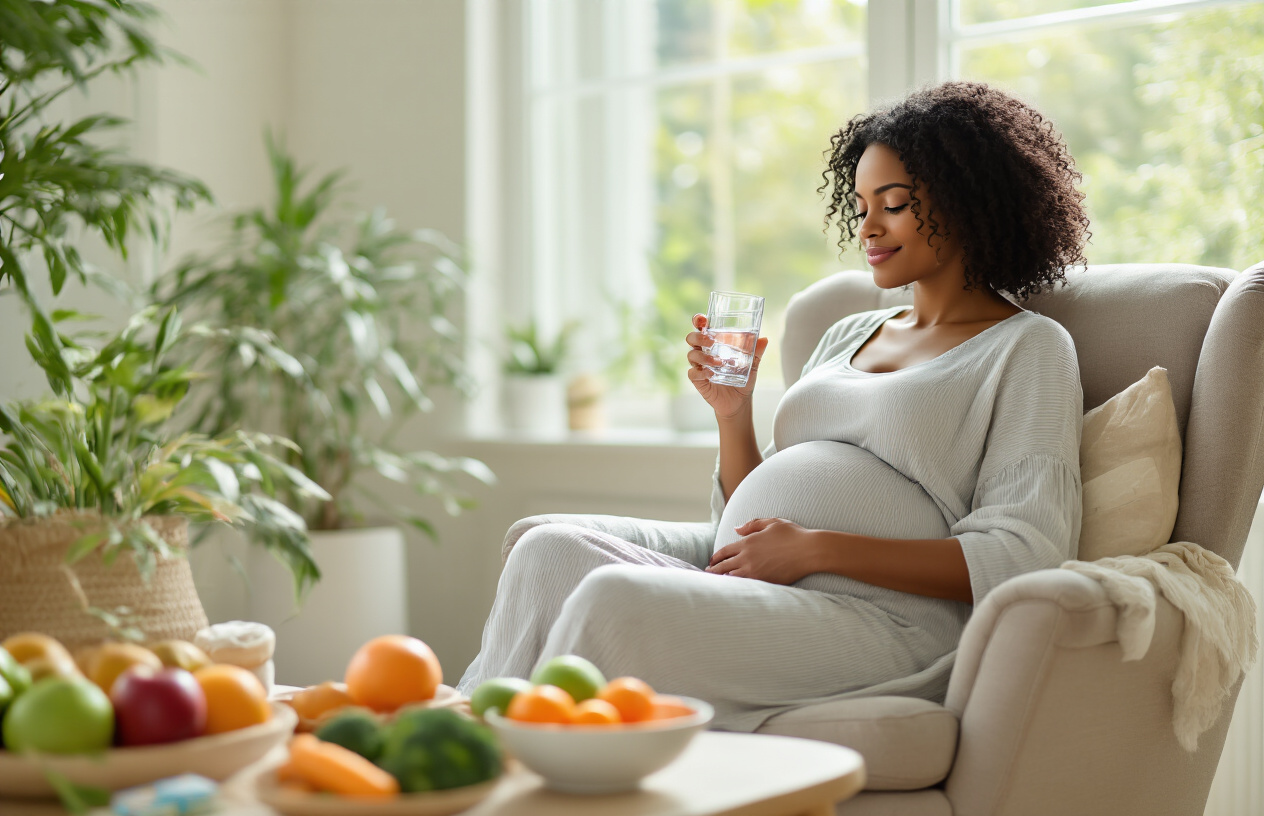
Natural detox support through proper nutrition
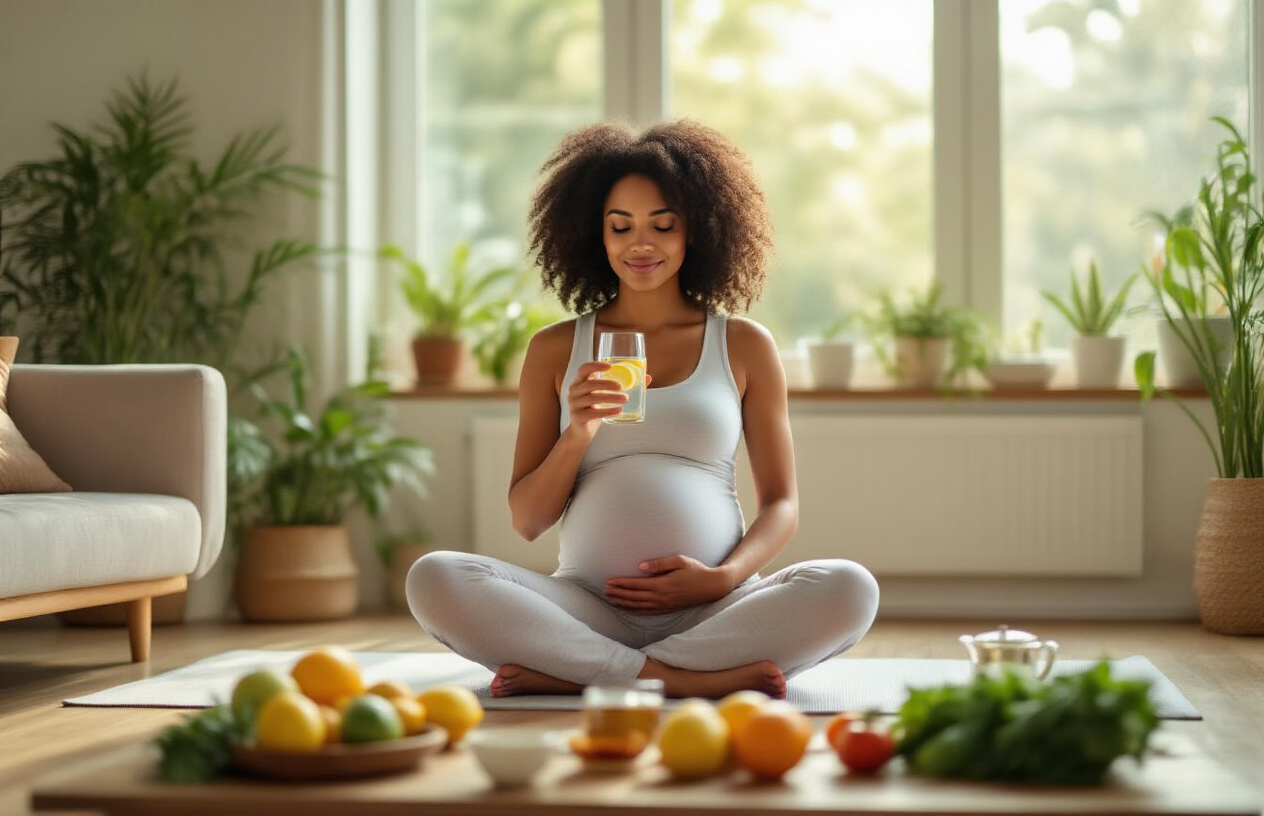
Your body has an amazing ability to cleanse itself naturally, especially when you fuel it with the right foods. During pregnancy, focusing on nutrient-dense whole foods gives your liver and kidneys everything they need to do their job effectively. Think colorful vegetables, lean proteins, whole grains, and healthy fats that work together to support your body’s natural detox processes.
Leafy greens like spinach and kale contain folate and antioxidants that help your liver process toxins more efficiently. Citrus fruits provide vitamin C, which boosts your immune system while supporting cellular repair. Cruciferous vegetables such as broccoli and cauliflower contain compounds that enhance your body’s natural detox pathways without any harsh interventions.
Adding fiber-rich foods helps move waste through your digestive system naturally. Beans, lentils, and whole grains keep things moving while providing essential nutrients for both you and your baby. Fresh herbs like cilantro and parsley can gently support your body’s cleansing processes while adding flavor to your meals.
Skip processed foods, excess sugar, and artificial additives whenever possible. These put extra strain on your system when it’s already working hard to support your growing baby. Instead, choose organic produce when available to reduce exposure to pesticides and chemicals.
Gentle movement and exercise benefits
Movement during pregnancy offers incredible benefits for your body’s natural cleansing processes. Regular, gentle exercise improves circulation, helping your lymphatic system move toxins out of your tissues more effectively. You don’t need intense workouts – simple activities can make a huge difference.
Walking remains one of the best exercises throughout pregnancy. It gets your blood flowing, supports digestion, and helps reduce swelling in your legs and feet. Even a 20-minute daily walk can enhance your body’s natural detox functions while keeping you energized.
Prenatal yoga combines gentle movement with deep breathing, which supports both physical and mental wellness. The twisting poses help massage your internal organs, while breathing exercises increase oxygen flow to your cells. Swimming provides a full-body workout that’s easy on your joints while promoting circulation throughout your entire system.
Light stretching before bed can improve sleep quality and reduce muscle tension. When your muscles are relaxed, your circulatory system works more efficiently to transport nutrients and remove waste products.
Always check with your healthcare provider before starting any exercise routine. They can recommend the best activities based on your specific pregnancy needs and any potential concerns.
Adequate hydration for optimal health
Water plays a crucial role in your body’s natural detox processes, and this becomes even more important during pregnancy. Your blood volume increases by about 50% while pregnant, making proper hydration essential for optimal circulation and waste elimination.
Aim for 8-10 glasses of water daily, but listen to your body’s signals. Clear or light yellow urine indicates good hydration, while dark yellow suggests you need more fluids. Keep a water bottle nearby and sip throughout the day rather than trying to drink large amounts at once.
Adding natural flavor enhancers can make hydration more enjoyable. Lemon slices provide vitamin C while supporting liver function. Fresh mint leaves aid digestion, and cucumber adds electrolytes naturally. Herbal teas like ginger or chamomile count toward your fluid intake while offering additional health benefits.
Quality matters as much as quantity. Filtered water removes chlorine and other chemicals that can burden your system. If you’re concerned about your tap water quality, consider a good filtration system or bottled water from reputable sources.
Avoid excessive caffeine and sugary drinks, which can actually contribute to dehydration. These beverages may temporarily quench your thirst but don’t provide the pure hydration your body needs for optimal function.
Quality sleep for natural body restoration
Sleep gives your body time to repair, restore, and naturally detox at the cellular level. During deep sleep, your brain’s lymphatic system becomes more active, clearing out metabolic waste that builds up during the day. This process becomes especially important during pregnancy when your body is working overtime.
Most pregnant women need 8-9 hours of sleep per night, though this can be challenging as your belly grows and hormones fluctuate. Creating a consistent bedtime routine helps signal to your body that it’s time to wind down. Try dimming lights an hour before bed, taking a warm bath, or reading something relaxing.
Your sleep position affects how well your body can perform these restoration processes. Sleeping on your left side improves blood flow to your kidneys and helps reduce swelling. A pregnancy pillow can provide the support you need to stay comfortable throughout the night.
Keep your bedroom cool, dark, and quiet to promote deeper sleep. Consider blackout curtains or a white noise machine if outside sounds disturb your rest. Remove electronic devices at least an hour before bedtime, as blue light can interfere with your natural sleep hormones.
If heartburn or frequent bathroom trips disrupt your sleep, talk with your healthcare provider about safe solutions. Good sleep hygiene during pregnancy supports both your physical health and your body’s natural ability to cleanse and restore itself.
Foods and Practices to Avoid While Pregnant
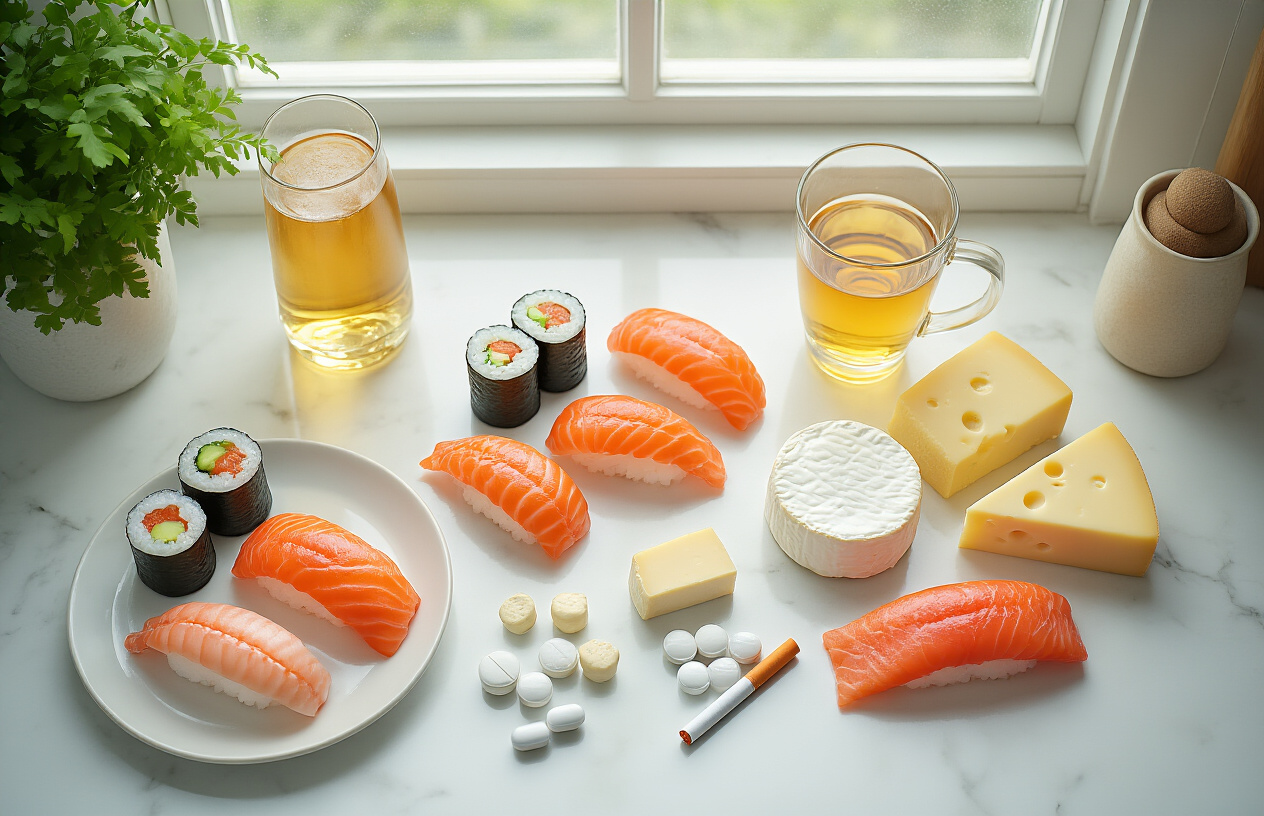
Dangerous detox supplements and herbs
Many popular detox supplements contain ingredients that can seriously harm both mother and baby during pregnancy. Senna, cascara sagrada, and other stimulant laxatives can trigger uterine contractions and potentially cause miscarriage. Weight loss supplements often contain caffeine levels far exceeding safe pregnancy limits, along with unlisted ingredients that haven’t been tested for pregnancy safety.
Herbal supplements marketed as “natural detox” solutions pose significant risks. Goldenseal contains berberine, which can cross the placenta and affect fetal development. Dong quai and black cohosh are known uterine stimulants that can induce early labor. Even seemingly harmless herbs like pennyroyal are toxic during pregnancy and can cause severe liver damage.
The supplement industry lacks strict regulation, meaning many products contain unlisted ingredients or contaminated substances. Heavy metals, prescription drug compounds, and synthetic additives frequently appear in “all-natural” detox products. During pregnancy, your liver and kidneys already work harder to process toxins – adding questionable supplements only increases this burden.
Extreme fasting and calorie restriction risks
Severe calorie restriction during pregnancy can deprive your developing baby of essential nutrients needed for proper brain and organ development. When you drastically cut calories, your body enters survival mode, breaking down muscle tissue and fat stores to maintain basic functions. This process releases stored toxins directly into your bloodstream, potentially exposing your baby to harmful substances.
Extended fasting periods can trigger dangerous ketosis, where your body burns fat for energy instead of glucose. While ketosis might seem like effective detox while pregnant, it actually produces ketone bodies that cross the placental barrier. High ketone levels in fetal blood can impair brain development and increase the risk of developmental delays.
Intermittent fasting and juice cleanses drastically reduce protein intake when your baby needs amino acids most. First trimester fasting can interfere with neural tube development, while third trimester restriction can affect birth weight and lung maturation. Your blood sugar also becomes unstable during fasting, which can trigger nausea, dizziness, and fainting episodes that pose safety risks.
Potentially harmful cleansing teas and drinks
Commercial detox teas often contain diuretic herbs like dandelion root, juniper berries, and uva ursi that can lead to dangerous dehydration during pregnancy. These ingredients force your kidneys to eliminate excess water and electrolytes, disrupting the delicate fluid balance needed to support increased blood volume and amniotic fluid production.
Cleansing teas frequently include stimulant herbs such as yerba mate, guarana, and green tea extract in concentrated doses. These provide much higher caffeine levels than regular tea or coffee, potentially causing heart palpitations, anxiety, and sleep disruption. Excessive caffeine intake during pregnancy increases miscarriage risk and can restrict fetal growth.
Many detox drinks contain artificial sweeteners, synthetic vitamins, and chemical preservatives that your body must process through the liver. Popular cleansing beverages often include ingredients like milk thistle, burdock root, and red clover that can interfere with hormone production during pregnancy. Apple cider vinegar cleanses, while trendy, can erode tooth enamel and worsen pregnancy-related acid reflux.
Some detox teas contain unlabeled laxative compounds that cause cramping and diarrhea, leading to nutrient malabsorption when your baby needs maximum nutrition. Always check ingredient lists carefully, as pregnancy detox safety requires avoiding any product with questionable or unlisted components.
Creating a Pregnancy-Safe Wellness Plan
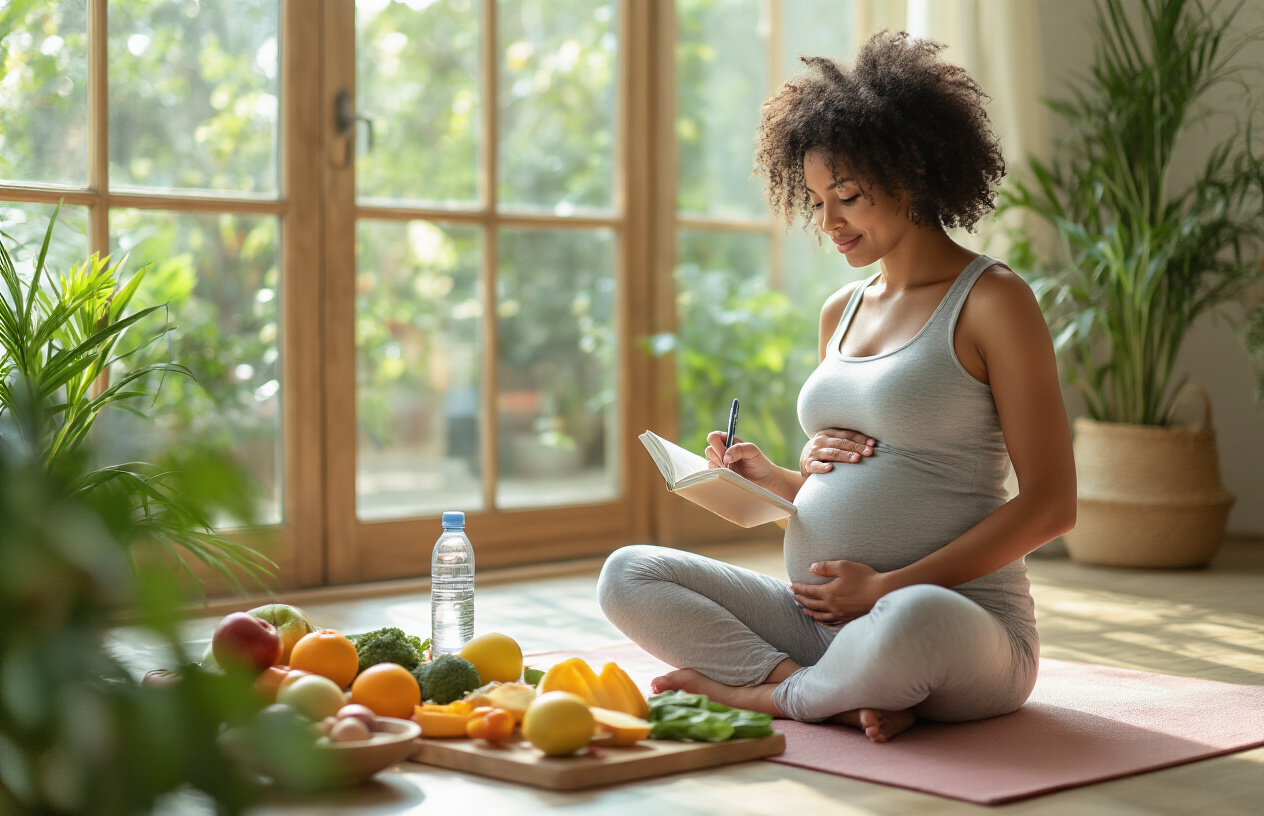
Building a nutrient-rich eating schedule
Creating a balanced eating schedule during pregnancy doesn’t require extreme measures or complicated detox protocols. Your body naturally detoxifies itself, and the best support comes from consistent, wholesome nutrition spread throughout the day.
Start with three balanced meals and two to three healthy snacks. Your morning should include protein, complex carbohydrates, and healthy fats – think Greek yogurt with berries and nuts, or whole grain toast with avocado and eggs. Mid-morning snacks might include apple slices with almond butter or a handful of mixed nuts.
Lunch and dinner should feature lean proteins, plenty of vegetables, whole grains, and healthy fats. Include dark leafy greens, colorful vegetables, lean meats, fish, legumes, and whole grains like quinoa or brown rice. These foods naturally support your liver’s detoxification processes without requiring special cleanses.
Hydration plays a crucial role in supporting your body’s natural cleansing functions. Aim for 8-10 glasses of water daily, and consider adding lemon slices or cucumber for variety. Herbal teas like ginger or chamomile can provide additional hydration while offering digestive benefits.
Plan your meals ahead to avoid impulsive food choices. Batch cooking on weekends can help maintain consistent nutrition throughout busy weekdays. Keep healthy snacks readily available – cut vegetables, fruits, nuts, and yogurt make excellent options that support both maternal health and fetal development.
Incorporating gentle daily movement
Physical activity during pregnancy supports circulation, mood, and overall wellness without requiring intense workout regimens. Gentle movement helps your lymphatic system naturally eliminate toxins while preparing your body for labor and delivery.
Walking remains one of the safest and most effective forms of exercise during pregnancy. Start with 15-20 minute walks and gradually increase to 30 minutes daily. Choose comfortable walking routes in your neighborhood, local parks, or even indoor malls during inclement weather.
Prenatal yoga classes offer structured movement designed specifically for pregnant women. These classes focus on stretching, breathing, and gentle strengthening exercises that support your changing body. Many poses help alleviate common pregnancy discomforts like back pain and swelling.
Swimming provides excellent low-impact exercise that supports your joints while offering cardiovascular benefits. The water’s buoyancy reduces pressure on your spine and pelvis, making movement feel easier and more comfortable as your pregnancy progresses.
| Exercise Type | Duration | Frequency | Benefits |
|---|---|---|---|
| Walking | 20-30 minutes | Daily | Cardiovascular health, mood boost |
| Prenatal Yoga | 45-60 minutes | 2-3 times/week | Flexibility, stress relief |
| Swimming | 30-45 minutes | 2-3 times/week | Full-body, joint-friendly |
| Stretching | 10-15 minutes | Daily | Prevents stiffness, improves circulation |
Listen to your body’s signals and modify activities as needed. Avoid exercises that involve lying flat on your back after the first trimester, contact sports, or activities with fall risks.
Managing stress through safe techniques
Chronic stress can impact both maternal and fetal health, making stress management an essential component of any pregnancy wellness plan. Safe stress reduction techniques support your body’s natural balance without requiring potentially harmful detox methods.
Deep breathing exercises can be practiced anywhere and provide immediate stress relief. Try the 4-7-8 technique: inhale for 4 counts, hold for 7, and exhale for 8. This simple practice activates your parasympathetic nervous system, promoting relaxation and reducing cortisol levels.
Meditation doesn’t require special equipment or extensive training. Start with just 5-10 minutes daily using guided meditation apps designed for pregnancy. These sessions often include visualizations for bonding with your baby and preparing for labor.
Prenatal massage from certified therapists can relieve physical tension while promoting emotional well-being. Regular massage sessions help improve circulation, reduce swelling, and provide dedicated relaxation time away from daily stressors.
Creating boundaries around work and social obligations becomes increasingly important during pregnancy. Learn to say no to unnecessary commitments and prioritize activities that bring you joy and peace. Consider delegating household tasks or asking for help when needed.
Sleep quality directly affects stress levels and overall health. Establish a calming bedtime routine that includes dimming lights, avoiding screens, and engaging in relaxing activities like reading or gentle stretching. Pregnancy pillows can improve comfort and sleep quality as your body changes.
Working with healthcare providers for personalized guidance
Your healthcare team serves as your primary resource for creating a safe, effective wellness plan tailored to your specific needs and pregnancy circumstances. Regular communication ensures your wellness choices align with your health status and pregnancy progression.
Schedule regular prenatal appointments and come prepared with questions about diet, exercise, and lifestyle choices. Your provider can assess your individual risk factors and recommend appropriate modifications to general wellness guidelines. They can also monitor how your body responds to different lifestyle changes.
Be transparent about any supplements, herbal teas, or wellness practices you’re considering. Even natural products can interact with pregnancy or cause unexpected effects. Your healthcare provider can help distinguish between safe options and those that might pose risks during pregnancy.
Many healthcare practices offer additional resources like registered dietitians, certified prenatal fitness instructors, or mental health counselors. These specialists can provide detailed guidance specific to their areas of expertise while coordinating with your primary prenatal care.
Keep a wellness journal to track how different foods, activities, and practices affect your energy levels, mood, and pregnancy symptoms. Share these observations with your healthcare team to help them provide more targeted recommendations and identify patterns that support your well-being.
If you’re considering any prenatal cleansing advice or have questions about pregnancy detox safety, discuss these topics openly with your provider. They can explain why certain detox methods aren’t recommended while pregnant and suggest safer alternatives that support your health goals without compromising your baby’s development.
Conclusion
Pregnancy brings many questions about what’s safe for you and your growing baby, and detoxing is definitely one of those gray areas that deserves careful consideration. The reality is that traditional detox methods can pose serious risks during pregnancy, from nutrient deficiencies to dangerous complications. Medical experts consistently recommend against formal detox programs while you’re expecting, since your body is already working overtime to support your baby’s development.
The good news is that you can still support your body’s natural processes in safe, pregnancy-friendly ways. Focus on eating nutrient-rich whole foods, staying hydrated, getting gentle exercise like walking or prenatal yoga, and ensuring you get enough rest. Skip the restrictive cleanses and instead work with your healthcare provider to create a wellness plan that keeps both you and your baby healthy. Remember, your body is incredibly capable of handling its natural detox processes on its own – especially when you give it the right fuel and care.
📌 Related Read:
Frequently Asked Questions (FAQ)

Can I do a juice cleanse while pregnant?
Juice cleanses are not recommended during pregnancy. Your body needs a full spectrum of nutrients, including protein, healthy fats, and fiber that juice cleanses don’t provide. The rapid changes in blood sugar from juice-only diets can also affect your energy levels and potentially impact your baby’s nutrition. Instead, focus on eating whole fruits and vegetables alongside balanced meals.
Is it safe to take detox supplements during pregnancy?
Most detox supplements should be avoided during pregnancy. Many contain herbs, laxatives, or other ingredients that haven’t been tested for safety in pregnant women. Some detox supplements can stimulate uterine contractions or interfere with nutrient absorption. Always check with your healthcare provider before taking any supplements, even those labeled as “natural” or “pregnancy-safe.”
What about detox teas – are they okay?
Many detox teas contain ingredients like senna, cascara, or other laxative herbs that can cause dehydration and electrolyte imbalances. Some herbal ingredients may also trigger contractions or affect hormone levels. Stick to pregnancy-approved teas like ginger tea for nausea or chamomile for relaxation, but always run any herbal products by your doctor first.
How can I naturally support my body’s detox processes while pregnant?
Your liver and kidneys naturally detox your body every day. You can support these processes by drinking plenty of water, eating fiber-rich foods like fruits and vegetables, getting adequate sleep, and staying active with gentle exercise. Focus on reducing your exposure to toxins rather than trying to eliminate them through extreme measures.
Will pregnancy detox safety affect my baby?
Extreme detoxing can potentially harm your baby by depriving them of essential nutrients or causing rapid release of stored toxins from your fat cells. Your baby depends on steady, consistent nutrition. Any prenatal cleansing advice should come from your healthcare provider who understands your specific health needs and pregnancy status.
Can I do intermittent fasting as a form of detox while pregnant?
Intermittent fasting isn’t recommended during pregnancy. Your growing baby needs consistent nutrition throughout the day, and extended periods without food can affect blood sugar levels and nutrient delivery. Pregnancy requires about 300-500 additional calories daily, making regular meals and snacks important for both you and your baby’s health.
What if I detoxed before I knew I was pregnant?
Don’t panic if you did a detox program before discovering your pregnancy. The most important thing is to stop any extreme detox practices now and focus on proper prenatal nutrition going forward. Contact your healthcare provider to discuss what you did and get personalized guidance for your situation.
Are there any detox practices that are actually beneficial during pregnancy?
The best “detox” during pregnancy involves supporting your body’s natural processes: staying hydrated, eating nutrient-dense foods, getting enough sleep, managing stress, and avoiding harmful substances like alcohol and tobacco. Think of it as nourishing your body rather than depriving it.