

If you’re dealing with constant migraines and pain medications aren’t giving you the relief you need, natural detox methods might be the missing piece of your healing puzzle. This guide is designed for migraine sufferers who want to explore the connection between toxins and their headaches, and who are ready to try gentle, natural approaches to find lasting relief.
You’ll discover how everyday toxins in your environment and diet could be triggering your migraines more often than you realize. We’ll walk you through proven detox methods that specifically target migraine detox relief, including simple dietary changes that eliminate common headache triggers from your daily routine. You’ll also learn about natural headache remedies through targeted supplements and lifestyle shifts that support your body’s natural healing process.
By understanding the toxin migraine link and implementing these straightforward strategies, you can start reducing both the frequency and intensity of your migraines without relying solely on medications.
Table of Contents
- Understanding the Migraine-Toxin Connection
- Essential Detox Methods for Migraine Relief
- Dietary Changes That Eliminate Migraine Triggers
- Natural Supplements That Support Migraine Recovery
- Lifestyle Practices That Accelerate Natural Healing
- Conclusion
- Frequently Asked Questions (FAQ)
- How long does it take to see results from migraine detox relief?
- Are there any side effects from natural headache remedies?
- Can I continue my regular medications while detoxing?
- What’s the strongest evidence for the toxin migraine link?
- How do I know if toxins are causing my migraines?
- Is detoxing safe during pregnancy or breastfeeding?
- How often should I do a migraine detox?
Understanding the Migraine-Toxin Connection
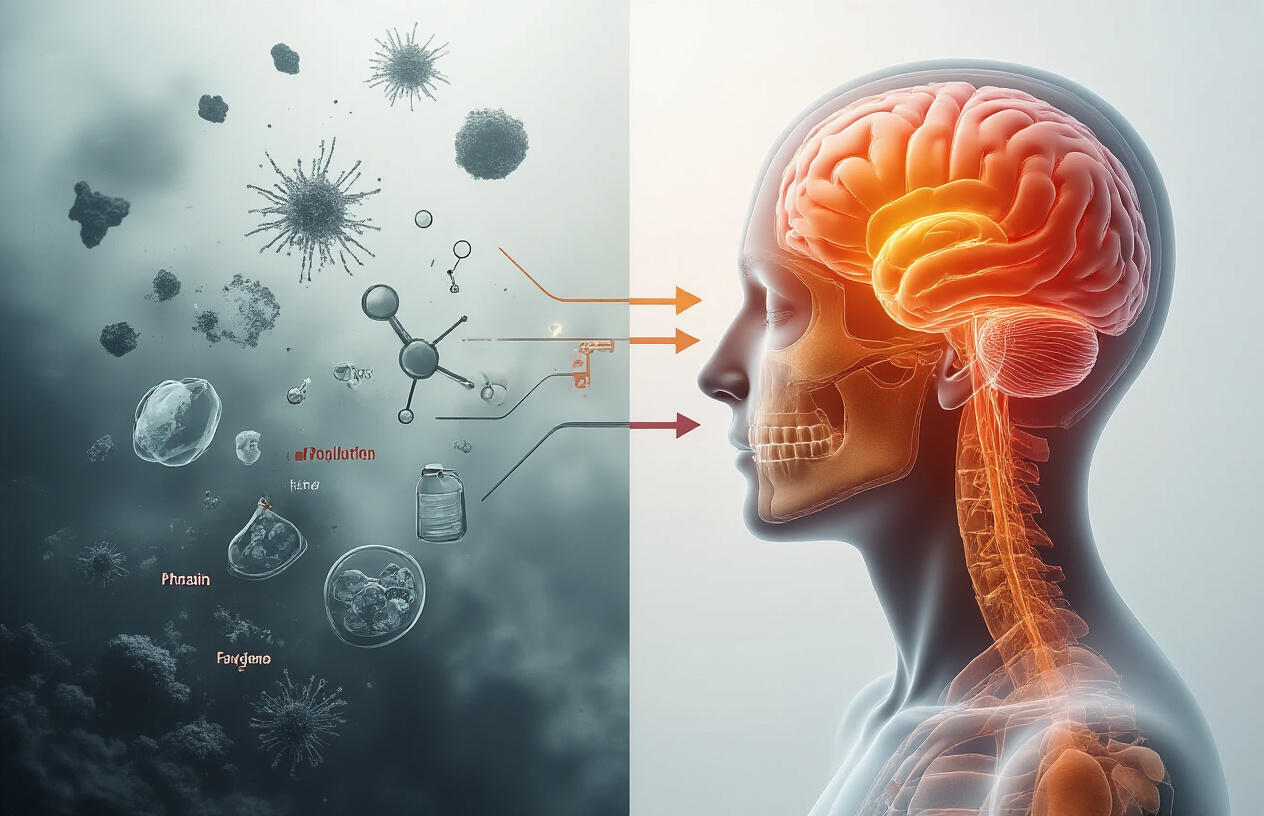
How Environmental Toxins Trigger Migraine Episodes
Your daily environment exposes you to countless chemicals that your body wasn’t designed to handle. From the moment you wake up, you encounter toxins in your toothpaste, shower products, cleaning supplies, and even the air you breathe. These substances accumulate in your system, creating a toxic burden that your liver and kidneys struggle to process effectively.
When your detoxification pathways become overwhelmed, these accumulated toxins begin affecting your nervous system. Heavy metals like mercury and lead can disrupt neurotransmitter function, while volatile organic compounds (VOCs) from furniture, carpets, and paint create oxidative stress in your brain tissue. This cellular damage triggers the inflammatory cascade that leads to migraine episodes.
Your body’s natural detox relief mechanisms become compromised when toxin exposure exceeds your elimination capacity. Pesticides from non-organic produce, exhaust fumes during your commute, and synthetic fragrances in personal care products all contribute to this overload. The migraine detox relief you seek begins with recognizing these environmental triggers.
The Role of Processed Foods in Migraine Development
Processed foods contain a cocktail of artificial additives that serve as powerful migraine triggers. When you consume foods with MSG, artificial sweeteners like aspartame, or preservatives such as nitrates, you’re introducing neurotoxic compounds directly into your bloodstream. These chemicals cross your blood-brain barrier and interfere with normal brain function.
Your digestive system becomes compromised when you regularly eat processed foods high in refined sugars, trans fats, and synthetic ingredients. This creates intestinal permeability, allowing toxins to enter your circulation more easily. The resulting inflammation affects your entire nervous system, making you more susceptible to migraine attacks.
Food dyes, particularly Red 40 and Yellow 5, have been linked to increased migraine frequency in sensitive individuals. These petroleum-derived colorings accumulate in your tissues over time, creating oxidative stress that triggers pain pathways. The artificial preservatives in packaged foods also disrupt your natural gut bacteria, which plays a crucial role in producing neurotransmitters that regulate pain perception.
Chemical Overload Symptoms That Mimic Migraine Pain
Your body sends clear warning signals when chemical overload reaches dangerous levels. You might experience brain fog, fatigue, and mood swings that often accompany migraine episodes. These symptoms occur because the same toxins affecting your pain pathways also impact cognitive function and emotional regulation.
Chemical sensitivity develops gradually as your detoxification systems become overwhelmed. You may notice that certain scents, cleaning products, or foods that never bothered you before now trigger headache symptoms. This increased sensitivity indicates that your toxic load has exceeded your body’s processing capacity.
The symptoms you experience during chemical overload often mirror classic migraine patterns:
- Throbbing head pain that worsens with movement
- Sensitivity to light and sound
- Nausea and digestive upset
- Difficulty concentrating
- Mood changes and irritability
These overlapping symptoms explain why many people struggle to identify the true source of their pain. Your nervous system responds similarly to toxic overload and traditional migraine triggers, making it essential to address both environmental factors and dietary choices for effective natural headache remedies.
Why Conventional Treatments Often Fail to Address Root Causes
Traditional migraine medications focus on managing symptoms rather than eliminating underlying causes. When you take pain relievers or preventive medications, you’re essentially masking the problem while the toxic burden continues to accumulate in your system. This approach may provide temporary relief but doesn’t address the toxin migraine link that’s driving your symptoms.
Your doctor typically prescribes medications that work by altering brain chemistry or blood vessel function. While these treatments can reduce pain intensity, they often come with side effects that add to your body’s toxic load. Many migraine medications stress your liver, the primary organ responsible for detoxification, creating a cycle where treatment actually worsens the underlying problem.
Conventional medicine rarely considers environmental toxins or dietary factors as primary migraine triggers. Standard diagnostic procedures don’t test for heavy metal accumulation, chemical sensitivities, or gut dysfunction that contribute to migraine development. This narrow focus means you might spend years trying different medications without addressing the root causes of your pain.
The one-size-fits-all approach to migraine treatment ignores your unique toxic exposure history and individual detoxification capacity. What triggers migraines in your body may be completely different from another person’s triggers, yet conventional treatments rarely account for these individual differences in toxin sensitivity and elimination ability.
Essential Detox Methods for Migraine Relief

Liver Cleansing Protocols for Optimal Toxin Elimination
Your liver works overtime processing environmental toxins, medications, and food additives that can trigger migraines. When your liver becomes overwhelmed, these toxins circulate back into your bloodstream and can reach your brain, potentially sparking those debilitating headaches.
Start with a gentle milk thistle supplement (150-300mg daily) to support your liver’s natural detoxification pathways. This powerful herb contains silymarin, which helps regenerate liver cells and protect them from damage. You can also incorporate dandelion root tea into your daily routine – drink 1-2 cups between meals to stimulate bile production and enhance toxin elimination.
Consider a targeted liver cleanse every 3-4 months. Begin with a 7-day protocol that includes drinking fresh lemon water upon waking, eating sulfur-rich foods like broccoli and garlic, and avoiding processed foods completely. Add cruciferous vegetables to every meal – they contain compounds that boost your liver’s ability to neutralize harmful substances.
Your evening routine should include castor oil packs applied to your right upper abdomen 2-3 times weekly. This simple practice increases circulation to your liver and supports the natural detox process while you sleep.
Lymphatic Drainage Techniques to Reduce Inflammation
Your lymphatic system acts as your body’s waste removal network, and when it’s sluggish, inflammatory compounds can accumulate and trigger migraine episodes. Unlike your circulatory system, your lymphatic system doesn’t have a pump, so it relies on movement and manual stimulation to function properly.
Dry brushing becomes your daily ally in migraine detox relief. Using a natural bristle brush, stroke your skin in long sweeps toward your heart before showering. Start at your feet and work upward, spending extra time on areas where lymph nodes cluster – behind your knees, in your groin, under your arms, and along your neck.
Rebounding on a mini-trampoline for just 10-15 minutes daily creates the perfect rhythmic compression and decompression that your lymphatic system craves. If you don’t have a rebounder, gentle jumping jacks or even bouncing on your toes while watching TV can help move lymphatic fluid.
Manual lymphatic massage around your neck and jaw area specifically targets the regions where migraine-related tension builds up. Use gentle, circular motions with light pressure, working from your ears down to your collarbone. You can do this yourself or visit a certified lymphatic drainage therapist monthly for deeper work.
Hot and cold shower therapy also stimulates lymphatic flow. End your shower with 30 seconds of cold water, which causes your lymphatic vessels to contract and push out stagnant fluid.
Colon Cleansing Strategies for Improved Nutrient Absorption
Your colon health directly impacts your migraine frequency because poor elimination allows toxins to recirculate through your body. When waste sits too long in your intestines, harmful bacteria proliferate and create inflammatory compounds that can cross your blood-brain barrier.
Fiber becomes your foundation for natural colon cleansing. Aim for 35-40 grams daily through whole foods like chia seeds, flax seeds, and psyllium husk. These soluble fibers bind to toxins and escort them out of your body while feeding beneficial bacteria in your gut.
Hydration plays a critical role in colon health – drink half your body weight in ounces of pure water daily. Add a pinch of sea salt and fresh lemon juice to your morning water to enhance absorption and stimulate peristalsis (the wave-like contractions that move waste through your intestines).
Probiotics restore the balance of good bacteria in your colon, which supports both detoxification and nutrient absorption. Choose a high-quality supplement with at least 10 billion CFUs, or include fermented foods like sauerkraut, kimchi, and kefir in your daily diet.
Consider periodic colon hydrotherapy sessions with a certified practitioner, especially if you’ve dealt with chronic constipation. This gentle water irrigation helps remove impacted waste and allows your colon to reset its natural elimination rhythm.
Heavy Metal Detoxification for Neurological Health
Heavy metals like mercury, lead, and aluminum accumulate in your brain tissue over time and can disrupt neurotransmitter function, potentially triggering migraines. These metals often come from dental fillings, contaminated fish, cookware, and environmental pollution.
Cilantro and chlorella work as natural chelators, binding to heavy metals and helping remove them from your system. Add fresh cilantro to your meals daily and take 3-5 grams of chlorella powder or tablets with breakfast. Start slowly with chlorella, as it can cause temporary detox symptoms if you progress too quickly.
Zeolite clay provides another powerful tool for heavy metal removal. This volcanic mineral acts like a molecular sponge, trapping toxins and metals for elimination. Take 1-2 teaspoons of food-grade zeolite powder mixed in water on an empty stomach, at least 2 hours away from medications or supplements.
Sweating through saunas or vigorous exercise helps eliminate metals through your skin – your body’s largest organ of elimination. Infrared saunas are particularly effective because they penetrate deeper into your tissues where metals tend to accumulate.
Support your natural detox pathways during heavy metal cleansing by taking extra vitamin C (2-3 grams daily), selenium (200mcg), and glutathione precursors like N-acetylcysteine. These nutrients protect your cells during the detox process and help regenerate your body’s master antioxidant systems.
Dietary Changes That Eliminate Migraine Triggers

Identifying and Removing Inflammatory Food Culprits
Your body sends clear signals when certain foods trigger your migraines, but you might be overlooking these connections in your daily routine. Common inflammatory culprits include processed foods loaded with preservatives like MSG, nitrates, and artificial sweeteners. These chemicals create oxidative stress in your brain, disrupting normal cellular function and triggering that familiar throbbing pain.
Start by keeping a detailed food diary for two weeks, noting everything you eat alongside your migraine patterns. You’ll likely discover that aged cheeses, cured meats, chocolate, and alcohol appear repeatedly before your worst episodes. These foods contain tyramine and histamine, compounds that directly affect blood vessel dilation in your brain.
Gluten and dairy deserve special attention in your migraine detox relief journey. Many people experience significant improvement when they eliminate these inflammatory proteins, even without diagnosed sensitivities. Your gut health directly impacts brain inflammation, and removing these common irritants can reduce the overall toxic load on your system.
Sugar and refined carbohydrates create blood sugar spikes that stress your adrenal glands and trigger inflammatory cascades. Replace these with whole foods that stabilize your energy levels naturally. The key is making these changes gradually – sudden dietary shifts can temporarily worsen symptoms as your body adjusts to the detoxification process.
Anti-Inflammatory Meal Planning for Brain Health
Your meal timing and food combinations play crucial roles in preventing migraine episodes. Plan your meals around nutrient-dense, whole foods that actively fight inflammation rather than simply avoiding trigger foods. Focus on incorporating omega-3 rich fish like wild salmon, sardines, and mackerel at least three times per week. These healthy fats directly reduce brain inflammation and support cellular repair mechanisms.
Build each meal around colorful vegetables, especially dark leafy greens, cruciferous vegetables, and deeply pigmented produce. These foods contain powerful antioxidants that neutralize free radicals and support your body’s natural detoxification pathways. Broccoli, kale, and Brussels sprouts specifically contain compounds that enhance liver function, helping your body process and eliminate migraine-triggering toxins more effectively.
Your protein choices matter significantly for stable blood sugar and neurotransmitter production. Include clean sources like grass-fed beef, free-range poultry, and plant-based options like hemp seeds and quinoa. These proteins provide essential amino acids that your brain needs to produce serotonin and other mood-regulating chemicals.
| Meal | Anti-Inflammatory Options | Avoid |
|---|---|---|
| Breakfast | Steel-cut oats with berries, green smoothie | Processed cereals, pastries |
| Lunch | Quinoa salad with vegetables, wild salmon | Deli meats, white bread |
| Dinner | Grass-fed beef with roasted vegetables | Fried foods, refined grains |
| Snacks | Nuts, seeds, fresh fruit | Chips, candy, processed bars |
Hydration Protocols for Cellular Detoxification
Water quality and quantity directly impact your migraine frequency and intensity. Your brain tissue is 75% water, and even mild dehydration can trigger headaches by reducing blood volume and oxygen delivery to brain cells. Drink at least half your body weight in ounces of clean, filtered water daily, but increase this amount if you’re actively detoxifying or live in a hot climate.
Start each morning with 16-20 ounces of room temperature water to jumpstart your metabolism and support overnight cellular repair processes. Add a pinch of high-quality sea salt and fresh lemon juice to enhance mineral absorption and support your body’s natural detox pathways. This simple morning ritual helps flush toxins that accumulated during sleep and prepares your system for the day ahead.
Quality matters as much as quantity when it comes to your hydration protocol. Tap water often contains chlorine, fluoride, and other chemicals that add to your toxic burden rather than supporting detoxification. Invest in a high-quality water filter that removes these contaminants while preserving beneficial minerals.
Herbal teas count toward your daily fluid intake and provide additional therapeutic benefits. Ginger tea reduces inflammation and nausea, while peppermint tea can ease tension and improve circulation. Green tea offers antioxidants but contains caffeine, so limit it to morning consumption if you’re sensitive to stimulants.
Monitor your urine color throughout the day – pale yellow indicates proper hydration, while dark yellow signals the need for more fluids. Your natural headache remedies work more effectively when your body maintains optimal hydration levels, allowing cellular processes to function smoothly and toxins to be eliminated efficiently.
Natural Supplements That Support Migraine Recovery

Magnesium Supplementation for Muscle Relaxation and Nerve Function
Your body relies on magnesium for over 300 enzymatic reactions, and when you’re deficient, migraines often follow. Research shows that people who experience frequent migraines typically have lower magnesium levels than those who don’t. This mineral acts as nature’s muscle relaxant, helping to prevent the blood vessel spasms that trigger migraine pain.
You’ll want to aim for 400-600mg of magnesium daily, preferably in the form of magnesium glycinate or magnesium taurate for better absorption. These forms are gentler on your digestive system compared to magnesium oxide, which can cause stomach upset. Start with a lower dose and gradually increase to avoid any digestive discomfort.
The best time to take magnesium is in the evening, as it promotes relaxation and better sleep quality. Many migraine sufferers notice improvements within 2-4 weeks of consistent supplementation. You can also boost your magnesium intake through foods like dark leafy greens, nuts, seeds, and dark chocolate.
B-Vitamin Complex for Energy Metabolism and Stress Reduction
Your nervous system depends heavily on B vitamins to function properly, especially when dealing with migraine recovery. B2 (riboflavin), B6, and B12 work together to support cellular energy production and reduce the frequency of migraine attacks. Studies have shown that taking 400mg of riboflavin daily can cut migraine frequency in half for some people.
B vitamins also help your body process stress more effectively, which is crucial since stress is a major migraine trigger. When you’re stressed, your body burns through B vitamins faster, creating a cycle where deficiency leads to more stress and more migraines.
Look for a high-quality B-complex supplement that includes all eight B vitamins in their active forms. Methylated versions of B12 and folate work better if you have genetic variations that affect vitamin processing. Take your B-complex with breakfast, as these vitamins provide energy and taking them late in the day might interfere with sleep.
Omega-3 Fatty Acids for Inflammation Control
Chronic inflammation plays a huge role in migraine development, and omega-3 fatty acids are your best natural weapon against it. EPA and DHA, the active compounds in fish oil, help reduce inflammatory markers throughout your body, including your brain and nervous system.
You’ll need about 1-2 grams of combined EPA and DHA daily to see meaningful migraine detox relief. Choose a high-quality fish oil supplement that’s been tested for heavy metals and other contaminants. If you’re vegetarian, algae-based omega-3 supplements provide the same benefits.
These healthy fats also support the production of specialized molecules called resolvins, which help your body naturally resolve inflammation rather than letting it become chronic. Many people notice fewer and less severe migraines within 6-8 weeks of consistent omega-3 supplementation.
Herbal Remedies That Cleanse and Protect the Nervous System
Several herbs offer powerful support for migraine recovery by protecting your nervous system and supporting natural detoxification. Feverfew stands out as one of the most researched natural headache remedies, with studies showing it can reduce migraine frequency when taken regularly.
Butterbur extract is another well-documented option, though you’ll want to choose a product that’s free of pyrrolizidine alkaloids (PA-free). Clinical trials show that 75mg twice daily can significantly reduce migraine frequency.
Milk thistle supports your liver’s detoxification processes, helping remove toxins that may contribute to the toxin migraine link. Your liver processes everything from hormones to environmental chemicals, and supporting this organ is essential for long-term migraine relief.
Ginkgo biloba improves blood flow to your brain and has anti-inflammatory properties. Turmeric, with its active compound curcumin, provides powerful anti-inflammatory effects when taken with black pepper for better absorption.
Always consult with a healthcare provider before starting new herbal supplements, especially if you’re taking medications or have other health conditions.
Lifestyle Practices That Accelerate Natural Healing

Stress Reduction Techniques for Hormone Balance
Your body’s stress response directly impacts your hormone levels, and imbalanced hormones can be a major trigger for migraines. When you’re chronically stressed, your cortisol levels spike, disrupting your body’s natural detox processes and creating the perfect storm for migraine attacks.
Start with deep breathing exercises that you can do anywhere. The 4-7-8 technique works wonders: breathe in for 4 counts, hold for 7, and exhale for 8. This simple practice activates your parasympathetic nervous system, lowering cortisol and promoting hormonal balance. Practice this three times daily, especially when you feel tension building.
Meditation doesn’t require hours of sitting in silence. Even 10 minutes of mindfulness can reset your stress hormones. Try guided meditations specifically designed for migraine relief, which often focus on releasing tension in your head, neck, and shoulders. Apps like Headspace or Calm offer targeted sessions that support your natural headache remedies routine.
Progressive muscle relaxation helps you identify where you hold stress. Start with your toes and work your way up, tensing each muscle group for 5 seconds, then releasing. This practice teaches your body how to truly relax, supporting your migraine detox relief efforts.
Journaling about your daily stressors can reveal patterns between emotional triggers and migraine episodes. Write down what stressed you each day and note any headache symptoms. You’ll often discover connections that help you proactively manage stress before it becomes a migraine trigger.
Sleep Optimization Strategies for Cellular Repair
Quality sleep is when your brain performs its most important detox work. During deep sleep, your glymphatic system flushes toxins from your brain, making proper rest essential for anyone dealing with migraines related to toxin buildup.
Create a consistent sleep schedule by going to bed and waking up at the same time every day, even on weekends. Your circadian rhythm thrives on predictability, and irregular sleep patterns can trigger migraines in sensitive individuals. Set a bedtime alarm to remind yourself when to start winding down.
Your bedroom environment plays a huge role in sleep quality. Keep your room between 65-68°F for optimal cellular repair. Blackout curtains or an eye mask help maintain darkness, which supports melatonin production. Remove electronic devices at least one hour before bed, as blue light disrupts your natural sleep hormones.
Develop a pre-sleep routine that signals your body it’s time to rest. Try a warm Epsom salt bath with lavender essential oil. The magnesium in Epsom salts helps relax muscles and supports the body’s natural detox processes. Follow this with gentle stretching or reading a physical book.
If you’re waking up with morning headaches, evaluate your pillow situation. Your neck should maintain its natural curve while you sleep. A pillow that’s too high or too flat can create tension that leads to morning migraines. Consider a cervical support pillow designed to maintain proper alignment.
Track your sleep patterns using a simple journal or app. Note when you go to bed, wake up, and how you feel each morning. Look for connections between poor sleep nights and migraine days to identify your personal sleep triggers.
Exercise Routines That Promote Toxin Elimination
Regular movement helps your body eliminate toxins through multiple pathways: sweating, improved circulation, and enhanced lymphatic drainage. The key is finding exercises that support your migraine detox relief without triggering headaches through overexertion.
Start with low-impact activities that get your lymphatic system moving. Walking, swimming, or gentle yoga are excellent choices. Your lymphatic system doesn’t have a pump like your circulatory system, so it relies on muscle contractions to move toxins out of your tissues. Even a 20-minute daily walk can make a significant difference in how well your body processes and eliminates toxins.
Yoga offers specific benefits for migraine sufferers. Poses like child’s pose, legs-up-the-wall, and gentle neck stretches help release tension while promoting circulation. Hot yoga can be particularly effective for detox, but listen to your body carefully. The heat helps you sweat out toxins, but dehydration is a common migraine trigger, so drink plenty of water before, during, and after class.
Strength training supports detox by building muscle mass, which increases your metabolic rate and helps your body process toxins more efficiently. Focus on compound movements that work multiple muscle groups: squats, deadlifts, and push-ups. These exercises also help improve posture, which can reduce neck and shoulder tension that contributes to migraines.
Incorporate bouncing movements like jumping on a mini trampoline or doing jumping jacks. These activities specifically stimulate lymphatic flow, helping move stagnant toxins through your system. Start with just 5-10 minutes daily and gradually increase as your tolerance improves.
Pay attention to timing your workouts. Many people find that exercising too close to bedtime can trigger migraines, while others discover that afternoon workouts help prevent evening headaches. Track your exercise timing and migraine patterns to find your optimal workout schedule.
Environmental Modifications to Reduce Daily Toxic Exposure
Your daily environment exposes you to numerous toxins that can contribute to migraines. Making strategic changes to reduce this toxic load supports your overall migraine detox relief efforts and helps break the toxin migraine link.
Start in your home by switching to natural cleaning products. Conventional cleaners contain volatile organic compounds (VOCs) that can trigger headaches in sensitive individuals. Create your own cleaners using white vinegar, baking soda, and essential oils, or choose certified non-toxic brands. Pay special attention to bathroom and kitchen cleaners, which you use most frequently.
Improve your indoor air quality by adding plants that naturally filter toxins. Spider plants, peace lilies, and snake plants are excellent air purifiers that remove common household toxins like formaldehyde and benzene. Open windows regularly to promote air circulation, and consider investing in a high-quality air purifier with HEPA filtration.
Evaluate your personal care products, as many contain chemicals that can be absorbed through your skin and contribute to your toxic load. Look for products free from parabens, sulfates, and synthetic fragrances. Your scalp is particularly sensitive, so switching to natural shampoos and conditioners can make a noticeable difference in headache frequency.
Address water quality by installing a good filtration system. Chlorine, fluoride, and heavy metals in tap water can contribute to headaches over time. A quality carbon filter removes most common contaminants, while reverse osmosis systems provide the most thorough filtration.
Create a toxin-free bedroom by choosing organic bedding and mattresses when possible. Conventional mattresses often contain flame retardants and other chemicals that off-gas over time. If buying organic isn’t feasible, air out new mattresses and bedding before use, and consider a mattress protector made from organic materials.
Reduce exposure to electromagnetic fields (EMFs) by keeping electronic devices out of your bedroom and limiting screen time before bed. While research on EMFs and migraines is still evolving, many people report fewer headaches when they reduce their exposure to wireless signals and electronic devices.
Conclusion

Your journey to migraine relief doesn’t have to rely on endless medications or complicated treatments. By addressing the root causes through natural detox methods, you’re giving your body the chance to heal itself. The connection between toxins and migraines is real, and when you start eliminating inflammatory foods, supporting your liver’s detox pathways, and incorporating targeted supplements, you’ll likely notice your headaches becoming less frequent and intense.
The lifestyle changes we’ve covered – from staying properly hydrated to managing stress and getting quality sleep – work together to create an environment where your body can thrive. Start with one or two changes that feel manageable for you right now. Maybe swap out processed foods for whole, organic options, or add a gentle detox supplement to your morning routine. Remember, healing takes time, but every small step you take moves you closer to the migraine-free life you deserve.
📌 Related Read:
Frequently Asked Questions (FAQ)

How long does it take to see results from migraine detox relief?
You can expect to notice initial improvements within the first 2-4 weeks of starting your natural detox program. Your body needs time to eliminate accumulated toxins and reset its systems. Some people experience reduced headache frequency within days, while others may need 6-8 weeks to see significant changes. The timeline depends on your current toxin load, how long you’ve been dealing with migraines, and how consistently you follow your detox protocol.
During the first week, you might actually feel worse as your body releases stored toxins. This is completely normal and often indicates the detox is working. Stick with your program through this initial adjustment period.
Are there any side effects from natural headache remedies?
Natural detox methods are generally safer than pharmaceutical options, but you should still be aware of potential reactions. Common temporary effects include:
- Mild headaches during the first few days
- Fatigue as your body adjusts
- Digestive changes
- Skin breakouts as toxins exit through your pores
- Mood fluctuations
These symptoms typically resolve within a week. If you experience severe reactions or symptoms persist beyond 10 days, consult with a healthcare provider who understands detox protocols.
Can I continue my regular medications while detoxing?
Never stop prescribed medications without consulting your doctor first. Most natural detox methods can complement your existing treatment plan, but certain supplements might interact with medications. Always discuss your detox plans with your healthcare provider, especially if you’re taking:
- Blood thinners
- Blood pressure medications
- Antidepressants
- Anti-seizure medications
Your doctor can help you create a safe transition plan if you want to reduce medication dependence over time.
What’s the strongest evidence for the toxin migraine link?
Research shows environmental toxins significantly impact neurological function. Heavy metals like mercury and lead can trigger inflammatory responses in your brain, while chemical additives in processed foods directly affect neurotransmitter balance. Studies have found that people living in areas with higher pollution levels experience more frequent migraines.
Your liver processes over 500 functions daily, including detoxification. When overwhelmed by toxins, it can’t keep up, allowing harmful substances to circulate and potentially trigger your migraine episodes.
How do I know if toxins are causing my migraines?
Pay attention to patterns in your migraine episodes. Toxin-related migraines often correlate with:
- Exposure to strong chemicals or fragrances
- Eating processed foods
- Living in polluted environments
- Using conventional cleaning products
- Consuming alcohol regularly
Keep a detailed migraine diary noting potential exposures 24-48 hours before each episode. You’ll likely spot connections between environmental factors and your symptoms.
Is detoxing safe during pregnancy or breastfeeding?
Pregnancy and breastfeeding require extra caution with detox protocols. While gentle dietary changes like eating more organic produce and drinking filtered water are safe, avoid intensive detox programs during these times. Rapid toxin release could potentially affect your baby.
Focus on prevention instead – choose organic foods, use natural cleaning products, and ensure proper hydration. Consult with a healthcare provider experienced in natural medicine for pregnancy-safe migraine management strategies.
How often should I do a migraine detox?
Your initial detox program should last 4-8 weeks, followed by maintenance practices you incorporate into daily life. Many people benefit from seasonal mini-detoxes (3-7 days) four times yearly to maintain optimal health and prevent toxin buildup.
Listen to your body’s signals. If you notice migraine patterns returning or feel sluggish despite healthy habits, it might be time for another focused detox period.