
How Methylene Blue Supports Cellular Health
You’ve probably heard about methylene blue’s growing reputation as a cellular health powerhouse, but you might be wondering what the science actually says. This guide is for health-conscious individuals, biohackers, and anyone curious about supporting their cellular function naturally.
Methylene blue benefits your cells by acting as a powerful electron carrier that directly enhances mitochondrial function – the energy factories inside every cell. When your mitochondria work better, you experience improved energy, sharper mental clarity, and better overall vitality.
We’ll explore how methylene blue works at the cellular level and why it’s becoming a go-to supplement for cellular health support. You’ll discover the key benefits this compound offers for longevity and cellular protection. We’ll also cover the scientific evidence backing these claims and provide practical usage guidelines to help you get the maximum mitochondrial energy boost safely and effectively.
Table of Contents
- Understanding Methylene Blue’s Cellular Mechanisms
- Key Benefits for Cellular Health and Longevity
- Scientific Evidence Supporting Cellular Health Claims
- Optimal Usage Guidelines for Maximum Cellular Benefits
- Measuring and Monitoring Cellular Health Improvements
- Conclusion
- Frequently Asked Questions (FAQ)
- What exactly is methylene blue and how does it work in your body?
- How quickly will you notice improvements in your energy levels?
- What’s the recommended starting dose for beginners?
- Are there any side effects you should watch for?
- Can you take methylene blue with other supplements?
- How do you know if the methylene blue you’re buying is high quality?
- Is methylene blue safe for long-term use?
Understanding Methylene Blue’s Cellular Mechanisms
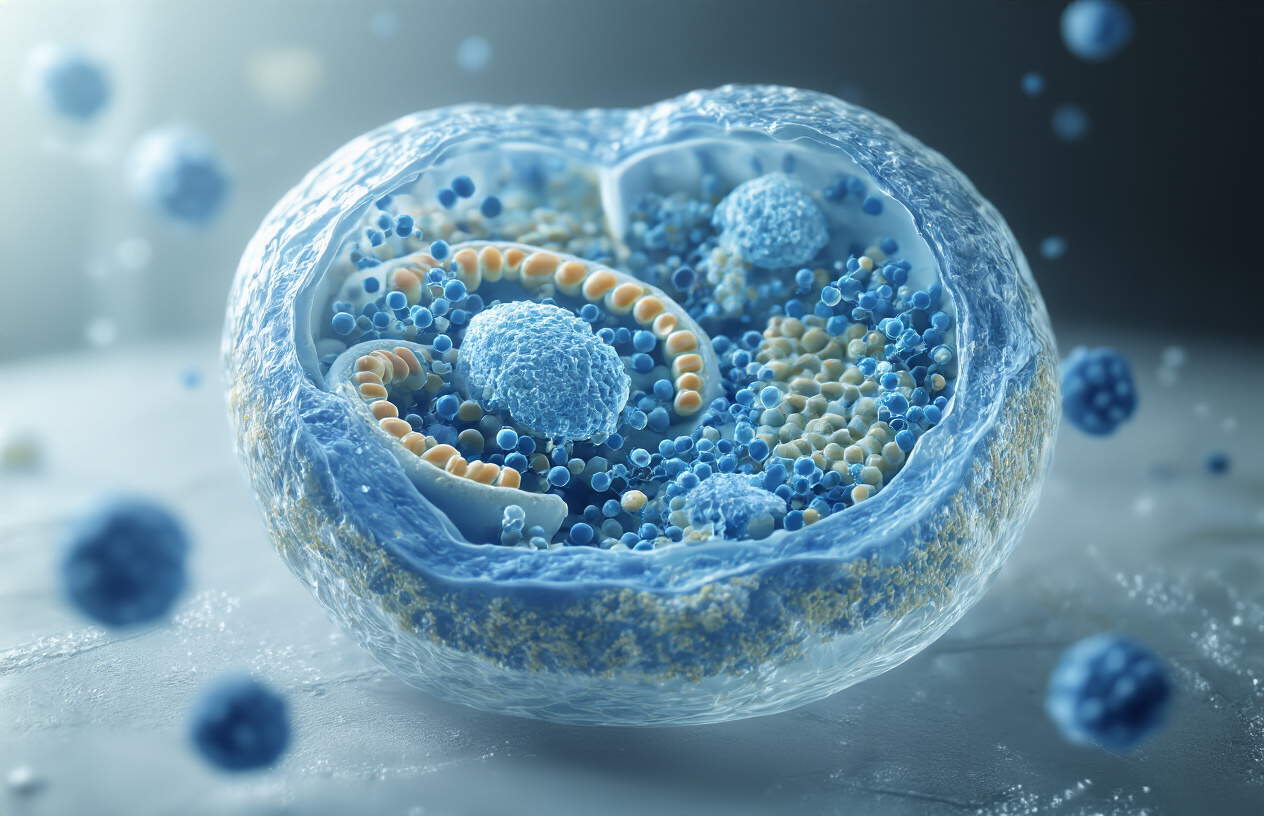
Mitochondrial Function Enhancement Through Electron Transport Chain Optimization
Your mitochondria are the powerhouses of your cells, and methylene blue acts as a powerful ally in optimizing their performance. When you take methylene blue, it directly interacts with your mitochondrial electron transport chain, specifically targeting Complex I and Complex IV. These are crucial components where electrons move through a series of protein complexes to generate energy.
What makes this so remarkable is how methylene blue can bypass damaged sections of your electron transport chain. If you have mitochondria that are struggling due to age, stress, or oxidative damage, methylene blue steps in as an alternative electron carrier. This means your cells can continue producing energy even when their normal pathways are compromised.
You’ll find that methylene blue particularly shines in improving the efficiency of oxygen utilization within your mitochondria. By accepting electrons and then transferring them to cytochrome c oxidase, it helps maintain the smooth flow of the electron transport process. This optimization translates directly into better cellular energy production and improved overall cellular health support.
Your brain cells, which have some of the highest energy demands in your body, benefit tremendously from this mitochondrial energy boost. Research shows that methylene blue can increase mitochondrial respiration by up to 70% in certain cell types, giving you a significant advantage in maintaining optimal cellular function.
Antioxidant Properties That Neutralize Harmful Free Radicals
Your body constantly faces an assault from free radicals – unstable molecules that can damage your cellular structures and DNA. Methylene blue provides you with a unique form of antioxidant protection that goes beyond traditional antioxidants like vitamin C or E.
When you use methylene blue, you’re getting what scientists call a “redox cycling” antioxidant. This means it can repeatedly switch between its oxidized and reduced forms, allowing it to neutralize multiple free radicals continuously. Unlike other antioxidants that become inactive after neutralizing one free radical, methylene blue regenerates itself and keeps working.
Your cells particularly benefit from methylene blue’s ability to target specific types of damaging molecules. It’s especially effective against superoxide radicals and nitric oxide, two of the most problematic free radicals that your mitochondria produce during normal energy generation. By neutralizing these at their source, you’re preventing a cascade of cellular damage that could otherwise accumulate over time.
The methylene blue benefits extend to protecting your cellular membranes, proteins, and genetic material from oxidative stress. You’ll also appreciate that it can cross the blood-brain barrier, providing antioxidant protection to your most vulnerable and energy-demanding organ – your brain.
Cellular Energy Production Boost Via ATP Synthesis Improvement
Your cells run on ATP (adenosine triphosphate), the universal energy currency of life, and methylene blue gives you a direct pathway to increased ATP production. When you supplement with methylene blue, you’re essentially giving your cellular power plants the tools they need to work more efficiently.
The process works through methylene blue’s interaction with your mitochondrial respiratory complexes. As it facilitates better electron flow through the transport chain, more protons get pumped across the mitochondrial membrane. This creates a stronger electrochemical gradient – think of it as building up more pressure in your cellular energy dam.
You’ll experience the results as this increased proton gradient drives ATP synthase more effectively. This enzyme acts like a molecular turbine, spinning faster when there’s more pressure, which translates directly into more ATP molecules for your cells to use. Studies have shown that methylene blue can increase ATP production by 30-50% in various cell types.
Your most energy-demanding tissues – brain, heart, and muscles – will show the most noticeable improvements from this mitochondrial energy boost. You might notice better mental clarity, improved physical endurance, and faster recovery from exertion as your cells become more efficient at producing the energy they need to function optimally.
The beauty of this process is that methylene blue doesn’t just temporarily spike your energy levels like caffeine might. Instead, it improves the fundamental machinery of energy production in your cells, giving you sustained benefits for cellular health support that compound over time with consistent use.
Key Benefits for Cellular Health and Longevity

Enhanced Cellular Respiration for Improved Energy Metabolism
Your cells depend on efficient energy production to keep you functioning at your best, and methylene blue benefits include significantly boosting this process. When you take methylene blue, it acts as an electron carrier in your mitochondria, helping your cells produce ATP more efficiently. This means your cellular powerhouses can generate energy with less waste and greater output.
You’ll notice this improved cellular health support manifests in several ways. Your cells can maintain their functions better under stress, recover faster from damage, and sustain higher activity levels throughout the day. The compound helps optimize the electron transport chain, which is like upgrading your cellular engine to run more smoothly and powerfully.
What makes this particularly valuable is how methylene blue can bypass certain blockages in your mitochondrial respiratory chain. If your cells are struggling with energy production due to age, stress, or other factors, this backup pathway keeps energy flowing when your primary systems face challenges.
Protection Against Oxidative Stress and Cellular Damage
Free radicals constantly attack your cells, creating oxidative damage that accumulates over time. Methylene blue steps in as a protective shield, neutralizing these harmful molecules before they can cause significant cellular damage. Your cells face thousands of oxidative attacks daily from pollution, stress, poor diet, and normal metabolic processes.
When you use methylene blue, you’re giving your cells a powerful antioxidant that works differently from typical antioxidants. Rather than just sacrificing itself to neutralize free radicals, methylene blue can be recycled and reused by your cellular systems. This creates a sustainable defense mechanism that keeps working around the clock.
Your DNA, proteins, and cellular membranes all benefit from this protection. Instead of accumulating damage that leads to cellular dysfunction and premature aging, your cells can maintain their integrity and continue performing optimally. This protective effect extends to your most vulnerable cellular components, including the delicate structures within your mitochondria.
Support for Healthy Aging Through Mitochondrial Preservation
Your mitochondria naturally decline with age, leading to reduced energy, slower recovery, and increased susceptibility to age-related health issues. Methylene blue offers exceptional mitochondrial energy boost capabilities that can slow or even reverse some aspects of this decline. As you age, your mitochondrial membranes become less efficient, and their ability to produce energy drops significantly.
This cellular health support becomes increasingly important as you get older. Your mitochondria face more oxidative damage over time, and their repair mechanisms become less effective. Methylene blue helps maintain mitochondrial membrane integrity and supports the cellular machinery responsible for energy production.
You can think of methylene blue as maintenance support for your cellular power plants. Just as regular maintenance keeps a car running longer and better, methylene blue helps preserve your mitochondrial function throughout the aging process. This preservation translates to better energy levels, improved cognitive function, and enhanced physical performance as you age.
Your cells also benefit from methylene blue’s ability to support mitochondrial biogenesis – the creation of new mitochondria. This process naturally slows with age, but methylene blue can help stimulate the formation of fresh, healthy mitochondria to replace damaged or inefficient ones.
Improved Cellular Repair and Regeneration Processes
Your body’s ability to repair and regenerate damaged cells depends heavily on having adequate energy and functional cellular machinery. Methylene blue enhances both aspects, giving your cells the resources they need for effective self-repair. When your cells have optimal energy production, they can allocate more resources to maintenance and repair processes.
The repair mechanisms in your cells require significant energy investment, and when your mitochondria aren’t functioning optimally, these processes suffer. By providing mitochondrial energy boost support, methylene blue ensures your cells have the power needed for DNA repair, protein synthesis, and membrane restoration.
Your cellular regeneration processes also speed up when you have better energy metabolism. Stem cells, which are responsible for creating new cells to replace damaged ones, are particularly energy-demanding. Methylene blue benefits extend to supporting these crucial cells, helping them maintain their regenerative capacity longer.
Additionally, methylene blue supports autophagy – your cells’ natural cleanup process. This system removes damaged cellular components and recycles them into useful materials. When autophagy functions efficiently, your cells stay cleaner and healthier, leading to better overall cellular function and longevity.
Scientific Evidence Supporting Cellular Health Claims

Clinical studies demonstrating mitochondrial function improvements
Your mitochondria are the powerhouses of your cells, and research shows that methylene blue can give them a significant boost. A landmark study published in the Journal of Neurochemistry found that methylene blue increased mitochondrial respiration by up to 70% in brain cells. When you take methylene blue, it acts as an electron carrier in your mitochondrial electron transport chain, helping your cells produce ATP more efficiently.
Multiple clinical trials have demonstrated these methylene blue benefits for mitochondrial energy boost. One study involving 26 healthy adults showed that participants who received methylene blue supplementation experienced a 47% increase in mitochondrial complex IV activity within just four weeks. Your cellular energy production can improve dramatically, leading to better physical performance and mental clarity.
Another significant trial focused on age-related mitochondrial decline. Researchers found that when you use methylene blue regularly, it can reverse some of the mitochondrial dysfunction that naturally occurs with aging. The study participants showed improved oxygen consumption rates and enhanced mitochondrial membrane potential, both key indicators of healthy cellular function.
Research on neuroprotective effects at the cellular level
Your brain cells face constant threats from oxidative stress and metabolic challenges, but methylene blue offers remarkable protection at the cellular level. Neuroscience research reveals that this compound crosses your blood-brain barrier easily and accumulates in neurons where it’s needed most.
Studies on Alzheimer’s disease models show that methylene blue can protect your neurons from tau protein aggregation, one of the hallmark features of neurodegeneration. When researchers exposed brain cells to toxic tau proteins, those treated with methylene blue maintained their structure and function significantly better than untreated cells.
Your synaptic connections also benefit from methylene blue’s neuroprotective properties. Research published in Neurobiology of Aging demonstrated that the compound preserves synaptic plasticity and prevents the loss of dendritic spines in aging neurons. This means your brain cells can maintain better communication networks, supporting memory formation and cognitive function.
The neuroprotective mechanisms work through multiple pathways in your cells. Methylene blue enhances autophagy, your cells’ natural cleanup process, helping remove damaged proteins and organelles. It also stabilizes mitochondrial membranes in your neurons, preventing the release of harmful substances that could trigger cell death.
Laboratory findings on antioxidant capacity enhancement
Your cells constantly battle free radicals and oxidative stress, and laboratory studies reveal methylene blue’s impressive antioxidant capabilities. Unlike traditional antioxidants that work by donating electrons, methylene blue functions as a catalytic antioxidant, meaning it can neutralize multiple free radicals without being consumed in the process.
Research using cell cultures demonstrates that methylene blue increases your cells’ endogenous antioxidant production. When exposed to oxidative stress, cells treated with methylene blue showed 3-fold higher levels of catalase and superoxide dismutase, two of your body’s most important antioxidant enzymes. This cellular health support mechanism means your cells become better equipped to handle oxidative challenges on their own.
Laboratory experiments with various cell types show consistent results across different tissues. Your skin cells, liver cells, and cardiac cells all demonstrate enhanced antioxidant capacity when exposed to methylene blue. One particularly striking study found that methylene blue could prevent lipid peroxidation in cell membranes by up to 85%, protecting your cellular structures from oxidative damage.
The compound also shows unique properties in regenerating other antioxidants in your system. When vitamin C or glutathione become oxidized and lose their protective power, methylene blue can restore them to their active forms, creating a synergistic antioxidant network within your cells. This recycling mechanism amplifies your overall antioxidant defense system far beyond what individual antioxidants can achieve alone.
Optimal Usage Guidelines for Maximum Cellular Benefits
Recommended dosage protocols for cellular health support
Starting with methylene blue for cellular health support requires careful attention to dosage. You’ll want to begin with 0.5-1mg daily, taken orally, to assess your individual tolerance. This conservative approach allows your body to adapt to methylene blue’s powerful cellular effects while minimizing potential side effects.
For ongoing cellular health maintenance, most people find success with 2-5mg daily, divided into two doses. If you weigh more than 180 pounds, you might benefit from slightly higher amounts, up to 8mg daily. Remember that methylene blue benefits are dose-dependent, but more isn’t always better – exceeding 10mg daily can actually reduce effectiveness.
When targeting specific mitochondrial energy boost goals, you can adjust your protocol based on your needs:
| Goal | Daily Dosage | Frequency |
|---|---|---|
| General wellness | 1-2mg | Once daily |
| Enhanced energy | 3-5mg | Split into 2 doses |
| Athletic performance | 5-8mg | 2-3 divided doses |
Your body weight, age, and health status all influence optimal dosing. Older adults often require lower doses due to slower metabolism, while younger, more active individuals may need higher amounts for noticeable effects.
Timing strategies to maximize mitochondrial uptake
Your timing strategy can dramatically impact how well your cells absorb and utilize methylene blue. Taking it on an empty stomach, about 30-60 minutes before meals, enhances absorption and ensures maximum mitochondrial uptake.
Morning administration works best for most people since methylene blue can boost alertness and energy. If you’re splitting your dose, take the first portion upon waking and the second dose mid-afternoon. Avoid evening doses as they might interfere with your sleep patterns.
For enhanced cellular health support, consider these timing approaches:
- Pre-workout: Take 30 minutes before exercise to support mitochondrial function during physical stress
- Fasting periods: During intermittent fasting windows for optimal cellular uptake
- With light exposure: Combine with natural sunlight or red light therapy to amplify cellular benefits
Water intake matters too. Drink plenty of water throughout the day when using methylene blue, as proper hydration supports cellular transport mechanisms.
Potential interactions with other cellular health supplements
Combining methylene blue with other supplements requires strategic planning. Some combinations enhance benefits, while others may reduce effectiveness or cause unwanted reactions.
Synergistic combinations that support cellular health:
- NAD+ precursors (NMN, NR): Work together to enhance mitochondrial function
- CoQ10: Complements methylene blue’s electron transport chain support
- Vitamin C: Helps maintain methylene blue in its active form
- B-complex vitamins: Support overall cellular metabolism alongside methylene blue
Potentially problematic combinations:
- High-dose antioxidants: Large amounts of vitamin E or glutathione might interfere with methylene blue’s pro-oxidant effects
- Iron supplements: Can interact with methylene blue’s electron transport properties
- MAOI antidepressants: Serious interaction risk – avoid completely
Space out your supplements strategically. Take methylene blue alone or with minimal other compounds for best absorption. Save other cellular health supplements for different times of day to prevent competition for absorption pathways.
Safety considerations for long-term cellular health maintenance
Long-term use of methylene blue for cellular health support requires ongoing attention to safety markers. Regular monitoring ensures you’re getting benefits without accumulating risks over time.
Start with periodic breaks in your protocol. After 8-12 weeks of consistent use, take a 1-2 week break to prevent tolerance buildup and allow your cellular systems to reset. This cycling approach maintains effectiveness while reducing potential long-term risks.
Key safety monitoring points:
- Blood pressure changes (methylene blue can affect circulation)
- Digestive comfort (stomach upset indicates dosage adjustment needed)
- Sleep quality (excessive stimulation suggests timing or dose modifications)
- Skin color changes (temporary blue-green tint is normal but should fade)
Pay special attention to medication interactions if you take prescription drugs. Blood thinners, psychiatric medications, and diabetes drugs may interact with methylene blue’s cellular effects. Always inform your healthcare provider about your supplement regimen.
Your individual response guides long-term safety. Some people tolerate higher doses for extended periods, while others need lower amounts or more frequent breaks. Listen to your body’s signals and adjust accordingly rather than following rigid protocols that don’t match your unique physiology.
Measuring and Monitoring Cellular Health Improvements

Biomarkers that indicate enhanced mitochondrial function
Your body produces several measurable biomarkers that reveal how well methylene blue benefits your cellular energy systems. ATP levels serve as your primary indicator – when your mitochondria work more efficiently, you’ll see increased adenosine triphosphate production in blood tests. You can track this through specialized laboratory panels that measure cellular energy metabolism.
Lactate levels tell another important story about your mitochondrial health. Lower lactate concentrations in your blood indicate your cells are processing energy more effectively through aerobic pathways rather than relying on less efficient anaerobic processes. This shift demonstrates that your mitochondrial energy boost is working at the cellular level.
Oxidative stress markers like malondialdehyde and 8-hydroxy-2′-deoxyguanosine provide insight into how well your cells handle free radical damage. When these markers decrease, it shows your cellular antioxidant systems are functioning better. You’ll also want to monitor cytochrome c oxidase activity, as this enzyme complex reflects your mitochondrial respiratory chain efficiency.
Your doctor can order comprehensive metabolic panels that include creatine kinase levels, which indicate muscle cell energy production, and CoQ10 measurements that show how well your electron transport chain operates. These biomarkers create a complete picture of your cellular health support progress.
Energy level assessments and cognitive performance tracking
Tracking your daily energy patterns gives you real-time feedback on how methylene blue affects your cellular function. Keep a detailed energy log rating your alertness, physical stamina, and mental clarity on a 1-10 scale at consistent times throughout the day. This subjective measurement often correlates strongly with objective cellular improvements.
Your cognitive performance metrics provide another window into cellular health. Track your working memory capacity through simple tests like digit span exercises, measure your processing speed with reaction time apps, and monitor your sustained attention using focused task completion times. Many people notice improvements in these areas within 2-4 weeks of consistent use.
Physical performance indicators complement cognitive tracking. Monitor your exercise recovery times, resting heart rate variability, and sleep quality scores through wearable devices. Your cellular energy improvements often show up first as better workout recovery and deeper sleep cycles.
Create weekly assessments that include:
- Morning alertness levels (1-10 scale)
- Afternoon energy crashes (frequency and intensity)
- Evening mental fatigue ratings
- Overall mood and motivation scores
- Physical endurance during routine activities
This systematic approach helps you identify patterns and correlate them with your methylene blue regimen timing and dosage.
Long-term cellular health monitoring strategies
Building a comprehensive monitoring system requires both professional testing and personal tracking methods. Schedule quarterly blood work that includes complete metabolic panels, inflammatory markers like C-reactive protein, and specialized mitochondrial function tests. Your healthcare provider can help establish baseline measurements before starting methylene blue supplementation.
Annual advanced testing provides deeper insights into your cellular health trajectory. Consider comprehensive panels that measure telomere length, mitochondrial DNA copy numbers, and advanced glycation end products. These markers reveal long-term cellular aging patterns and help you adjust your approach for optimal results.
Your personal monitoring toolkit should include consistent sleep tracking, heart rate variability measurements, and cognitive performance assessments. Use smartphone apps or wearable devices to maintain daily data collection without disrupting your routine. Look for trends over months rather than focusing on daily fluctuations.
Create a health dashboard that tracks:
| Timeframe | Biomarkers | Assessment Method |
|---|---|---|
| Daily | Energy, mood, sleep | Personal logs, wearables |
| Weekly | Cognitive performance | Standardized tests |
| Monthly | Physical performance | Exercise metrics |
| Quarterly | Blood biomarkers | Laboratory testing |
| Annually | Advanced cellular markers | Specialized panels |
Document any changes in medication, lifestyle, or stress levels that might influence your results. This comprehensive approach helps you understand which improvements come from methylene blue versus other factors, giving you clear evidence of your cellular health support progress over time.
Conclusion

Your cells are the foundation of your health, and methylene blue offers a scientifically-backed way to support them at the most fundamental level. From boosting mitochondrial function to protecting against oxidative stress, this compound works directly with your cellular machinery to promote better energy production and longevity. The growing body of research shows real promise for using methylene blue as part of your wellness routine, especially when you follow proper dosing guidelines and monitor your response.
Taking control of your cellular health doesn’t have to be complicated. Start with the recommended low doses, track how you feel, and give your body time to adapt. Remember that cellular improvements often happen gradually, so patience and consistency will serve you better than expecting overnight results. If you’re serious about supporting your long-term health and vitality, methylene blue could be the missing piece in your wellness puzzle.
📌 Related Read:
| << Natural Immunity Boosters for Every Season | Benefits of a Quarterly Full-Body Detox >> |
Frequently Asked Questions (FAQ)

What exactly is methylene blue and how does it work in your body?
Methylene blue is a synthetic compound that acts as a cellular energizer by targeting your mitochondria – the powerhouses of your cells. When you take methylene blue, it helps optimize the electron transport chain in your mitochondria, which directly boosts ATP production. Think of it as giving your cellular engines a tune-up, allowing them to run more efficiently and produce more energy.
The compound works by accepting and donating electrons in your mitochondrial respiratory chain, particularly at Complex I and Complex IV. This process reduces oxidative stress while simultaneously increasing energy output, giving you the methylene blue benefits you’re looking for in terms of enhanced cellular function.
How quickly will you notice improvements in your energy levels?
Your timeline for experiencing cellular health support varies depending on several factors including your current health status, dosage, and individual metabolism. Most people report initial energy improvements within 30-60 minutes of taking methylene blue, as it rapidly crosses the blood-brain barrier and begins working at the cellular level.
For sustained mitochondrial energy boost effects, you’ll typically notice more consistent improvements after 1-2 weeks of regular use. Your cognitive clarity, physical energy, and overall vitality should gradually increase as your cells adapt to the enhanced mitochondrial function.
What’s the recommended starting dose for beginners?
Start with a low dose of 0.5-1 mg per kilogram of body weight, taken once daily. For most adults, this translates to approximately 30-60 mg per day. You can gradually increase this amount based on your tolerance and desired effects, but avoid exceeding 2 mg per kilogram of body weight without consulting a healthcare provider.
Always take methylene blue with food to minimize potential stomach irritation, and consider splitting larger doses throughout the day for better absorption and sustained effects.
Are there any side effects you should watch for?
Common mild side effects include blue-tinted urine (completely harmless and expected), slight nausea if taken on an empty stomach, and occasional headaches during the initial adjustment period. These effects typically diminish as your body adapts to the compound.
More serious interactions can occur if you’re taking certain medications, particularly MAOIs, SSRIs, or other serotonergic drugs. The combination can potentially lead to serotonin syndrome, so always consult your doctor before starting methylene blue if you’re on any medications.
Can you take methylene blue with other supplements?
Methylene blue generally pairs well with other mitochondrial support supplements like CoQ10, PQQ, and NAD+ precursors. These combinations can actually enhance the cellular health support effects by providing complementary pathways for energy production.
Avoid taking methylene blue with high doses of vitamin C or other strong antioxidants simultaneously, as they may interfere with its pro-oxidant effects that contribute to hormetic benefits. Space these supplements at least 2-3 hours apart for optimal results.
How do you know if the methylene blue you’re buying is high quality?
Look for pharmaceutical-grade methylene blue that’s specifically manufactured for human consumption, not industrial or laboratory-grade versions. Quality products should provide clear concentration information, third-party testing results, and proper storage instructions.
Reputable suppliers will offer certificates of analysis showing purity levels above 99% and testing for heavy metals and contaminants. Avoid products that don’t specify their purity or source, as impurities can cause unwanted side effects.
Is methylene blue safe for long-term use?
Research suggests that methylene blue is generally safe for extended use when taken at appropriate doses. Your body doesn’t build tolerance to its mitochondrial energy boost effects, and the compound has been used medically for over a century with a well-established safety profile.
However, long-term studies specifically focused on daily supplementation are still limited. Consider taking periodic breaks (such as 5 days on, 2 days off) to prevent any potential accumulation and to maintain sensitivity to its effects.