
Your immune system works hard year-round, but seasonal changes bring unique challenges that can leave you feeling run down. This guide is for anyone who wants to strengthen their body’s natural defenses without relying solely on supplements or medications.
Different seasons demand different approaches to staying healthy. Spring allergies, summer heat stress, fall cold viruses, and winter flu bugs all test your immune system in distinct ways. Natural immune boosters can help you adapt to these changing demands and maintain strong seasonal immunity support throughout the year.
We’ll explore essential nutrients that power your immune defense and dive into specific strategies for each season. You’ll also discover herbal immune health options and simple lifestyle habits that keep your immunity strong no matter what time of year it is.
Table of Contents
- Essential Nutrients That Strengthen Your Immune Defense
- Spring Immune Support Strategies
- Summer Wellness Boosters for Hot Weather
- Fall Prevention Methods for Cold Season
- Winter Fortification Against Illness
- Year-Round Lifestyle Habits for Optimal Immunity
- Conclusion
- Frequently Asked Questions (FAQ)
- Are natural immune boosters really effective?
- Which herbs provide the strongest immune support?
- How do seasonal changes affect my immune system?
- What’s the difference between immune boosters and immune modulators?
- Can I take multiple herbal immune health supplements together?
- How long should I take natural immune boosters?
Essential Nutrients That Strengthen Your Immune Defense
Vitamin C-Rich Foods for Daily Protection
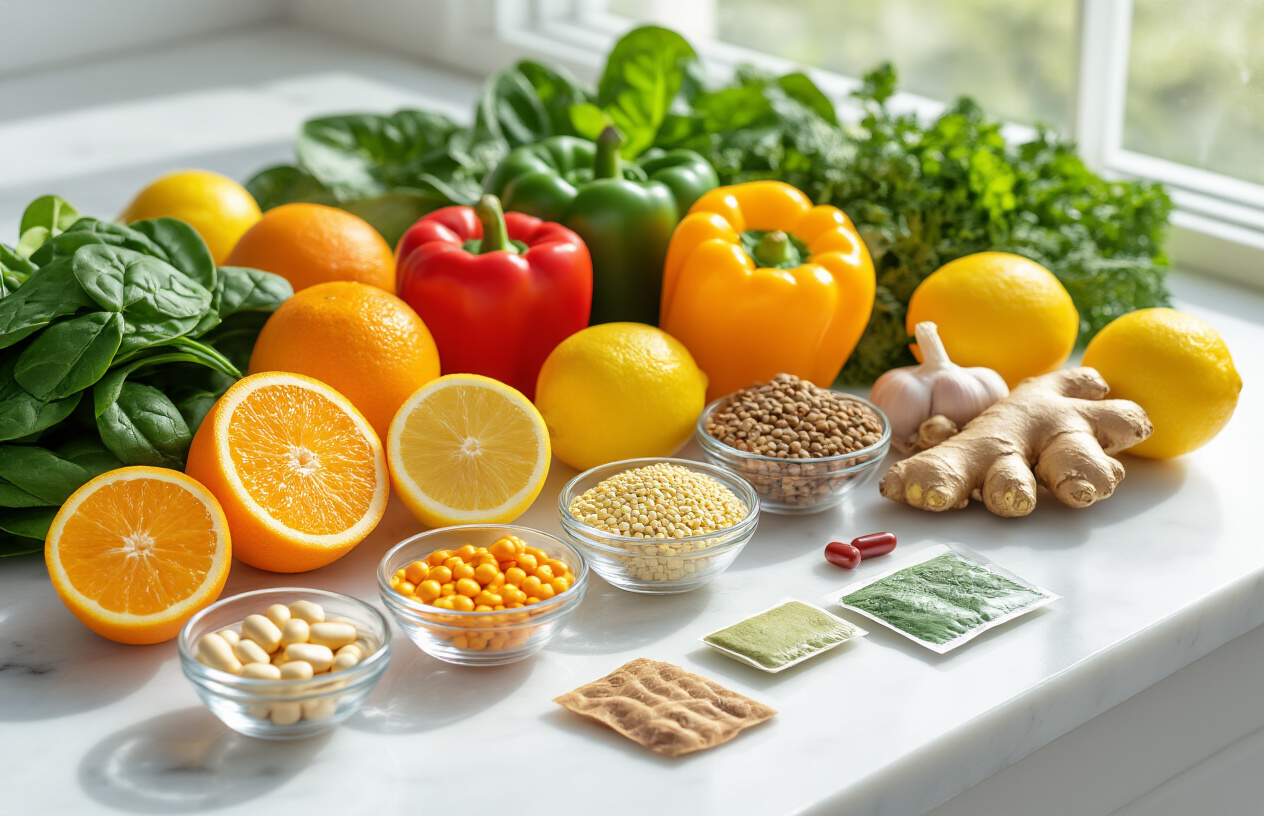
Your body can’t produce vitamin C on its own, making daily intake through food sources absolutely critical for maintaining strong natural immune boosters. This powerhouse nutrient strengthens white blood cells and helps your body produce interferon, a protein that fights off viruses and bacteria.
Citrus fruits like oranges, grapefruits, and lemons pack serious vitamin C punch, but don’t overlook other excellent sources. Red bell peppers actually contain more vitamin C per serving than most oranges. Strawberries, kiwi fruits, and papaya offer delicious ways to meet your daily needs while satisfying sweet cravings.
Vegetables deserve equal attention in your vitamin C strategy. Broccoli, Brussels sprouts, and cauliflower provide substantial amounts, especially when eaten raw or lightly steamed. Dark leafy greens like kale and spinach contribute to your daily intake while delivering additional immune-supporting nutrients.
Fresh herbs can significantly boost your vitamin C consumption. Parsley, cilantro, and thyme add flavor to meals while contributing meaningful amounts of this essential vitamin. Adding these herbs to smoothies, salads, or cooked dishes creates an easy way to increase daily intake.
Zinc Sources That Fight Infections Naturally
Zinc plays a crucial role in immune cell development and communication, making it one of the most important natural immune boosters for fighting infections. This mineral helps wounds heal faster and supports the production of infection-fighting white blood cells.
Oysters contain the highest concentration of zinc among all foods, providing over 400% of your daily needs in just six medium oysters. If seafood isn’t your preference, lean meats like beef, lamb, and pork offer excellent zinc sources that your body easily absorbs.
Plant-based options include pumpkin seeds, which you can easily snack on or sprinkle over salads and yogurt. Hemp seeds, sesame seeds, and cashews provide good amounts of zinc while adding healthy fats to your diet. Legumes like chickpeas, lentils, and beans contribute to zinc intake, though plant sources aren’t absorbed as efficiently as animal sources.
Dark chocolate lovers can celebrate knowing that cocoa powder and dark chocolate contain meaningful amounts of zinc. Choose chocolate with at least 70% cacao content to maximize benefits while minimizing added sugars.
Vitamin D Benefits from Sun and Supplements
Vitamin D functions more like a hormone than a traditional vitamin, regulating immune system responses and helping your body fight off harmful pathogens. This nutrient reduces inflammation and supports the production of antimicrobial proteins that destroy invading bacteria and viruses.
Sunlight remains the most natural way to boost vitamin D levels. Your skin produces this vitamin when exposed to UVB rays, with fair-skinned individuals needing about 10-15 minutes of midday sun exposure several times per week. Darker skin requires longer exposure times due to increased melanin content.
Food sources of vitamin D are limited but important for seasonal immunity support. Fatty fish like salmon, mackerel, sardines, and tuna provide substantial amounts. Egg yolks from pasture-raised chickens contain higher vitamin D levels than conventional eggs. Fortified foods like milk, cereals, and plant-based milk alternatives help bridge nutritional gaps.
Supplementation becomes necessary for many people, especially during winter months or for those with limited sun exposure. Most health professionals recommend 1000-2000 IU daily for adults, though individual needs vary based on blood levels, geographic location, and skin tone.
Antioxidant-Packed Foods That Combat Free Radicals
Antioxidants neutralize harmful free radicals that damage immune cells and accelerate aging processes. These protective compounds work together to maintain cellular health and support optimal immune function throughout all seasons.
Berries top the antioxidant charts with blueberries, blackberries, and raspberries providing anthocyanins that give them their deep colors. These compounds reduce inflammation and support herbal immune health by protecting immune cells from oxidative damage. Frozen berries retain most of their antioxidant properties and offer year-round availability.
Colorful vegetables deliver diverse antioxidant profiles. Purple cabbage, red onions, and colorful bell peppers provide flavonoids that strengthen immune responses. Sweet potatoes and carrots offer beta-carotene, which converts to vitamin A and supports respiratory tract health.
Green tea contains catechins, particularly EGCG, which demonstrate powerful immune-supporting properties. Drinking 2-3 cups daily provides meaningful antioxidant benefits. Spices like turmeric, ginger, and cinnamon add antioxidant power to meals while enhancing flavor profiles.
| Food Category | Top Antioxidant Sources | Key Benefits |
|---|---|---|
| Berries | Blueberries, blackberries, goji berries | Anthocyanins reduce inflammation |
| Nuts & Seeds | Pecans, walnuts, sunflower seeds | Vitamin E protects cell membranes |
| Vegetables | Artichokes, red cabbage, beets | Diverse flavonoids support immunity |
| Beverages | Green tea, pomegranate juice | Catechins and polyphenols fight oxidation |
Spring Immune Support Strategies
Detoxifying Green Vegetables for System Reset
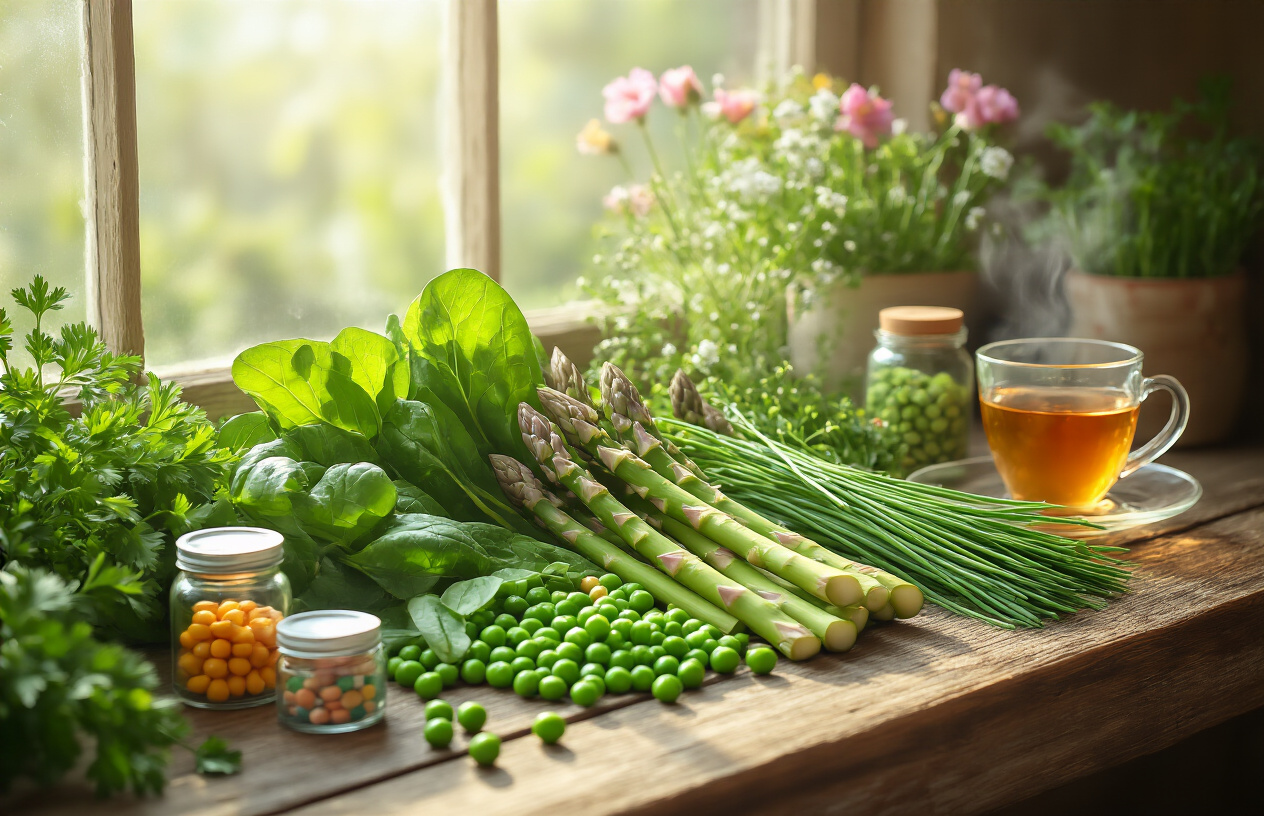
Spring brings the perfect opportunity to support your body’s natural detox processes with nutrient-dense leafy greens. These powerhouse vegetables contain chlorophyll, which acts like nature’s internal cleanser, helping your liver process toxins accumulated during winter months when fresh produce was limited.
Dark leafy greens like spinach, kale, and Swiss chard pack incredible amounts of vitamin C, folate, and antioxidants that directly support immune cell production. Spinach contains glutathione, often called the “master antioxidant,” which helps your white blood cells fight off infections more effectively. Adding two cups of raw spinach to your morning smoothie gives you nearly 50% of your daily folate needs.
Cruciferous vegetables like broccoli, Brussels sprouts, and arugula contain sulforaphane, a compound that activates your body’s detox enzymes. These vegetables help your liver break down and eliminate harmful substances while providing vitamin K for healthy immune system regulation.
Dandelion greens, often dismissed as weeds, deserve a spot on your spring plate. They support liver function and contain more beta-carotene than carrots. Try adding young dandelion leaves to salads or sautéing mature ones with garlic for a mineral-rich side dish.
Fresh asparagus spears provide glutathione precursors and act as natural diuretics, helping your kidneys flush out waste products. Steam them lightly to preserve their immune-supporting nutrients and pair with lemon juice for enhanced vitamin C absorption.
Fresh Herbs That Cleanse and Protect
Spring herbs offer concentrated doses of natural immune boosters that have been used for centuries in herbal immune health practices. These aromatic plants contain volatile oils and compounds that provide both protective and cleansing benefits for your system.
Nettle stands out as a spring superstar for seasonal immunity support. Despite its stinging reputation, when cooked or dried, nettle becomes a gentle but powerful ally. Rich in iron, vitamin C, and natural antihistamines, nettle tea helps reduce seasonal allergy symptoms while supporting overall immune function. Steep dried nettle leaves for 10-15 minutes to extract maximum benefits.
Fresh parsley goes beyond garnish status with its high vitamin C content and natural diuretic properties. It helps your kidneys eliminate toxins while providing chlorophyll for blood cleansing. Cilantro works similarly but adds heavy metal detox support, making both herbs excellent additions to green smoothies and fresh juices.
Mint family herbs like spearmint and peppermint contain menthol and rosmarinic acid, which have natural anti-inflammatory and antimicrobial properties. These compounds help clear respiratory passages while supporting digestive health, creating optimal conditions for nutrient absorption.
Wild violet leaves and flowers, if available in your area, provide vitamin A and mucilage that soothes inflamed tissues. These gentle herbs can be added to salads or steeped as tea for throat and respiratory support during spring’s unpredictable weather changes.
Allergy-Fighting Foods for Seasonal Relief
Spring allergies can compromise your immune system’s ability to fight off other threats, making targeted nutritional support essential. Certain foods contain natural antihistamines and anti-inflammatory compounds that help your body manage seasonal triggers more effectively.
Quercetin-rich foods top the list for natural allergy relief. Red onions, apples with skin, and berries contain this powerful flavonoid that stabilizes mast cells, preventing excessive histamine release. Eating half a red onion daily during allergy season can significantly reduce symptoms while providing immune-supporting sulfur compounds.
Local raw honey deserves special attention for seasonal immunity support. When sourced within a 10-mile radius of your home, local honey contains trace amounts of local pollens that can help your immune system build tolerance. Take one tablespoon daily, starting several weeks before allergy season peaks.
Omega-3 rich foods like wild-caught salmon, walnuts, and flaxseeds help reduce inflammatory responses that worsen allergy symptoms. These healthy fats support immune cell membrane function while providing natural anti-inflammatory effects that complement your body’s healing processes.
| Food Category | Key Examples | Primary Benefits |
|---|---|---|
| Quercetin Sources | Red onions, berries, apples | Natural antihistamine, mast cell stabilization |
| Local Honey | Raw, unfiltered honey | Pollen tolerance building, antimicrobial support |
| Omega-3 Foods | Wild salmon, walnuts, chia seeds | Anti-inflammatory, immune cell support |
| Probiotic Foods | Fermented vegetables, yogurt | Gut health, immune regulation |
Fermented foods like sauerkraut and kimchi provide beneficial bacteria that support gut health, where approximately 70% of your immune system resides. A healthy gut microbiome helps regulate immune responses and prevents overreactions to harmless environmental triggers like pollen and dust.
Summer Wellness Boosters for Hot Weather
Hydrating Foods That Maintain Immunity
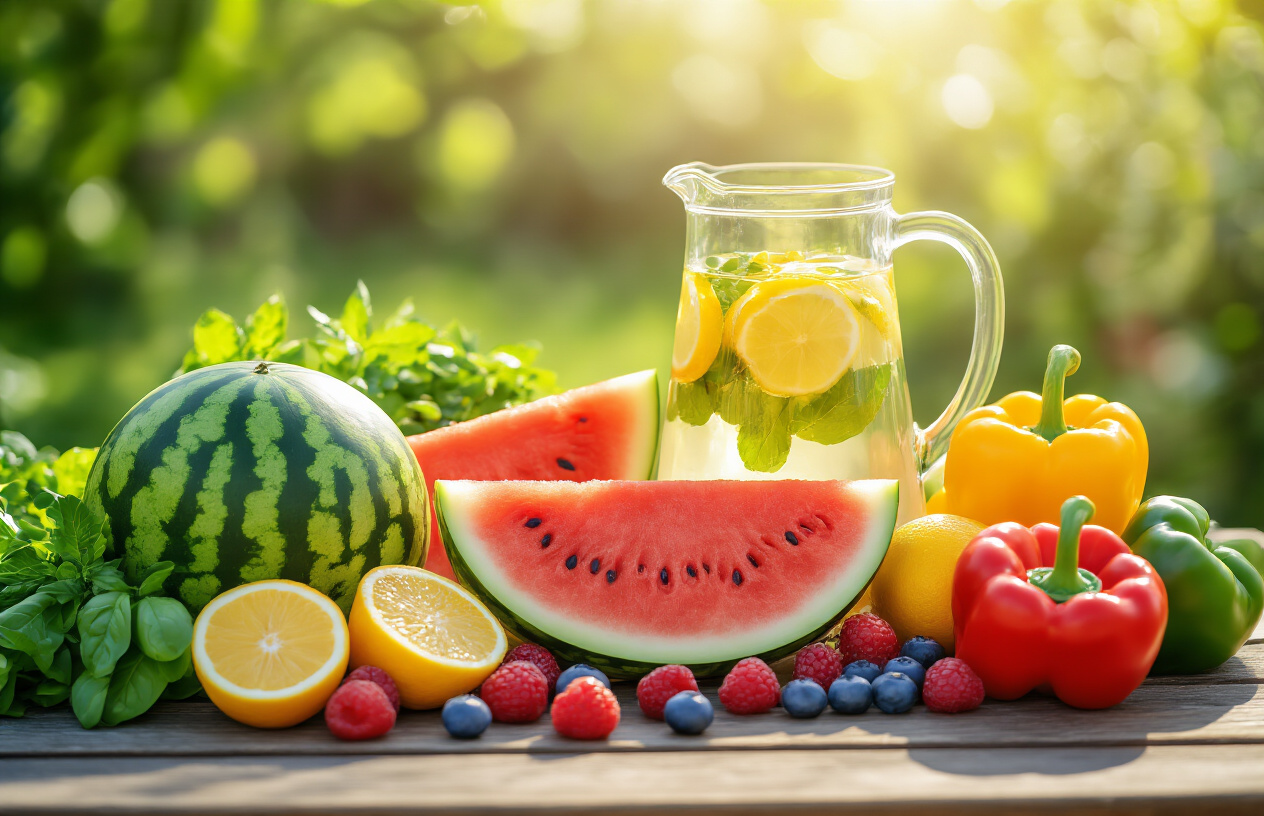
Your body loses more fluids during summer heat, making proper hydration essential for maintaining strong immune function. Water-rich foods work double duty – they keep you hydrated while delivering vital nutrients that support your body’s defense systems.
Watermelon stands out as a summer superstar, containing 92% water plus lycopene, which acts as a powerful antioxidant. Cucumbers offer similar hydration benefits with added vitamin K and silica for skin health. Cantaloupe provides beta-carotene, which your body converts to vitamin A – a key nutrient for immune cell production.
Citrus fruits like oranges and grapefruits deliver both water content and vitamin C, making them perfect natural immune boosters for hot weather. Berries, especially strawberries and blueberries, combine hydration with anthocyanins that fight inflammation and oxidative stress.
Don’t overlook vegetables – tomatoes, bell peppers, and celery all contribute to your fluid intake while providing essential vitamins and minerals. Leafy greens like lettuce and spinach contain folate, which supports white blood cell production.
Cooling Anti-Inflammatory Ingredients
Summer heat can increase inflammation in your body, making cooling foods your allies in maintaining optimal health. These natural ingredients help regulate your internal temperature while providing seasonal immunity support.
Mint contains menthol, which creates a cooling sensation and helps reduce digestive inflammation. Add fresh mint leaves to water, smoothies, or salads for instant refreshment and immune benefits. Coconut water naturally lowers body temperature while replenishing electrolytes lost through sweating.
Green tea, served iced, provides catechins – powerful compounds that reduce inflammation and support immune function. The cooling nature of green tea makes it perfect for summer consumption while still delivering antioxidant benefits.
Yogurt and kefir offer probiotics that cool your digestive system while supporting gut health. Greek yogurt with cucumber creates a naturally cooling combination that’s popular in Mediterranean cultures for good reason.
Aloe vera juice has cooling properties and contains polysaccharides that support immune function. Fresh herbs like cilantro and parsley not only cool your palate but also provide chlorophyll and vitamins that boost your natural defenses.
Sun-Protective Nutrients for Skin Health
Your skin acts as your first line of immune defense, and summer sun exposure requires extra nutritional support to maintain this protective barrier.
Beta-carotene-rich foods create natural sun protection from within. Carrots, sweet potatoes, and dark leafy greens provide this precursor to vitamin A, which helps repair sun-damaged skin cells. Orange and yellow vegetables contain carotenoids that accumulate in your skin, offering modest protection against UV damage.
Omega-3 fatty acids found in fatty fish, walnuts, and flaxseeds reduce skin inflammation caused by sun exposure. These healthy fats help maintain skin cell membranes and support the skin’s natural healing processes.
Vitamin E from sunflower seeds, almonds, and avocados works synergistically with vitamin C to protect skin cells from oxidative damage. This combination helps prevent premature aging and maintains skin’s immune function.
Polyphenol-rich foods like green tea, dark chocolate, and pomegranates provide additional UV protection while supporting overall herbal immune health. These compounds help neutralize free radicals generated by sun exposure and maintain healthy skin cell turnover.
Probiotic-Rich Foods for Gut Balance
Summer’s heat and dietary changes can disrupt your gut microbiome, making probiotic foods essential for maintaining immune balance. Your gut houses approximately 70% of your immune system, making digestive health a priority during warmer months.
Fermented vegetables like sauerkraut, kimchi, and pickles provide beneficial bacteria that thrive in cooler storage conditions, making them perfect summer additions. These foods offer natural probiotics without the heaviness of hot meals.
Kombucha serves as a refreshing probiotic beverage that helps maintain gut health while keeping you cool. Choose varieties with minimal added sugars to maximize benefits. Water kefir provides similar benefits with a lighter, more refreshing taste than milk-based kefir.
Miso soup, served cool or at room temperature, delivers probiotics along with immune-supporting compounds from fermented soybeans. Cold fermented soups are popular in many Asian cultures during summer months.
Tempeh and other fermented soy products provide plant-based probiotics that support digestive health. These protein-rich foods help maintain stable blood sugar levels during hot weather when appetites may fluctuate.
Including a variety of fermented foods ensures diverse bacterial strains that support comprehensive immune function throughout the summer season.
Fall Prevention Methods for Cold Season
Warming Spices That Boost Circulation
Cold weather slows down your circulation, making your body work harder to maintain warmth and fight off seasonal bugs. Adding warming spices to your daily routine gives your natural immune boosters the extra push they need during fall months.
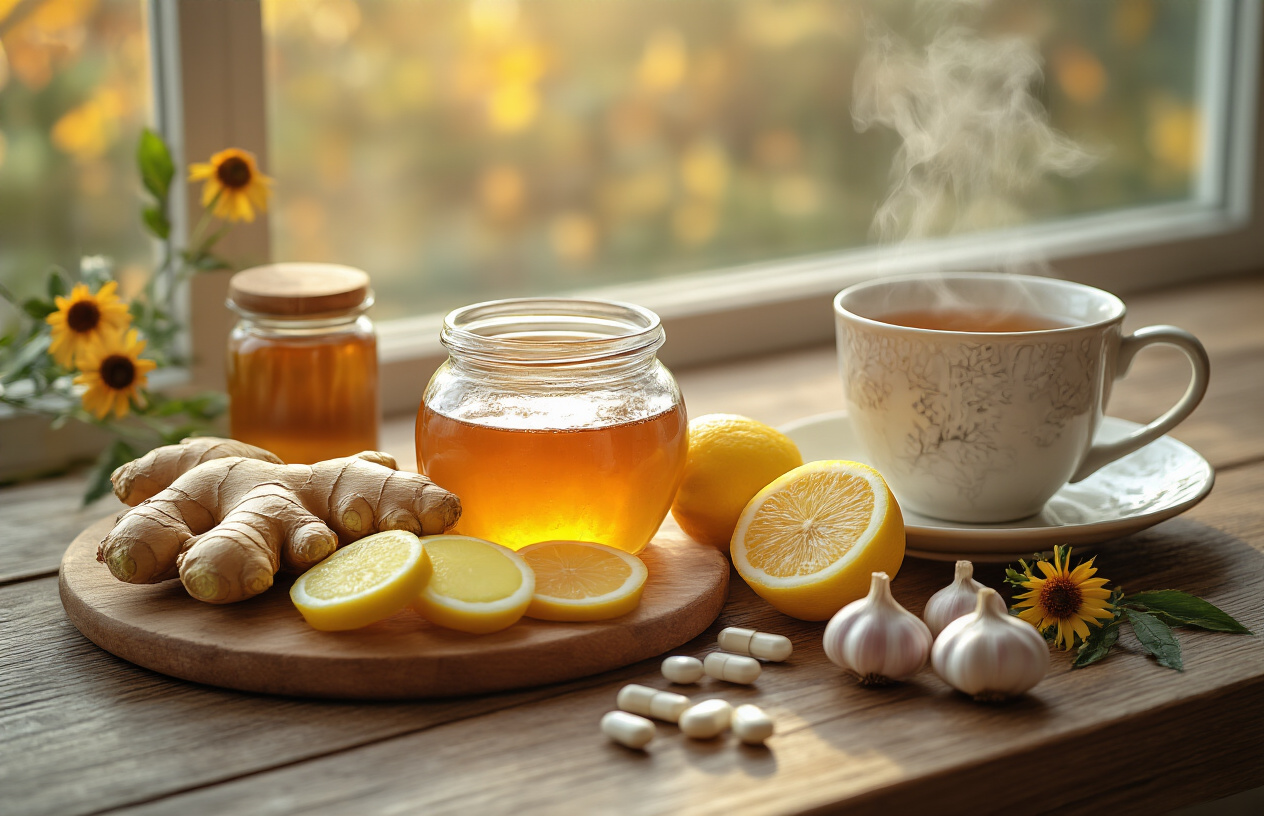
Ginger stands out as the champion of circulation-boosting spices. Fresh ginger root contains gingerol compounds that increase blood flow and warm your body from the inside out. Add fresh grated ginger to hot teas, soups, or smoothies for maximum benefit. Cinnamon works similarly, helping regulate blood sugar while promoting healthy circulation. Sprinkle Ceylon cinnamon on oatmeal, coffee, or roasted vegetables.
Turmeric deserves special attention for its powerful anti-inflammatory properties. The curcumin in turmeric supports your immune system while reducing inflammation that can weaken your defenses. Mix turmeric with black pepper and a pinch of cayenne pepper to create a warming spice blend that enhances absorption.
Cayenne pepper might seem intense, but small amounts provide remarkable warming benefits. The capsaicin stimulates circulation and helps clear respiratory passages – perfect timing for fall allergies and early cold symptoms.
| Warming Spice | Primary Benefit | Best Used In |
|---|---|---|
| Ginger | Circulation boost | Teas, soups, marinades |
| Cinnamon | Blood sugar regulation | Beverages, breakfast foods |
| Turmeric | Anti-inflammatory | Golden milk, curries |
| Cayenne | Respiratory support | Broths, warming drinks |
Root Vegetables for Sustained Energy
Root vegetables become nature’s perfect fuel during fall months, providing steady energy that keeps your immune system running strong. Unlike simple carbohydrates that cause energy spikes and crashes, root vegetables deliver complex carbohydrates that release glucose gradually into your bloodstream.
Sweet potatoes pack an impressive nutritional punch with beta-carotene, which your body converts to vitamin A for immune function. Their natural sweetness satisfies cravings while providing sustained energy for hours. Roast sweet potatoes with olive oil and rosemary for a simple side dish, or add them to soups and stews.
Beets support your body’s natural detoxification processes while boosting stamina. The nitrates in beets improve oxygen delivery to your cells, helping you feel more energized throughout the day. Try roasted beets in salads or blend them into smoothies for a nutritional boost.
Carrots, parsnips, and turnips round out the root vegetable family with their own unique benefits. Carrots provide additional beta-carotene, parsnips offer potassium for heart health, and turnips contain vitamin C for immune support. These versatile vegetables work beautifully in roasted medleys, soups, and grain bowls.
Immune-Supporting Soups and Broths
Warm, nutrient-dense soups become your best friend during fall’s transition to colder weather. These liquid meals provide hydration while delivering concentrated nutrition that supports your seasonal immunity support goals.
Bone broth deserves top billing for its immune-supporting properties. The slow-simmered bones release collagen, minerals, and amino acids that strengthen your gut lining – your first line of immune defense. Quality bone broth takes time to make, but you can find good options at health food stores or make large batches to freeze.
Chicken soup isn’t just comfort food – science backs up its immune benefits. The combination of protein, vegetables, and warm liquid helps reduce inflammation while providing easy-to-digest nutrition when you’re feeling under the weather. Add extra garlic, onions, and herbs for additional immune support.
Miso soup offers probiotic benefits that support gut health and immunity. The fermented soybean paste contains beneficial bacteria that help maintain your microbiome balance. Keep miso paste on hand for quick, warming soups throughout the season.
Vegetable broths made with immune-supporting ingredients like mushrooms, garlic, ginger, and leafy greens provide plant-based nutrition. Shiitake and reishi mushrooms contain beta-glucans that specifically support immune function.
Adaptogens for Stress Management
Fall often brings increased stress with back-to-school schedules, work deadlines, and holiday preparations. Chronic stress weakens your immune system, making adaptogens valuable allies for maintaining herbal immune health during busy seasons.
Ashwagandha helps your body manage stress responses while supporting energy levels. This ancient herb reduces cortisol levels that can suppress immune function when elevated long-term. Take ashwagandha supplements or add the powder to smoothies and warm drinks.
Holy basil (tulsi) works differently than regular basil, offering adaptogenic properties that calm your nervous system. Tulsi tea provides a caffeine-free way to unwind while supporting your body’s stress response. The herb also contains compounds that support respiratory health – perfect for fall allergy season.
Rhodiola helps combat fatigue while improving your body’s resilience to stress. This adaptogen works particularly well for people dealing with seasonal mood changes as daylight hours decrease. Look for standardized rhodiola extracts or add the powder to morning smoothies.
Schisandra berries offer liver support while helping your body adapt to stress. These tart berries contain lignans that support detoxification – important when your immune system is working harder during seasonal transitions.
Sleep-Enhancing Foods for Recovery
Quality sleep becomes even more important as your body prepares for winter months. Your immune system does its best repair work during deep sleep phases, making sleep-supporting foods essential for maintaining strong defenses.
Tart cherries contain natural melatonin that helps regulate your sleep-wake cycle. The shorter daylight hours of fall can disrupt your circadian rhythm, making tart cherry juice or dried cherries valuable additions to your evening routine. Drink a small glass of tart cherry juice about an hour before bedtime.
Magnesium-rich foods support muscle relaxation and nervous system calm. Pumpkin seeds, almonds, and dark leafy greens provide bioavailable magnesium that helps your body prepare for rest. Try a small handful of pumpkin seeds as an evening snack.
Complex carbohydrates eaten in moderation during dinner can support sleep quality by helping your body produce serotonin. Oatmeal, quinoa, or a small serving of sweet potato paired with protein creates the ideal balance for restful sleep.
Herbal teas like chamomile, passionflower, and lemon balm provide gentle sleep support without grogginess the next day. Create a calming bedtime ritual with these caffeine-free options to signal your body that it’s time to wind down.
Winter Fortification Against Illness

Citrus Fruits for Maximum Vitamin C
Winter brings cold weather and increased vulnerability to seasonal illnesses, making citrus fruits your strongest allies for natural immune boosters during these challenging months. These vibrant fruits pack impressive vitamin C levels that directly support your body’s defense mechanisms when you need them most.
Oranges lead the charge with about 70mg of vitamin C per medium fruit, while grapefruits deliver similar benefits with added bioflavonoids that enhance absorption. Lemons and limes might be smaller, but they’re concentrated powerhouses perfect for daily immune support through warm water drinks or cooking.
Fresh citrus works better than supplements because the whole fruit provides fiber, folate, and antioxidants that work together synergistically. The natural sugars also help your body absorb the vitamin C more effectively than isolated supplements.
| Citrus Fruit | Vitamin C (mg) | Best Use |
|---|---|---|
| Orange | 70 | Snacking, juice |
| Grapefruit | 65 | Breakfast, salads |
| Lemon | 30 | Tea, water, cooking |
| Lime | 20 | Beverages, marinades |
Keep citrus fruits at room temperature for maximum vitamin content, and eat them within a week of purchase. Adding lemon to your morning routine or having an orange as an afternoon snack creates consistent vitamin C intake throughout winter months.
Fermented Foods for Digestive Health
Your gut houses roughly 70% of your immune system, making fermented foods essential for seasonal immunity support during winter months. These probiotic-rich foods strengthen your digestive tract’s protective barrier and help your body fight off seasonal threats more effectively.
Kimchi and sauerkraut top the list for winter fermented foods because they’re shelf-stable and packed with beneficial bacteria. Both contain lactobacillus strains that directly support immune function while providing vitamin K2 and other nutrients often lacking in winter diets.
Yogurt and kefir offer different probiotic strains that complement vegetable ferments perfectly. Choose plain varieties without added sugars, since excess sugar can actually suppress immune function. Greek yogurt provides extra protein that your body needs for antibody production.
Miso and tempeh bring unique benefits through their fermentation process with beneficial molds and bacteria. Miso soup becomes particularly valuable during winter, combining warming properties with gut-supporting probiotics.
Daily Fermented Food Goals:
- 1-2 servings of different fermented foods
- Rotate varieties to maximize bacterial diversity
- Combine with prebiotic foods like garlic and onions
- Avoid highly processed versions with minimal live cultures
Start slowly if you’re new to fermented foods, adding small amounts daily to let your digestive system adjust gradually.
Warming Teas with Medicinal Properties
Herbal immune health gets a major boost from medicinal teas that provide both warming comfort and powerful immune-supporting compounds during winter’s harsh conditions. These warming beverages deliver antioxidants, anti-inflammatory compounds, and antimicrobial properties right when your body needs extra support.
Ginger tea stands out as a winter essential, offering warming properties that improve circulation while providing gingerol compounds that fight inflammation and support immune function. Fresh ginger root steeped for 10-15 minutes creates the most potent brew, though dried ginger works well too.
Elderberry tea provides anthocyanins and flavonoids that specifically target respiratory health and seasonal immune challenges. This traditional remedy has been used for centuries and modern research confirms its effectiveness for reducing the duration and severity of winter illnesses.
Echinacea tea offers direct immune system stimulation through its polysaccharides and alkamides. Drinking echinacea tea at the first sign of seasonal challenges can help your body mount a stronger defense response.
Powerful Winter Tea Blends:
- Ginger + lemon + honey for throat comfort
- Elderberry + cinnamon for antioxidant power
- Echinacea + peppermint for respiratory support
- Turmeric + black pepper for anti-inflammatory benefits
Green tea deserves special mention for its EGCG content, which supports immune cell function and provides steady energy without the crashes associated with coffee. Steep these teas properly – not too hot and not too long – to preserve their beneficial compounds while avoiding bitter flavors that discourage regular consumption.
Year-Round Lifestyle Habits for Optimal Immunity

Exercise Routines That Enhance Natural Defense
Regular physical activity acts as one of the most powerful natural immune boosters available. Moderate exercise increases circulation, allowing immune cells to move through your body more efficiently and detect threats faster. The sweet spot lies in consistency rather than intensity – aim for 150 minutes of moderate activity weekly.
Best immune-supporting exercises:
- Brisk walking for 30 minutes daily
- Swimming or water aerobics
- Yoga and tai chi for gentle movement
- Strength training 2-3 times per week
- Dancing or recreational sports
Avoid overexertion, as intense workouts can temporarily suppress immune function. Your body needs energy to recover from exercise and fight off potential infections. Listen to your body’s signals and adjust accordingly.
Stress Reduction Techniques for Better Health
Chronic stress floods your system with cortisol, which suppresses immune cell activity and makes you more susceptible to illness. Managing stress becomes essential for maintaining strong seasonal immunity support year-round.
Effective stress management methods:
- Deep breathing exercises (4-7-8 technique)
- Meditation or mindfulness practices
- Journaling for emotional release
- Nature walks and outdoor time
- Creative hobbies like painting or music
Start with just 5-10 minutes daily of stress-reduction activities. These practices lower inflammation markers and help regulate cortisol levels, creating an environment where your immune system can function optimally.
Quality Sleep Practices for Immune Recovery
Sleep serves as your body’s repair workshop. During deep sleep phases, your immune system produces infection-fighting cells and antibodies. Poor sleep quality weakens your defenses and increases vulnerability to viruses and bacteria.
Sleep optimization strategies:
| Practice | Benefit | Implementation |
|---|---|---|
| 7-9 hours nightly | Optimal immune cell production | Set consistent bedtime |
| Cool, dark room | Better sleep quality | Use blackout curtains, 65-68°F |
| No screens 1 hour before bed | Improved melatonin production | Read or listen to music instead |
| Regular sleep schedule | Circadian rhythm support | Same bedtime/wake time daily |
Create a relaxing bedtime routine that signals your body it’s time to wind down. Chamomile tea, gentle stretching, or reading can help transition your mind into rest mode.
Hydration Strategies for Toxin Elimination
Proper hydration supports every aspect of immune function, from maintaining mucous membrane barriers to flushing toxins through your lymphatic system. Water carries nutrients to immune cells and helps remove metabolic waste products.
Daily hydration targets:
- 8-10 glasses of pure water
- Herbal teas (especially ginger, green tea)
- Fresh vegetable juices
- Bone broth for added minerals
Start each morning with a large glass of water to kickstart your metabolism and support overnight detoxification processes. Add lemon for vitamin C and natural flavor. Monitor your urine color – pale yellow indicates good hydration levels.
Avoid excessive caffeine and alcohol, which can dehydrate your system and burden your liver’s detoxification processes. These herbal immune health practices, combined with adequate water intake, create an internal environment where your natural defenses can thrive regardless of the season.
Conclusion
Your immune system works around the clock to protect you, but it needs the right support to function at its best. From getting essential nutrients like vitamin C and zinc to adjusting your wellness routine with each season, small changes can make a big difference in how your body fights off illness. Whether you’re loading up on fresh fruits in spring, staying hydrated during summer heat, preparing for cold season in fall, or boosting vitamin D in winter’s darkness, each season brings unique opportunities to strengthen your defenses.
The most powerful approach combines seasonal strategies with consistent daily habits. Regular exercise, quality sleep, stress management, and a balanced diet form the foundation of strong immunity year-round. Start by picking one or two strategies that feel manageable for your current season, then gradually build your routine. Your immune system is your body’s best investment – give it the attention and care it deserves, and it will serve you well through every season ahead.
📌 Related Read:
Frequently Asked Questions (FAQ)
Are natural immune boosters really effective?
Natural immune boosters absolutely work when you use the right ones consistently. Your immune system needs specific nutrients to function properly, and natural sources often provide these in forms your body recognizes and absorbs easily. Vitamin C from acerola cherries, zinc from pumpkin seeds, and elderberry compounds have solid research backing their immune-supporting properties. The key is choosing evidence-based natural immune boosters rather than jumping on every wellness trend.
Which herbs provide the strongest immune support?
Echinacea tops the list for seasonal immunity support, especially when you feel something coming on. Take it at the first sign of illness for best results. Astragalus root builds long-term immune resilience when taken daily over months. Elderberry offers powerful antiviral properties and tastes great as a syrup. Reishi mushrooms support overall immune balance, while garlic provides antimicrobial compounds that fight infections naturally.
How do seasonal changes affect my immune system?
Your immune system faces different challenges throughout the year. Spring brings allergens that can overwhelm your defenses. Summer heat and dehydration stress your body’s protective barriers. Fall weather changes and back-to-school germs test your resistance. Winter’s cold air, reduced sunlight, and holiday stress create perfect storm conditions for illness. Smart seasonal immunity support means adjusting your approach as conditions change.
What’s the difference between immune boosters and immune modulators?
Immune boosters amp up your immune response quickly – think vitamin C megadoses when you’re getting sick. Immune modulators help balance your immune system for steady, long-term function. Medicinal mushrooms like shiitake and maitake work as modulators, supporting appropriate immune responses without overdoing it. You need both approaches: modulators for daily maintenance and boosters for acute situations.
Can I take multiple herbal immune health supplements together?
Most herbal immune health combinations work well together, but timing matters. Take adaptogens like ashwagandha and rhodiola in the morning for energy support. Save calming herbs like chamomile for evening. Avoid taking iron and calcium supplements with immune-boosting herbs since minerals can interfere with absorption. Start with one new supplement at a time to see how your body responds before adding others.
How long should I take natural immune boosters?
Daily immune supporters like vitamin D, probiotics, and adaptogenic herbs work best with consistent long-term use – think months, not days. Acute immune boosters like echinacea and high-dose vitamin C should only be used short-term during illness or high-stress periods. Most people benefit from 2-3 week cycles of intensive support followed by maintenance doses. Listen to your body and adjust accordingly.