
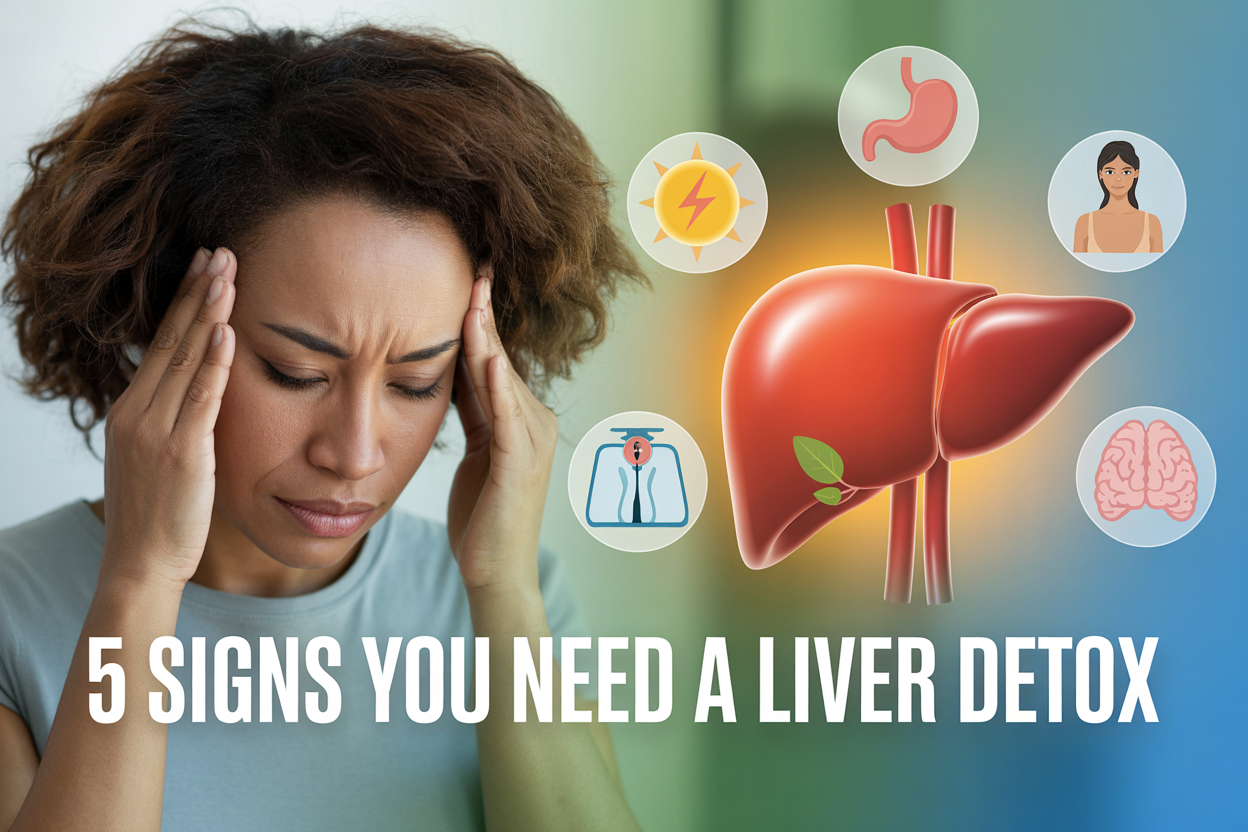
Your liver works around the clock to filter toxins, process nutrients, and keep your body running smoothly. When it becomes overloaded, your body sends clear warning signals that shouldn’t be ignored.
This guide is for anyone experiencing unexplained health issues that might point to liver stress – whether you’re dealing with constant fatigue, digestive problems, or sudden changes in your skin and mood. Recognizing these liver detox signs early can help you take action before minor issues become major health concerns.
We’ll walk through the most common symptoms of liver overload, including persistent fatigue that sleep doesn’t fix, digestive troubles that seem to come out of nowhere, and skin changes that makeup can’t cover up. You’ll also discover how liver stress affects your weight and metabolism, plus the surprising ways it impacts your mental and emotional wellbeing.
By the end, you’ll know exactly what your body is trying to tell you and when it might be time to consider a natural liver cleanse to get back on track.
Table of Contents
- Persistent Fatigue and Low Energy Levels
- Digestive Issues and Abdominal Discomfort
- Skin Problems and Appearance Changes
- Unexplained Weight Gain and Metabolic Issues
- Emotional and Mental Health Warning Signs
- Conclusion
- Frequently Asked Questions (FAQ)
Persistent Fatigue and Low Energy Levels

Chronic tiredness despite adequate sleep
You’re getting your eight hours of sleep, maybe even nine, but you still wake up feeling like you’ve been hit by a truck. Your energy levels don’t bounce back with that first cup of coffee like they used to, and you find yourself dragging through the day no matter how much rest you get. This persistent exhaustion could be one of the most telling liver detox signs your body is sending you.
Your liver works around the clock to filter toxins from your bloodstream, and when it becomes overwhelmed, it can’t perform this crucial function efficiently. Think of your liver as your body’s main processing plant – when it’s backed up with too many toxins to handle, it starts working overtime just to keep up. This extra workload drains your energy reserves, leaving you feeling constantly tired even when you think you’ve had adequate rest.
The quality of your sleep might also be affected when your liver is struggling. You may find yourself waking up frequently during the night or experiencing restless sleep patterns. Your body’s natural detoxification processes happen primarily while you sleep, so an overburdened liver can disrupt these essential nighttime recovery cycles.
Mental fog and difficulty concentrating
That sharp mental clarity you once had feels like a distant memory. You struggle to focus during meetings, forget simple tasks, and feel like you’re thinking through molasses. This brain fog is often one of the most frustrating symptoms of liver overload because it affects every aspect of your daily life.
Your liver plays a crucial role in maintaining stable blood sugar levels and processing nutrients that your brain needs to function optimally. When your liver is overwhelmed with toxins, it can’t effectively regulate these processes, leading to inconsistent energy delivery to your brain. The result is that foggy, unfocused feeling that makes even simple decisions feel overwhelming.
You might notice that your memory isn’t as reliable as it used to be. You walk into rooms and forget why you’re there, struggle to remember names or important details, and find it harder to learn new information. Your brain depends on a steady supply of clean, filtered blood to operate at peak performance, and when your liver can’t keep up with its filtering duties, your cognitive function pays the price.
Physical weakness during daily activities
Simple tasks that never used to phase you now leave you feeling drained and weak. Climbing a flight of stairs has you breathing heavily, carrying groceries feels more challenging, and you find yourself needing frequent breaks during activities you used to handle with ease.
This physical weakness happens because your liver is responsible for storing and releasing glucose for energy, as well as producing proteins that support muscle function. When your liver is working overtime to process toxins, these essential functions take a backseat, leaving your muscles without the proper fuel and support they need.
You might also notice that your endurance has taken a hit. Exercise sessions that used to energize you now leave you feeling completely depleted, and recovery takes much longer than before. Your body’s natural detox systems are so busy trying to process accumulated toxins that they can’t efficiently support your physical activities, making everything feel like you’re carrying extra weight.
The weakness often feels different from normal tiredness after a workout – it’s more of a deep, systemic fatigue that affects your entire body rather than just tired muscles. This type of weakness, combined with persistent fatigue and mental fog, creates a clear pattern that points to your liver needing support through a natural liver cleanse.
Digestive Issues and Abdominal Discomfort

Frequent Bloating and Gas
Your digestive system works hand-in-hand with your liver to process everything you consume. When your liver becomes overwhelmed, you’ll notice persistent bloating that seems to stick around no matter what you eat. This uncomfortable feeling happens because your liver isn’t producing enough bile to break down fats properly, leaving undigested food particles fermenting in your gut.
You might find yourself dealing with embarrassing gas at the worst possible moments, even after eating foods that never bothered you before. This excessive gas production occurs when your compromised liver function disrupts the delicate balance of your digestive ecosystem.
Irregular Bowel Movements
Your bathroom habits reveal more about your liver health than you might realize. When your liver struggles to function optimally, you’ll experience unpredictable bowel movements that swing between constipation and loose stools. This inconsistency stems from inadequate bile production, which your body needs for smooth digestion and regular elimination.
Constipation becomes particularly common when symptoms of liver overload manifest, as your body struggles to process waste efficiently. You might go days without a proper bowel movement, followed by sudden urgency that catches you off guard. These erratic patterns signal that your liver needs support to restore digestive harmony.
Upper Right Abdominal Pain or Tenderness
Pay attention to any discomfort in your upper right abdomen, just below your ribcage. This area houses your liver, and tenderness or aching pain here often indicates your liver is working overtime. You might notice this discomfort becomes more pronounced after eating fatty or processed foods, as your liver struggles to process these challenging substances.
The pain might feel dull and persistent, or it could come and go throughout the day. Some people describe it as a heavy feeling or pressure in that area. Don’t ignore this warning sign – your body is telling you that your liver needs attention and possibly a natural liver cleanse to restore proper function.
Poor Appetite and Nausea
When your liver becomes overloaded, your appetite often disappears, even for foods you typically enjoy. This loss of appetite happens because your liver plays a crucial role in metabolism and nutrient processing. When it’s struggling, your body sends signals that reduce your desire to eat.
Nausea frequently accompanies poor appetite, especially in the morning or after meals. You might feel queasy when you smell certain foods or even think about eating. This combination of symptoms represents one of the clearer liver detox signs that shouldn’t be overlooked. Your body is essentially pressing the pause button on eating while it tries to catch up with processing what’s already in your system.
Skin Problems and Appearance Changes
Yellowing of Skin or Eyes (Jaundice)
When you notice a yellowish tint to your skin or the whites of your eyes, your liver is sending you a serious warning signal. This condition, known as jaundice, happens when bilirubin builds up in your bloodstream because your liver can’t process it properly. You might first spot this yellowing around your eyes or under your fingernails before it becomes more noticeable across your face and body.
Your liver typically breaks down old red blood cells and processes the resulting bilirubin, but when it’s overloaded or struggling to function, this waste product accumulates. This is one of the clearest symptoms of liver overload that requires immediate attention. Don’t ignore this sign – jaundice can indicate your liver needs significant support to restore proper function.
Persistent Acne or Skin Breakouts
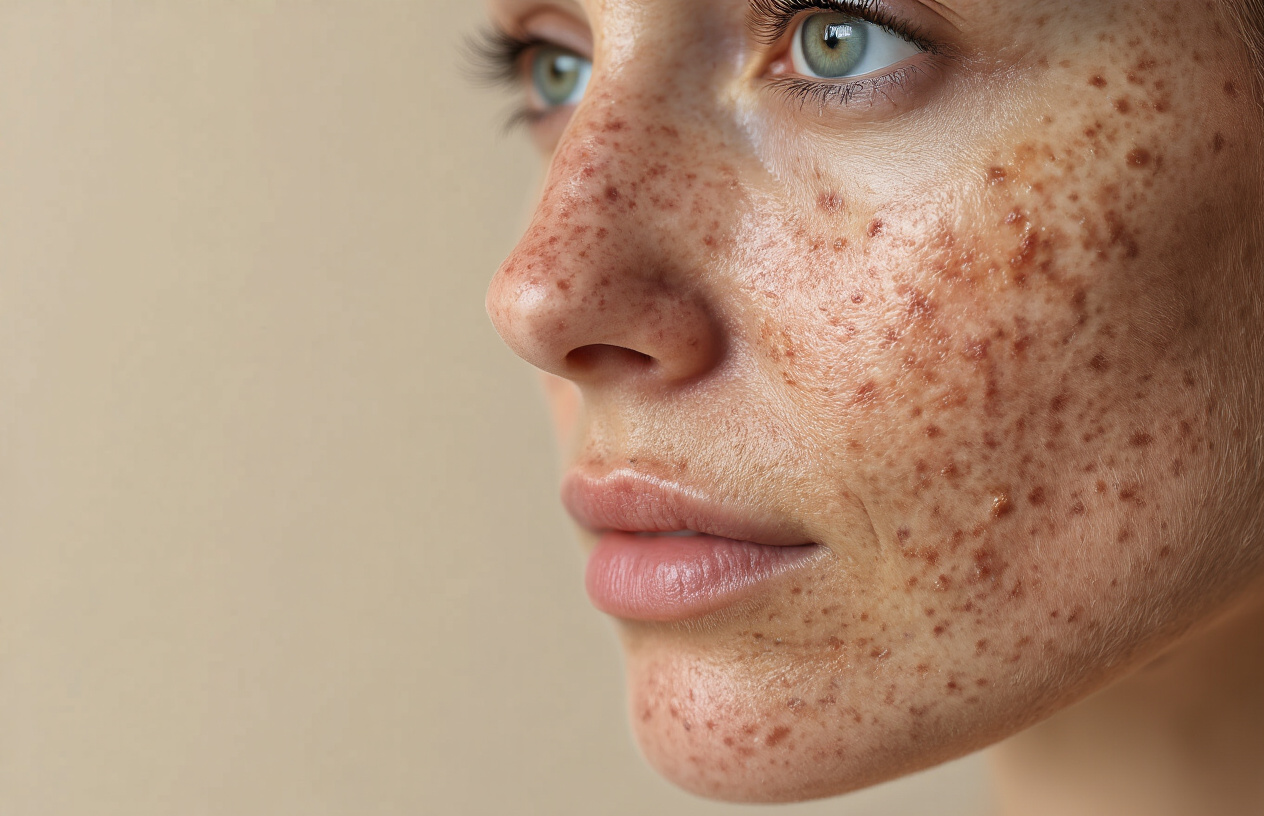
Your skin acts as a backup elimination system when your liver becomes overwhelmed. If you’re experiencing stubborn acne, especially around your jawline and chin, your liver might be struggling to filter toxins effectively. These breakouts often feel different from typical hormonal acne – they’re deeper, more inflamed, and resistant to conventional treatments.
You may notice that your usual skincare routine isn’t working anymore, and breakouts appear in unusual places like your back, chest, or shoulders. This happens because your body is pushing toxins through your pores when your liver can’t keep up with its detoxification workload. Adult acne that suddenly appears or worsens can be your body’s way of telling you it’s time for a natural liver cleanse.
Dark Circles Under the Eyes
Those persistent dark circles under your eyes might not just be from lack of sleep. When your liver is overworked, poor circulation and lymphatic drainage can cause blood to pool under your delicate eye area. You’ll notice these circles are deeper and more pronounced than usual fatigue-related darkness.
Your liver plays a key role in blood filtration and circulation. When it’s not functioning optimally, your entire circulatory system suffers, leading to that tired, hollow-eyed appearance that makeup can’t quite cover. If you’re getting adequate rest but still look perpetually exhausted, your liver might need some extra support.
Itchy or Irritated Skin Conditions
Unexplained itching, rashes, or skin irritation can signal that your liver is having trouble processing toxins. You might experience dry, flaky patches, eczema-like symptoms, or general skin sensitivity that doesn’t respond to topical treatments. This itching often worsens at night and can affect various parts of your body.
Your liver produces bile that helps eliminate waste products, and when this process is compromised, toxins can manifest through your skin. You may also notice increased sensitivity to products you’ve used for years or developing allergic reactions to previously tolerated substances. These liver detox signs indicate your body’s filtration system needs attention to restore healthy, comfortable skin.
Unexplained Weight Gain and Metabolic Issues

Difficulty Losing Weight Despite Diet Efforts
When your liver becomes overwhelmed, losing weight can feel nearly impossible, even when you’re doing everything right. You might be counting calories, exercising regularly, and following the latest diet trends, yet the scale refuses to budge. Your liver plays a crucial role in metabolizing fats and processing toxins, so when it’s struggling, your body holds onto weight as a protective mechanism.
Your liver produces bile, which breaks down dietary fats. When liver function slows down, this process becomes inefficient, causing your body to store more fat instead of burning it for energy. You’ll notice that healthy eating habits that used to work for you no longer deliver the same results, leaving you frustrated and confused about what’s wrong.
The connection between liver health and weight management goes deeper than most people realize. Your liver processes everything from hormones to environmental toxins, and when it’s overloaded, these substances can interfere with your body’s natural weight regulation systems.
Increased Belly Fat Accumulation
Stubborn belly fat that won’t go away, regardless of your efforts, often signals liver overload symptoms. Your midsection becomes the primary storage area for toxins and excess hormones when your liver can’t process them effectively. This type of fat feels different from regular weight gain – it’s often harder, more persistent, and concentrated around your waistline.
You might notice that your clothes fit differently around your middle, even if your weight hasn’t changed dramatically on the scale. This visceral fat accumulation happens because your liver, when overwhelmed, can’t properly metabolize hormones like cortisol and insulin, leading to increased fat storage in your abdominal area.
The frustrating part about liver-related belly fat is that traditional ab exercises and cardio won’t make much difference. Your body is essentially using your midsection as a storage facility for toxins it can’t eliminate properly, making this one of the clearest liver detox signs to watch for.
Blood Sugar Imbalances
Your liver plays a major role in maintaining steady blood sugar levels throughout the day. When it’s not functioning optimally, you’ll experience energy crashes, intense sugar cravings, and difficulty maintaining stable glucose levels. These symptoms of liver overload can make you feel like you’re on an endless roller coaster of energy highs and lows.
You might find yourself craving sweets more often than usual, especially in the afternoon or after meals. Your liver normally stores glucose as glycogen and releases it when your blood sugar drops, but when it’s overwhelmed, this process becomes erratic. The result is unpredictable energy levels that leave you reaching for quick fixes like caffeine or sugary snacks.
Sleep quality often suffers too, as blood sugar fluctuations can wake you up in the middle of the night. You might notice that you wake up around 2-3 AM regularly, which coincides with your liver’s peak detoxification hours when blood sugar regulation becomes even more challenging.
Slow Metabolism Symptoms
A sluggish metabolism affects every aspect of how your body functions, and your liver is central to metabolic processes. When considering a natural liver cleanse, pay attention to signs like feeling cold more often, having less energy throughout the day, and needing more sleep than usual. Your liver processes thyroid hormones, so when it’s overloaded, these hormones can’t work effectively.
Your digestive system slows down too, making you feel heavy and uncomfortable after meals. Food sits in your stomach longer, and you might experience bloating or indigestion more frequently. Your liver produces many of the enzymes needed for proper digestion, so when it’s struggling, your entire digestive process becomes less efficient.
Even your thinking might feel slower or foggier than usual. Your brain relies on steady glucose from your liver and proper toxin elimination to function clearly. When your liver can’t keep up with its workload, mental clarity often becomes one of the first casualties, affecting your productivity and overall quality of life.
Emotional and Mental Health Warning Signs

Increased irritability and mood swings
Your emotional state can serve as a powerful indicator of your liver’s health. When your liver struggles to process toxins effectively, these harmful substances can accumulate in your bloodstream and affect your brain chemistry. You might notice yourself snapping at family members over minor issues or feeling overwhelmed by situations that normally wouldn’t bother you.
The liver plays a crucial role in hormone regulation, particularly estrogen metabolism. When liver function becomes compromised, hormonal imbalances can trigger sudden mood shifts that leave you feeling like you’re on an emotional rollercoaster. You may experience intense frustration followed by periods of sadness, all within a short timeframe.
These symptoms of liver overload often worsen during times of stress or after consuming processed foods, alcohol, or medications that burden your already struggling liver. Pay attention to patterns in your irritability – if you’re consistently more reactive than usual, your liver might be sending you a signal.
Depression or anxiety symptoms
Mental health symptoms can emerge when your liver cannot adequately filter toxins from your system. You might develop feelings of hopelessness, persistent sadness, or overwhelming worry that seems to appear without clear triggers. Your liver detox signs may manifest as cognitive fog, making it difficult to concentrate or make decisions.
Neurotransmitter production relies heavily on proper liver function. When your liver becomes overburdened, it affects the production and regulation of serotonin and dopamine – chemicals essential for mood stability and feelings of well-being. This disruption can lead to depressive episodes or heightened anxiety levels.
The connection between liver health and mental wellness runs deeper than many realize. Your gut-liver-brain axis works together to maintain emotional balance. When this system becomes disrupted due to toxin overload, you may experience panic attacks, social withdrawal, or persistent worry about your health and future.
Sleep disturbances and insomnia
Your liver performs some of its most important detoxification work while you sleep, particularly between 1 AM and 3 AM according to traditional Chinese medicine. When your liver becomes overwhelmed with toxins, this natural cleansing process can become disrupted, leading to frequent wake-ups during these hours.
You might find yourself tossing and turning, unable to fall into deep, restorative sleep phases. Your body temperature regulation can also become affected, causing night sweats or feeling too hot or cold during the night. These sleep pattern disruptions create a vicious cycle – poor sleep further compromises your liver’s ability to detoxify effectively.
Racing thoughts at bedtime often accompany liver-related sleep issues. Your mind might feel hyperactive when you should be winding down, replaying conversations or worrying about tomorrow’s tasks. This mental chatter can be your body’s response to circulating toxins that should have been processed and eliminated during optimal liver function.
Quality sleep becomes elusive when your natural liver cleanse processes are compromised, leaving you feeling tired and irritable the next day, which perpetuates the cycle of emotional and physical symptoms.
Conclusion

Your liver works tirelessly to keep your body clean and functioning properly, but sometimes it needs a helping hand. If you’ve been experiencing persistent fatigue that sleep doesn’t fix, ongoing digestive troubles, skin issues that won’t go away, unexplained weight gain, or mood swings that seem out of nowhere, your liver might be sending you important signals. These warning signs often appear gradually, making them easy to dismiss as everyday stress or normal aging.
Don’t ignore what your body is telling you. Start by making simple changes like drinking more water, eating cleaner foods, and getting better sleep. If these symptoms persist or worsen, reach out to your healthcare provider for proper evaluation. Your liver health affects everything from your energy levels to your mental clarity, so taking action now can help you feel better and protect your long-term wellness. Remember, small steps today can lead to significant improvements in how you feel tomorrow.
📌 Related Read:
Frequently Asked Questions (FAQ)

How Long Does a Natural Liver Cleanse Take?
Your liver detox timeline depends on several factors, including your current health status and the methods you choose. Most people notice initial improvements within 7-14 days of starting a liver cleanse routine. You might experience better energy levels and clearer skin during this period. A comprehensive natural liver cleanse typically takes 30-60 days to show significant results.
During the first week, your body adjusts to dietary changes and begins eliminating stored toxins. You may feel slightly worse before you feel better – this is normal. By week three, most people report improved digestion, better sleep, and increased energy. Full liver regeneration can take several months, so patience is key to seeing lasting results.
Can You Do a Liver Detox at Home?
Absolutely! You can effectively support your liver’s natural detoxification process from home using simple, accessible methods. Start by eliminating processed foods, alcohol, and refined sugars from your diet. Focus on eating liver-supporting foods like leafy greens, cruciferous vegetables, and citrus fruits.
Key home detox strategies include:
- Drinking plenty of filtered water (half your body weight in ounces daily)
- Consuming milk thistle tea or supplements
- Adding turmeric and ginger to your meals
- Getting 7-9 hours of quality sleep
- Practicing stress-reduction techniques
- Taking regular Epsom salt baths
What Foods Should You Avoid During a Liver Detox?
Your food choices directly impact how effectively your liver can process toxins. Certain foods create additional burden on your liver, making it harder to complete its cleansing work. Alcohol tops the list of foods to eliminate completely during any liver cleanse program.
Foods to completely avoid:
- Processed meats and deli items
- Fried and deep-fried foods
- Refined sugars and artificial sweeteners
- White bread and refined grains
- High-sodium packaged foods
- Caffeine (especially coffee and energy drinks)
Foods to limit significantly:
- Red meat (once per week maximum)
- Dairy products
- Gluten-containing grains
- Nightshade vegetables if you’re sensitive
Are There Any Side Effects to Watch For?
You might experience some temporary discomfort as your body releases stored toxins – this is completely normal and actually indicates the process is working. Common symptoms of liver overload during detox include mild headaches, fatigue, skin breakouts, and changes in bowel movements.
Most side effects are mild and resolve within 3-5 days. However, watch for more serious warning signs that require medical attention: severe abdominal pain, persistent vomiting, yellowing of eyes or skin, or dark-colored urine. These could indicate underlying liver problems that need professional evaluation.
To minimize side effects, start your detox gradually rather than making dramatic changes overnight. Increase water intake slowly and introduce new foods one at a time.
When Should You Consult a Healthcare Professional?
If you’re experiencing multiple liver detox signs simultaneously, scheduling a consultation with your doctor is wise. Medical professionals can run specific tests to evaluate your liver function and rule out serious conditions. You definitely need professional guidance if you have existing liver disease, take prescription medications, or have chronic health conditions.
Seek immediate medical care if you develop severe symptoms like intense abdominal pain, persistent nausea, or jaundice. Your liver’s health is too important to ignore concerning symptoms or attempt to self-treat serious conditions.