

Your hormones feel out of whack, and you’re wondering if a hormone detox cleanse might be the answer. You’re not alone – millions of women struggling with mood swings, weight gain, irregular periods, and energy crashes are discovering how environmental toxins mess with their delicate hormonal balance.
This guide is for women who want to naturally reset their hormones without expensive treatments or complicated protocols. Whether you’re dealing with PMS, perimenopause symptoms, or just feel “off,” understanding how liver detox hormones work can be a game-changer for your health.
We’ll explore how everyday toxins disrupt your hormonal system and which specific hormones benefit most from detoxification support. You’ll also discover proven natural hormone reset strategies, including the best detox foods and simple lifestyle changes that reduce your toxic load while supporting healthy hormone production.
Ready to feel like yourself again? Let’s dive into creating your personalized approach to hormonal balance through smart detoxification.
Table of Contents
- Understanding the Connection Between Toxins and Hormonal Imbalances
- Identifying Key Hormones That Benefit from Detoxification
- Natural Detox Methods That Support Hormonal Health
- Essential Foods and Nutrients for Hormone-Balancing Detox
- Lifestyle Changes That Reduce Toxic Load and Support Hormones
- Creating Your Personalized Hormone-Balancing Detox Plan
- Conclusion
- Frequently Asked Questions
- How long does a hormone detox cleanse typically take to show results?
- Can I do a liver detox for hormones while taking birth control?
- What’s the difference between a natural hormone reset and conventional hormone therapy?
- Are there any side effects to expect during hormone detoxification?
- How often should I do a hormone-balancing detox?
- Can men benefit from hormone detox protocols too?
Understanding the Connection Between Toxins and Hormonal Imbalances
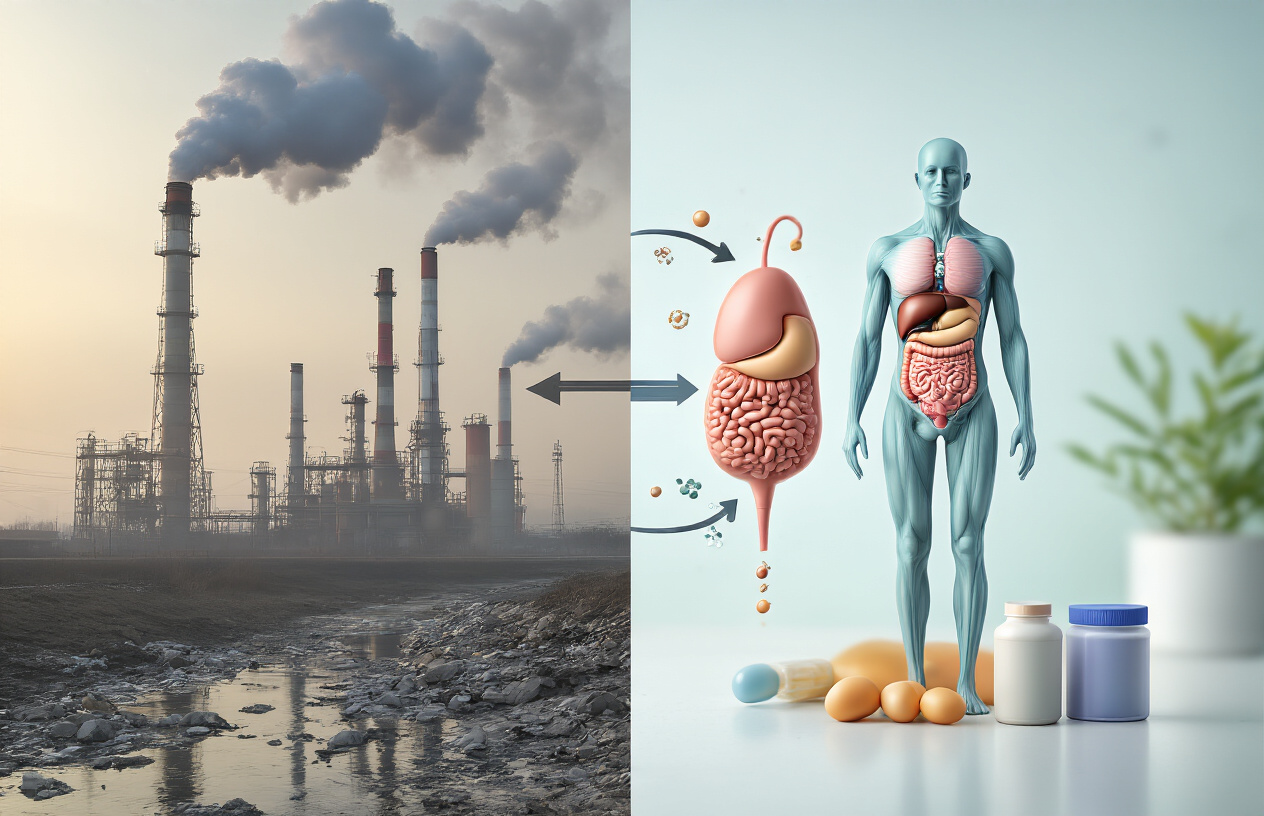
How environmental toxins disrupt your endocrine system
Your endocrine system works like a finely tuned orchestra, with hormones acting as chemical messengers that keep everything in harmony. When environmental toxins enter the picture, they throw this delicate balance completely out of whack. These harmful substances act as hormone mimics, blocking natural hormone production or interfering with hormone receptors throughout your body.
Xenoestrogens, synthetic chemicals that mimic estrogen, are particularly problematic. They bind to estrogen receptors and send false signals, leading to estrogen dominance and a cascade of hormonal issues. Your liver, the body’s primary detox organ, becomes overwhelmed trying to process these foreign invaders while simultaneously managing your natural hormone metabolism.
Endocrine disrupting chemicals (EDCs) don’t just affect one hormone – they create a domino effect. When your thyroid hormones get disrupted, your metabolism slows down. When cortisol production goes haywire, your stress response becomes chronic. When insulin sensitivity decreases, your blood sugar becomes unstable. This interconnected web means that toxic exposure rarely affects just one aspect of your hormonal health.
The timing of exposure matters too. Your endocrine system is most vulnerable during critical developmental windows – puberty, pregnancy, and menopause. During these periods, even small amounts of toxins can have lasting effects on hormone production and regulation.
Common hormone disruptors hiding in your daily routine
You’re exposed to hormone-disrupting chemicals more often than you realize. Plastic water bottles and food containers release bisphenol A (BPA) and phthalates directly into what you consume. That “new car smell” or fresh paint odor contains volatile organic compounds that interfere with your hormonal balance.
Your beauty routine is a major source of daily toxin exposure. Conventional shampoos, lotions, and cosmetics contain parabens, sulfates, and synthetic fragrances that penetrate your skin and accumulate in your system. Even your “unscented” products often contain masking fragrances that disrupt hormones.
Household cleaning products present another hidden danger. Conventional cleaners contain chemicals like triclosan, which disrupts thyroid function, and nonylphenol ethoxylates that act as estrogen mimics. Air fresheners and fabric softeners release phthalates continuously into your home environment.
Your food choices matter tremendously for hormone health. Conventionally grown produce carries pesticide residues that act as endocrine disruptors. Processed foods contain artificial preservatives, colorings, and flavor enhancers that interfere with natural hormone production. Non-stick cookware releases perfluorinated compounds (PFCs) that accumulate in your tissues and disrupt multiple hormone systems.
| Common Sources | Hormone Disruptors | Primary Effects |
|---|---|---|
| Plastic containers | BPA, Phthalates | Estrogen disruption, reproductive issues |
| Personal care products | Parabens, Sulfates | Thyroid interference, skin absorption |
| Cleaning supplies | Triclosan, Phenols | Antimicrobial resistance, hormone mimicking |
| Conventional food | Pesticides, Preservatives | Multiple hormone disruption |
Signs your hormones are being affected by toxic overload
Your body sends clear signals when toxic burden is disrupting your hormonal balance. Unexplained weight gain, especially around your midsection, often indicates that toxins are interfering with your metabolism and insulin sensitivity. When your liver detox hormones become overwhelmed, fat storage increases as your body tries to protect vital organs from circulating toxins.
Sleep disturbances and chronic fatigue are telltale signs of hormonal disruption. Toxins interfere with melatonin production and cortisol rhythm, leaving you wired at night and exhausted during the day. Your natural circadian rhythm becomes dysregulated, creating a vicious cycle of poor sleep and increased toxic sensitivity.
Mood swings, anxiety, and depression often reflect the connection between toxic load and neurotransmitter production. Many environmental toxins cross the blood-brain barrier and interfere with serotonin, dopamine, and GABA production. When these feel-good chemicals become depleted, emotional stability suffers.
Reproductive health issues frequently signal toxic interference with sex hormones. Irregular periods, PMS symptoms, fertility challenges, and decreased libido all point to endocrine disruption. For men, low testosterone, erectile dysfunction, and decreased sperm quality often correlate with toxic exposure levels.
Skin problems like adult acne, unexplained rashes, and premature aging indicate that your body’s detoxification pathways are struggling. When your liver can’t efficiently process toxins, your skin becomes a secondary elimination organ, leading to various dermatological issues.
Digestive problems including bloating, constipation, and food sensitivities suggest that toxic overload is affecting gut health and hormone production. Your digestive system produces several important hormones, and when gut bacteria become imbalanced due to toxin exposure, hormone synthesis suffers throughout your entire body.
Identifying Key Hormones That Benefit from Detoxification
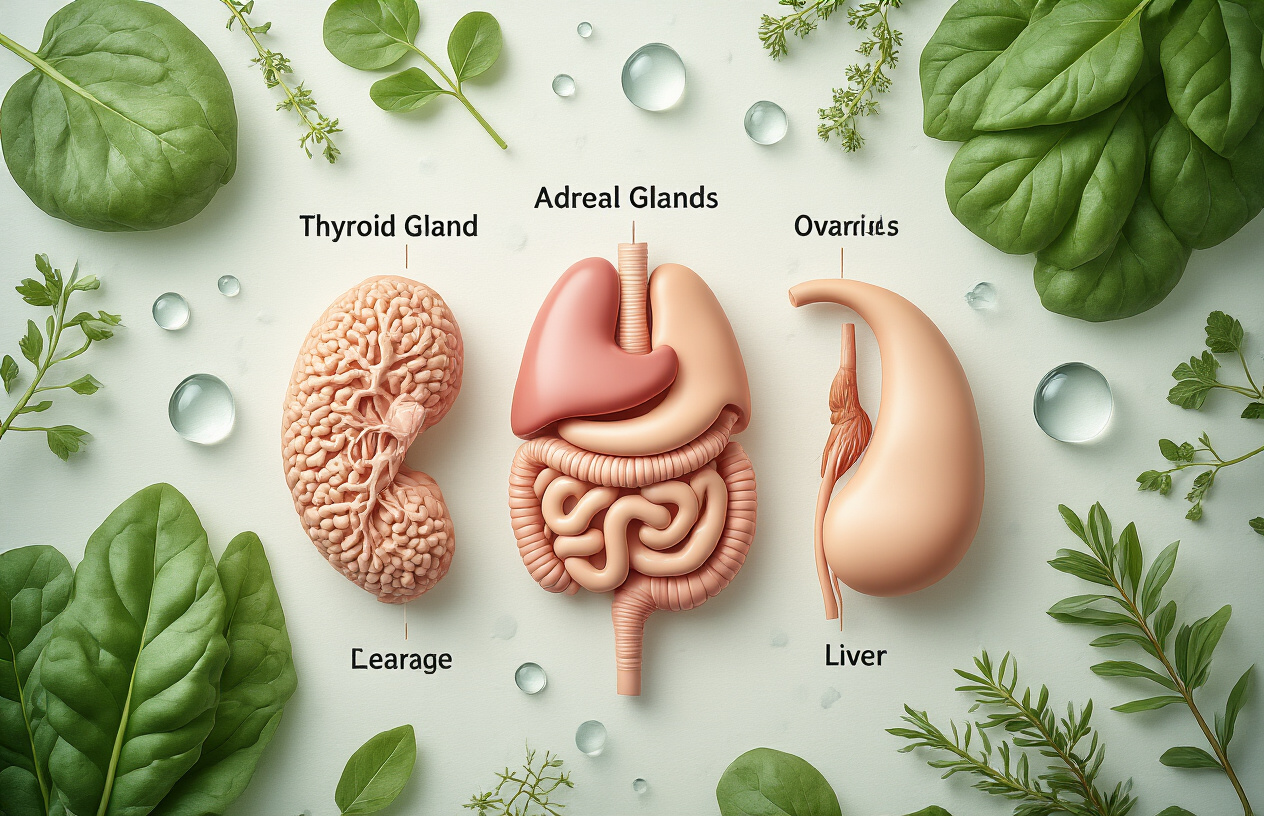
Estrogen Metabolism and Liver Detox Pathways
Your liver plays a starring role in breaking down estrogen, and when this liver detox hormones process gets sluggish, problems start piling up. Estrogen gets metabolized through two main pathways in your liver – Phase I and Phase II detoxification. During Phase I, enzymes convert estrogen into metabolites, some of which can be problematic if they stick around too long.
The real magic happens in Phase II, where these metabolites get packaged up for elimination through bile and eventually out of your body. When your liver is overwhelmed with toxins from pesticides, plastics, and processed foods, this natural hormone detox cleanse process slows down dramatically. Estrogen metabolites can recirculate, leading to symptoms like heavy periods, breast tenderness, mood swings, and stubborn weight gain.
Supporting your liver’s detox pathways means eating sulfur-rich foods like broccoli and cabbage, staying hydrated, and reducing your toxic load. Your liver needs specific nutrients – particularly B vitamins, magnesium, and glutathione – to keep these pathways humming along smoothly.
Cortisol Regulation Through Stress and Toxin Reduction
Cortisol, your primary stress hormone, doesn’t just respond to deadline pressures and relationship drama. Chemical toxins create a constant state of internal stress that keeps your adrenal glands pumping out cortisol around the clock. This creates a vicious cycle where high cortisol makes it harder for your liver to process toxins effectively.
Environmental chemicals like BPA, phthalates, and heavy metals act as endocrine disruptors, sending mixed signals to your stress response system. Your body can’t tell the difference between a saber-tooth tiger and a toxic chemical – both trigger cortisol release. Chronic elevation leads to blood sugar imbalances, sleep problems, anxiety, and that stubborn belly fat that won’t budge.
Reducing your toxic exposure while supporting your adrenals with adaptogenic herbs like ashwagandha and rhodiola can help break this cycle. Regular detox practices give your adrenals a chance to reset and function normally again.
Thyroid Function Optimization Via Chemical Elimination
Your thyroid is incredibly sensitive to chemical interference, and certain toxins can wreak havoc on every aspect of thyroid function. Fluoride, chlorine, and bromine – all halides – compete with iodine for uptake in your thyroid gland. When these chemicals win the competition, your thyroid can’t produce adequate hormones.
Heavy metals like mercury and lead interfere with the conversion of T4 to the active T3 hormone. Pesticides and plastics can block thyroid hormone receptors on your cells, so even if you’re producing enough hormones, they can’t do their job effectively. This explains why some people have “normal” thyroid labs but still experience fatigue, hair loss, and weight gain.
PCBs (polychlorinated biphenyls) and dioxins are particularly problematic because they persist in fatty tissues and continuously disrupt thyroid function. A targeted natural hormone reset approach that eliminates these chemicals while supporting thyroid health with selenium, zinc, and tyrosine can restore optimal function.
Insulin Sensitivity Improvements From Clean Living
Insulin resistance doesn’t just happen from eating too much sugar – environmental toxins play a major role in disrupting your blood sugar control. Persistent organic pollutants (POPs) accumulate in fat cells and interfere with insulin signaling pathways. These chemicals essentially make your cells deaf to insulin’s messages.
BPA exposure, even at low levels, can trigger insulin resistance within hours. Organochlorines from pesticides alter glucose metabolism and increase diabetes risk. Heavy metals like arsenic and cadmium damage pancreatic beta cells that produce insulin.
The good news? Studies show that reducing toxic load through detoxification can significantly improve insulin sensitivity. People who follow clean eating protocols and reduce chemical exposure often see dramatic improvements in blood sugar control, energy levels, and weight management. Supporting your body’s natural detox pathways while minimizing new toxic exposures creates the perfect environment for insulin to work properly again.
Natural Detox Methods That Support Hormonal Health

Liver-supporting foods that enhance hormone processing
Your liver works as your body’s primary detox powerhouse, breaking down excess hormones and removing them from circulation. When your liver functions optimally, it prevents hormone buildup that can lead to imbalances affecting everything from your mood to your metabolism.
Cruciferous vegetables like broccoli, Brussels sprouts, and cauliflower contain compounds called indole-3-carbinol and sulforaphane that directly support liver detox pathways. These nutrients help your liver process estrogen more effectively, preventing estrogen dominance that can cause weight gain, mood swings, and irregular cycles.
Milk thistle stands out as a liver detox champion, containing silymarin that protects liver cells while enhancing their ability to break down hormones. Taking 200-300mg daily can significantly boost your liver’s hormone-processing capacity.
Green tea provides powerful antioxidants called catechins that support phase II liver detoxification – the process where your liver makes hormones water-soluble for elimination. Drinking 2-3 cups daily provides optimal benefits for your hormone detox cleanse.
Garlic and onions supply sulfur compounds that fuel your liver’s glutathione production. Glutathione acts as your body’s master antioxidant, protecting your liver while it works to clear excess hormones from your system.
Gut health restoration for better hormone absorption
Your gut houses roughly 70% of your immune system and plays a crucial role in hormone balance. A healthy gut microbiome helps metabolize hormones properly while an unhealthy gut can reactivate hormones that should be eliminated, sending them back into circulation.
Beneficial bacteria in your gut produce an enzyme called beta-glucuronidase. When your gut bacteria are balanced, this enzyme works correctly to help eliminate used hormones. But when harmful bacteria overgrow, they produce too much beta-glucuronidase, causing hormones to be reabsorbed rather than eliminated.
Probiotic-rich foods like sauerkraut, kimchi, and kefir introduce beneficial bacteria that support proper hormone metabolism. Aim for at least one serving daily of fermented foods to maintain optimal gut flora balance.
Prebiotic fibers feed your good bacteria, helping them thrive. Foods like asparagus, Jerusalem artichokes, and garlic provide the fuel your beneficial microbes need to support hormone processing.
Bone broth supplies amino acids like glycine and glutamine that heal the gut lining. A healthy gut barrier prevents toxins from entering your bloodstream where they can disrupt hormone function.
Lymphatic system activation techniques
Your lymphatic system acts as your body’s drainage network, collecting waste products and toxins for elimination. Unlike your circulatory system, your lymphatic system doesn’t have a pump, so it relies on movement and manual stimulation to function effectively.
Dry brushing stimulates lymphatic flow while removing dead skin cells that can harbor toxins. Using a natural bristle brush, stroke toward your heart before showering. Start at your feet and work upward, spending extra time on areas with dense lymph nodes like your armpits and groin.
Rebounding on a mini-trampoline creates the perfect up-and-down motion to pump your lymphatic system. Just 10-15 minutes of gentle bouncing can significantly increase lymphatic circulation and support your natural hormone reset process.
Deep breathing exercises activate your lymphatic system through diaphragm movement. Practice box breathing – inhaling for 4 counts, holding for 4, exhaling for 4, and holding empty for 4. This simple technique can be done anywhere and immediately boosts lymphatic flow.
Massage, particularly manual lymphatic drainage, manually moves lymph fluid toward elimination points. Even self-massage using gentle circular motions can help reduce lymphatic congestion that may interfere with hormone balance.
Hydration strategies for optimal toxin elimination
Water serves as the vehicle for toxin elimination, carrying waste products through your kidneys, liver, and lymphatic system. Without adequate hydration, these detox pathways slow down, allowing toxins to accumulate and disrupt hormone function.
Drink half your body weight in ounces daily as a baseline. If you weigh 140 pounds, aim for 70 ounces of water throughout the day. During active detox periods, increase this amount to support enhanced elimination.
Add lemon to your morning water to stimulate liver detox enzymes and provide vitamin C that supports hormone synthesis. The citric acid in lemon also helps your body absorb minerals more effectively.
Herbal teas count toward your fluid intake while providing additional detox support. Dandelion root tea supports liver function, while nettle tea provides minerals that support hormone production.
Electrolyte balance matters as much as water quantity. Add a pinch of sea salt to your water or include electrolyte-rich foods like coconut water to ensure proper cellular hydration that supports all detox processes.
Sleep optimization for natural detox cycles
Your body performs its most intensive detox work while you sleep. During deep sleep stages, your brain’s glymphatic system clears metabolic waste, while your liver processes hormones and toxins most efficiently.
Your natural hormone production follows circadian rhythms that depend on quality sleep. Growth hormone, which supports detox and cellular repair, is primarily released during the first few hours of sleep. Melatonin, produced in darkness, acts as a powerful antioxidant supporting your liver detox hormones.
Create a sleep sanctuary by keeping your bedroom cool (65-68°F), completely dark, and quiet. Blue light from screens disrupts melatonin production, so power down electronics at least one hour before bed.
Establish a consistent sleep schedule, going to bed and waking up at the same time daily. This regularity supports your circadian rhythms and optimizes your body’s natural detox timing.
Avoid eating large meals within three hours of bedtime. Late-night eating forces your liver to focus on digestion rather than detoxification, reducing its ability to process hormones effectively during sleep.
Essential Foods and Nutrients for Hormone-Balancing Detox
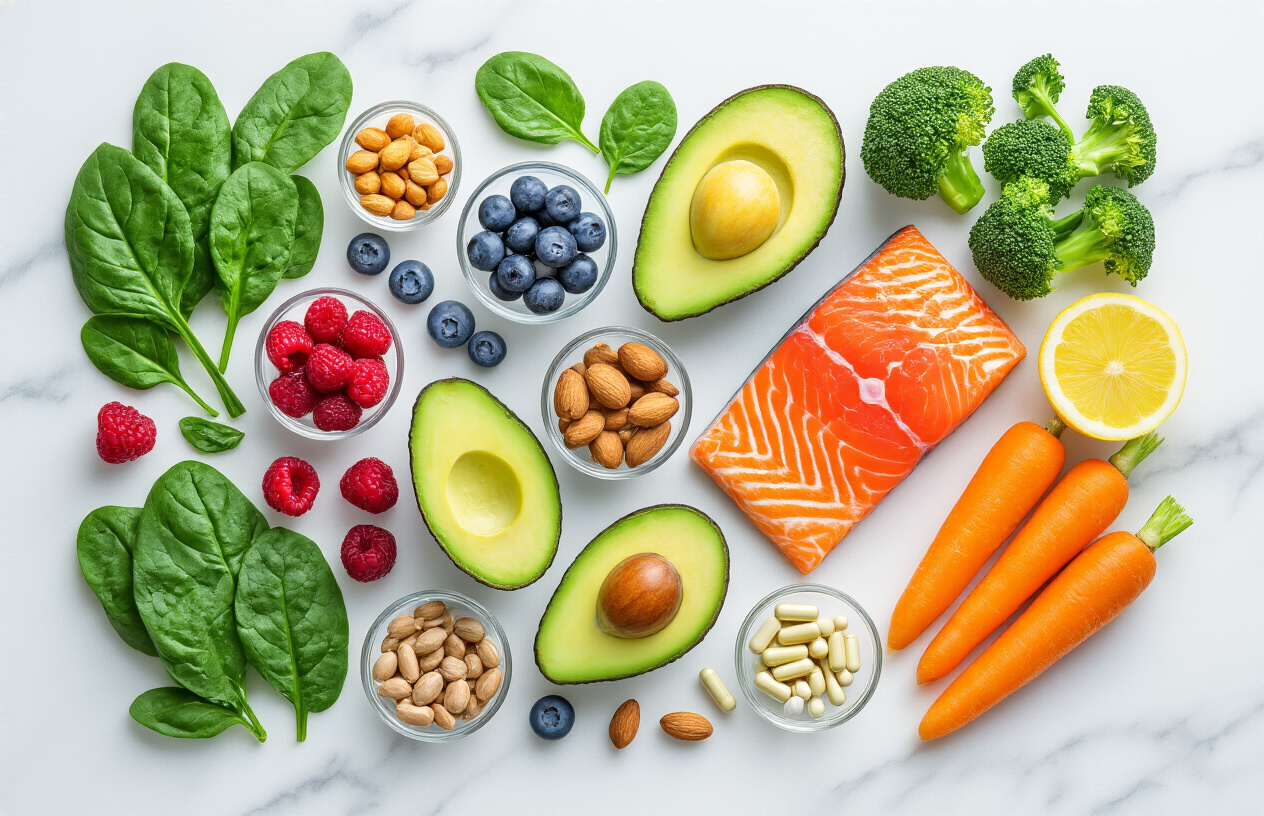
Cruciferous Vegetables for Estrogen Metabolism
Cruciferous vegetables stand as powerhouses in supporting healthy estrogen metabolism and are essential components of any effective hormone detox cleanse. These nutrient-dense vegetables contain unique compounds called indole-3-carbinol (I3C) and diindolylmethane (DIM) that specifically support your liver’s ability to process and eliminate excess estrogen.
Broccoli, cauliflower, Brussels sprouts, kale, and cabbage top the list of estrogen-metabolizing champions. When you consume these vegetables regularly, they activate specific liver enzymes that convert harmful estrogen metabolites into less toxic forms that your body can easily eliminate. This process becomes especially important when environmental toxins disrupt your natural hormone balance.
Raw or lightly steamed cruciferous vegetables retain the highest concentration of these beneficial compounds. Aim for at least one serving daily, rotating between different varieties to maximize nutrient diversity. Sprouted broccoli seeds contain up to 50 times more sulforaphane than mature broccoli, making them an excellent addition to smoothies or salads.
For optimal results in your liver detox hormones protocol, pair cruciferous vegetables with healthy fats like avocado or olive oil to enhance absorption of fat-soluble vitamins and support overall hormone production.
Antioxidant-Rich Foods That Protect Hormone Receptors
Your hormone receptors face constant assault from free radicals and environmental toxins that can damage their structure and impair function. Antioxidant-rich foods create a protective shield around these delicate receptors while supporting your body’s natural hormone reset mechanisms.
Berries lead the antioxidant category with their high concentrations of anthocyanins and vitamin C. Blueberries, blackberries, and raspberries contain compounds that specifically protect estrogen and progesterone receptors from oxidative damage. These same antioxidants support liver function and enhance the detoxification pathways essential for hormone balance.
Dark leafy greens like spinach, arugula, and Swiss chard provide powerful antioxidants including vitamin E, beta-carotene, and glutathione precursors. These nutrients work synergistically to maintain receptor sensitivity and support cellular repair processes.
Colorful vegetables and fruits contain different antioxidant profiles, so variety is key. Red bell peppers, purple cabbage, orange sweet potatoes, and yellow squash each contribute unique protective compounds. Green tea deserves special mention for its catechins that support liver detoxification while protecting hormone receptors from inflammatory damage.
Nuts and seeds, particularly walnuts, almonds, and pumpkin seeds, provide vitamin E and selenium that work as cellular protectors. These foods also supply healthy fats necessary for hormone production and absorption of fat-soluble vitamins.
Fiber Sources That Bind and Eliminate Excess Hormones
Adequate fiber intake plays a crucial role in hormone elimination by binding excess hormones in the digestive tract and facilitating their removal from the body. Without sufficient fiber, these hormones get reabsorbed back into circulation, potentially contributing to hormonal imbalances.
Soluble fiber from sources like apples, pears, oats, and beans forms a gel-like substance in your intestines that effectively traps excess estrogen and other hormones. This binding action prevents reabsorption and ensures these hormones exit your system rather than recirculating.
Insoluble fiber from vegetables, whole grains, and legumes adds bulk to stool and speeds transit time through the intestines. Faster elimination means less time for hormone reabsorption and reduced exposure to potentially harmful metabolites.
Flaxseeds deserve special recognition for their dual benefits – they provide both fiber and lignans that support healthy estrogen metabolism. Ground flaxseeds work more effectively than whole seeds, as grinding breaks down the tough outer shell and makes nutrients more bioavailable.
Aim for 25-35 grams of fiber daily from varied sources. Chia seeds, psyllium husk, and artichokes provide exceptional fiber density. Beans and lentils contribute both fiber and protein while supporting liver detoxification processes.
Daily Fiber Targets by Food Category:
| Food Category | Daily Serving | Fiber Content |
|---|---|---|
| Vegetables | 3-4 cups | 10-15g |
| Fruits | 2-3 servings | 6-10g |
| Whole grains | 2-3 servings | 6-9g |
| Legumes | 1/2 cup | 6-8g |
| Nuts/seeds | 1-2 tablespoons | 2-4g |
Increase fiber gradually to avoid digestive discomfort, and drink plenty of water to support the binding and elimination process. This combination creates an optimal environment for your natural hormone reset while supporting overall digestive health.
Lifestyle Changes That Reduce Toxic Load and Support Hormones
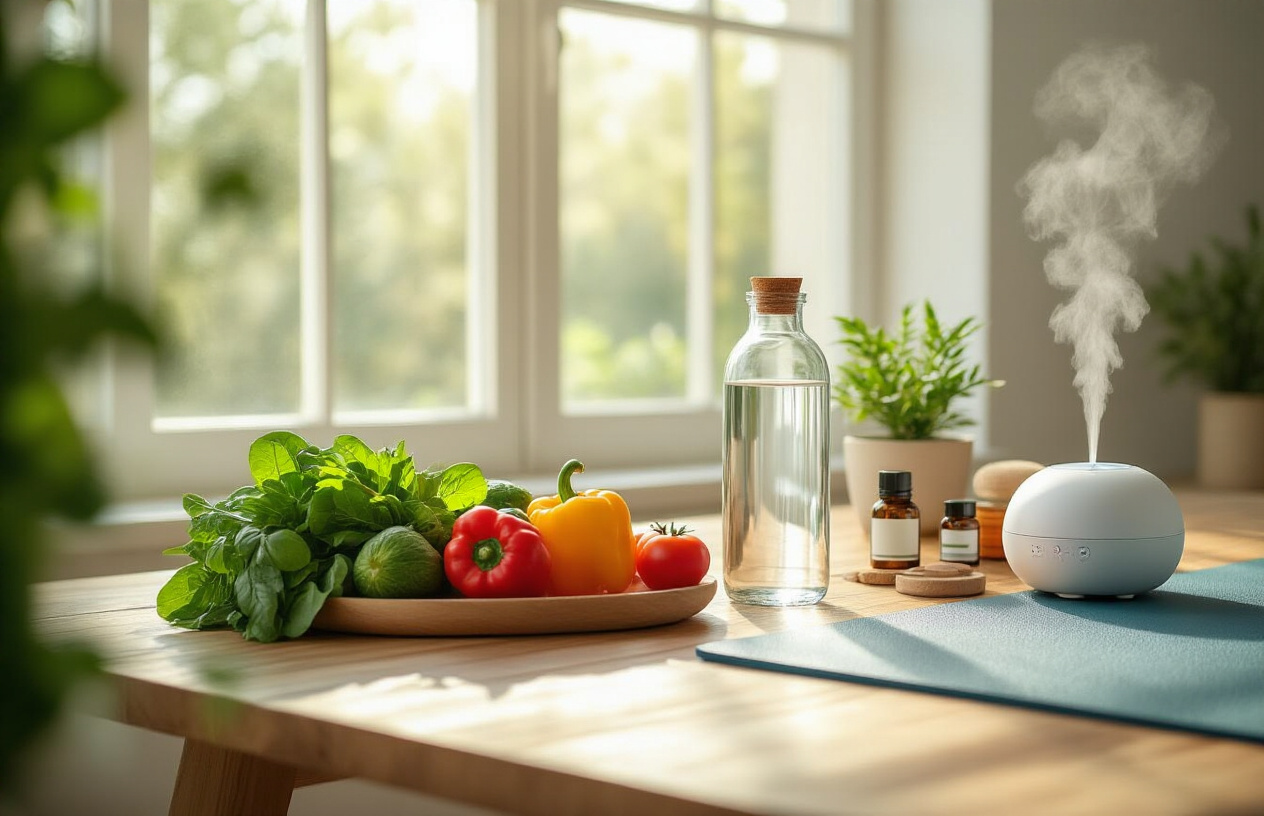
Clean Beauty and Personal Care Product Swaps
Your daily beauty routine might be sabotaging your hormone detox cleanse without you realizing it. Many conventional products contain endocrine disruptors like parabens, phthalates, and synthetic fragrances that interfere with your body’s natural hormone production.
Start by replacing your skincare basics with cleaner alternatives. Choose moisturizers and cleansers with simple ingredient lists – look for products containing natural oils like jojoba, argan, or coconut oil instead of synthetic chemicals. For makeup, mineral-based foundations and lip products free from lead and other heavy metals support your natural hormone reset efforts.
Your shampoo and conditioner deserve attention too. Sulfates and silicones can disrupt your scalp’s natural balance and contain chemicals that your skin absorbs. Switch to sulfate-free options with botanical ingredients like aloe vera, chamomile, or rosemary extract.
Deodorant presents one of the biggest opportunities for improvement. Aluminum-based antiperspirants block your body’s natural detox process through sweating. Natural deodorants using baking soda, arrowroot powder, or magnesium allow your lymphatic system to function properly while keeping you fresh.
Don’t forget about nail polish and perfume. Traditional formulas contain toluene, formaldehyde, and synthetic musks that accumulate in your system over time. Water-based nail polishes and essential oil-based perfumes offer safer alternatives that won’t interfere with your liver detox hormones process.
Creating a Toxin-Free Home Environment
Your living space plays a crucial role in supporting hormonal balance through reduced chemical exposure. Indoor air quality directly impacts your body’s ability to process toxins and maintain healthy hormone levels.
Replace conventional cleaning products with simple alternatives you probably already have at home. White vinegar, baking soda, and castile soap clean effectively without leaving chemical residues that your family breathes daily. Essential oils like tea tree, lavender, and lemon add natural antimicrobial properties while creating a pleasant scent.
Air fresheners and scented candles often contain phthalates and volatile organic compounds that disrupt endocrine function. Instead, open windows regularly for natural ventilation, use houseplants like snake plants or pothos to filter air naturally, and burn pure beeswax or soy candles when you want ambiance.
Your bedroom environment particularly affects hormone production since your body repairs and rebalances during sleep. Choose organic cotton sheets and pillowcases to reduce pesticide exposure, and consider a natural latex or organic cotton mattress if replacement is needed. Remove electronics or use blue light blocking glasses in the evening to support natural melatonin production.
Kitchen upgrades support your hormone detox cleanse by reducing daily toxic exposure. Replace non-stick cookware with stainless steel, cast iron, or ceramic options. Store food in glass containers instead of plastic, especially for leftovers and meal prep. Water filtration removes chlorine, fluoride, and other chemicals that burden your detox pathways.
Stress Management Techniques That Prevent Hormone Disruption
Chronic stress wreaks havoc on your hormonal system by constantly elevating cortisol levels, which throws other hormones out of balance. Managing stress becomes essential for any successful natural hormone reset.
Deep breathing exercises offer immediate relief and can be done anywhere. Try the 4-7-8 technique: inhale for 4 counts, hold for 7, exhale for 8. This activates your parasympathetic nervous system, signaling your body to shift from stress mode to rest and repair mode where hormone production normalizes.
Regular meditation, even just 10 minutes daily, measurably reduces cortisol levels and improves insulin sensitivity. Apps like Headspace or Calm provide guided sessions, but simple focused breathing or body scanning works just as effectively. Find a quiet spot, sit comfortably, and observe your thoughts without judgment.
Sleep quality directly impacts hormone production, particularly growth hormone and leptin. Create a consistent bedtime routine that includes dimming lights an hour before sleep, keeping your bedroom cool (around 65-68°F), and avoiding screens. Your body produces most of its detoxifying growth hormone during deep sleep phases.
Journaling helps process daily stress and prevents it from accumulating in your system. Spend five minutes each evening writing about your day, focusing on what went well and what challenged you. This practice helps your mind release concerns instead of cycling through them during sleep hours.
Nature exposure naturally reduces stress hormones while supporting your body’s circadian rhythms. Even 20 minutes outdoors, whether walking in a park or sitting in your backyard, can lower cortisol and boost mood-regulating neurotransmitters.
Exercise Routines That Boost Natural Detoxification
Movement supports your body’s natural detox systems by increasing circulation, promoting lymphatic drainage, and enhancing your liver’s ability to process toxins and balance hormones.
Sweating through exercise helps eliminate toxins through your skin while supporting your liver detox hormones process. Choose activities you enjoy – dancing, hiking, swimming, or strength training all provide benefits. The key is consistency rather than intensity. Aim for 30 minutes of movement most days rather than occasional marathon workout sessions.
Yoga particularly benefits hormonal health by combining gentle movement with stress reduction. Poses that compress and release your abdomen, like twists and forward folds, massage internal organs and support digestive detox. Inversions like legs up the wall pose encourage lymphatic drainage and help reset your nervous system.
Strength training builds lean muscle mass, which increases your metabolic rate and improves insulin sensitivity. You don’t need a gym membership – bodyweight exercises like squats, push-ups, and planks effectively build strength. Resistance bands or dumbbells add variety and progression to home workouts.
Walking often gets overlooked, but it’s one of the most effective gentle detox activities. Morning walks in sunlight help regulate circadian rhythms and support natural cortisol patterns. Evening walks aid digestion and help your body transition into rest mode for optimal nighttime hormone production.
High-intensity interval training (HIIT) efficiently boosts metabolism and growth hormone production, but limit these sessions to 2-3 times per week. Too much intense exercise can increase cortisol and counteract your hormone balancing efforts. Listen to your body and prioritize recovery between challenging workouts.
Creating Your Personalized Hormone-Balancing Detox Plan

Assessing your individual toxic exposure levels
Your toxic exposure is as unique as your fingerprint. Start by conducting a simple toxin audit of your daily environment. Walk through your home and identify potential hormone disruptors hiding in plain sight – plastic containers in your kitchen, synthetic air fresheners, conventional cleaning products, and personal care items loaded with parabens and phthalates.
Take inventory of your lifestyle habits too. How often do you eat conventionally grown produce? Do you drink tap water or filter it? What’s your stress level like? Sleep quality matters because poor sleep disrupts your body’s natural detoxification processes.
Consider getting laboratory tests to establish your baseline. Heavy metal panels, organic acid tests, and comprehensive metabolic panels can reveal specific toxins affecting your system. Many functional medicine practitioners offer targeted testing that shows exactly which toxins are interfering with your hormonal pathways.
Don’t forget about your work environment and commute. Office buildings often contain formaldehyde from furniture and carpets, while daily traffic exposure adds to your toxic load. Even seemingly harmless activities like getting manicures or dry cleaning clothes contribute to your overall burden.
Document everything for two weeks – what you eat, where you go, products you use, and how you feel. This creates a clear picture of your personal toxic exposure patterns and helps prioritize which areas need attention first during your hormone detox cleanse.
Timing your detox for optimal hormonal benefits
Women should align their detox timing with their menstrual cycle for maximum effectiveness. The follicular phase (days 1-14) offers the best window for intensive detoxification because estrogen levels naturally support liver function during this time. Your energy levels are typically higher, making it easier to stick with dietary changes and increased exercise.
Avoid starting a liver detox hormones program during your luteal phase (days 15-28) when progesterone dominates. Your body naturally craves comfort foods and experiences lower energy levels, making detox protocols more challenging to maintain.
Men and post-menopausal women have more flexibility with timing but should still consider seasonal factors. Spring naturally aligns with detoxification – your body craves lighter foods and increased activity after winter months. Starting your natural hormone reset during this time works with your biological rhythms rather than against them.
Consider your work and social schedule too. Choose a period with fewer social obligations, business trips, or high-stress deadlines. Detox requires mental bandwidth and consistency that’s difficult to maintain during chaotic periods.
Pay attention to your current stress levels before beginning. High cortisol from chronic stress actually impairs detoxification pathways. If you’re in a particularly stressful season, focus on stress reduction techniques first, then layer in detox protocols once your nervous system has calmed down.
Monitoring progress through hormone markers
Track your progress using both subjective and objective measures. Start a daily symptom journal noting energy levels, mood stability, sleep quality, skin clarity, digestive function, and menstrual regularity. These daily observations often show improvements before laboratory markers change.
Key hormone markers to test include estradiol, progesterone, testosterone, cortisol, thyroid hormones (TSH, T3, T4), and insulin. Test these before starting your detox protocol and again after 3-6 months to measure objective improvements.
Don’t rely solely on standard reference ranges – optimal ranges for hormonal health are often narrower than laboratory normals. Work with a practitioner familiar with functional medicine ranges who can interpret your results in the context of your symptoms and overall health picture.
| Hormone | Optimal Range (not just normal) | Key Indicators |
|---|---|---|
| Estradiol | 100-200 pg/mL (follicular phase) | Mood, energy, skin health |
| Progesterone | 15+ ng/mL (luteal phase) | Sleep, anxiety, cycle regularity |
| Cortisol | Morning: 13-24 μg/dL | Stress response, energy patterns |
| Thyroid T3 | Upper third of range | Metabolism, temperature, energy |
Additional markers that reflect detoxification efficiency include liver enzymes (ALT, AST), inflammatory markers (CRP, homocysteine), and nutrient levels like B vitamins and magnesium. These show how well your detox pathways are functioning.
Long-term maintenance strategies for sustained balance
Sustainable hormone balance requires shifting from short-term detox protocols to long-term lifestyle practices. Create daily habits that naturally support your body’s detoxification systems rather than relying on periodic intensive cleanses.
Establish a morning routine that kickstarts detoxification – drink lemon water upon waking, dry brush your skin before showering, and include movement that makes you sweat. These simple practices support lymphatic drainage and liver function every single day.
Build detox-supporting foods into your regular meal rotation. Cruciferous vegetables like broccoli and cauliflower contain compounds that help metabolize excess hormones. Fiber-rich foods ensure regular bowel movements, preventing hormone recycling through the digestive system.
Create toxin-free zones in your home gradually. Replace cleaning products with simple ingredients like vinegar and baking soda. Switch to glass food storage containers. Choose organic versions of the dirty dozen produce items. Small changes compound over time without overwhelming your budget or schedule.
Stress management becomes non-negotiable for long-term hormonal health. Chronic stress disrupts every hormone in your body and impairs detoxification pathways. Find stress-reduction practices you actually enjoy – whether that’s yoga, hiking, meditation, or dancing – and prioritize them like any other health appointment.
Regular movement remains essential but doesn’t require intense gym sessions. Walking, swimming, and yoga all support lymphatic circulation and hormone metabolism. The key is consistency rather than intensity – your body detoxifies more effectively with regular gentle movement than sporadic intense workouts.
Schedule regular check-ins with yourself every three months. Reassess your toxic exposure, adjust your protocols based on seasonal changes, and celebrate the improvements you’ve maintained. This prevents backsliding and helps you stay motivated for long-term success.
Conclusion

Your body is constantly working to maintain hormonal balance, but everyday toxins can throw this delicate system off track. By understanding how environmental chemicals disrupt key hormones like estrogen, cortisol, and thyroid hormones, you can take meaningful steps to support your body’s natural detox processes. Simple changes like eating organic produce, drinking filtered water, and including liver-supporting foods can make a real difference in how you feel.
The path to better hormonal health doesn’t require expensive supplements or extreme cleanses. Focus on reducing your toxic load through smart choices in your personal care products, household cleaners, and food sources. Combine these changes with gentle detox practices like dry brushing, regular movement, and stress management techniques. Start small with one or two changes that feel manageable, then gradually build your personalized approach to supporting your hormones naturally.
📌 Related Read:
Frequently Asked Questions
How long does a hormone detox cleanse typically take to show results?
Most people start noticing subtle changes within 2-3 weeks of beginning a hormone detox cleanse, but significant improvements usually take 3-6 months. Your hormones work on monthly cycles, so patience is key. Early signs include better sleep, more stable energy, and improved mood. Skin changes and weight regulation often follow in the second month. Remember, your body has been accumulating toxins for years, so giving it time to properly reset is realistic and healthy.
Can I do a liver detox for hormones while taking birth control?
Yes, you can support your liver’s natural detoxification processes while on hormonal contraceptives, but be smart about it. Focus on gentle methods like eating cruciferous vegetables, drinking plenty of water, and getting quality sleep rather than intense cleanses or supplements that might interfere with your medication. Some herbs and supplements can affect how your body processes hormones, potentially reducing birth control effectiveness. Always check with your healthcare provider before adding new supplements to your routine.
What’s the difference between a natural hormone reset and conventional hormone therapy?
A natural hormone reset works with your body’s existing systems to optimize hormone production and elimination through diet, lifestyle, and detoxification support. This approach addresses root causes like toxic load, nutrient deficiencies, and stress patterns. Conventional hormone therapy involves adding synthetic or bioidentical hormones from outside sources to replace what your body isn’t making. Both have their place, and many people benefit from combining approaches. Natural methods take longer but often provide lasting changes, while hormone therapy can offer quicker relief for severe symptoms.
Are there any side effects to expect during hormone detoxification?
Some people experience temporary symptoms as their bodies adjust, often called “detox symptoms.” These might include mild headaches, fatigue, mood swings, skin breakouts, or changes in digestion during the first 1-2 weeks. These usually mean your body is releasing stored toxins and adjusting hormone levels. Stay hydrated, get extra rest, and don’t push through intense symptoms. If you feel really unwell or symptoms persist beyond two weeks, slow down your approach or consult a healthcare professional.
How often should I do a hormone-balancing detox?
Think of hormone support as an ongoing lifestyle rather than occasional intense cleanses. A gentle, consistent approach works better than dramatic monthly detoxes. Many people do a more focused 30-day reset seasonally (4 times per year) while maintaining daily habits that support hormone health year-round. Your individual needs depend on your toxic exposure, stress levels, age, and current hormone status. Listen to your body and adjust accordingly.
Can men benefit from hormone detox protocols too?
Absolutely! Men’s hormones, particularly testosterone, are just as affected by environmental toxins as women’s hormones. Endocrine disruptors in plastics, pesticides, and personal care products can lower testosterone, increase estrogen, and disrupt other hormonal pathways in men. The same detox principles apply – supporting liver function, reducing toxic exposure, managing stress, and eating hormone-supportive foods. Men often see improvements in energy, muscle mass, mood, and libido.