
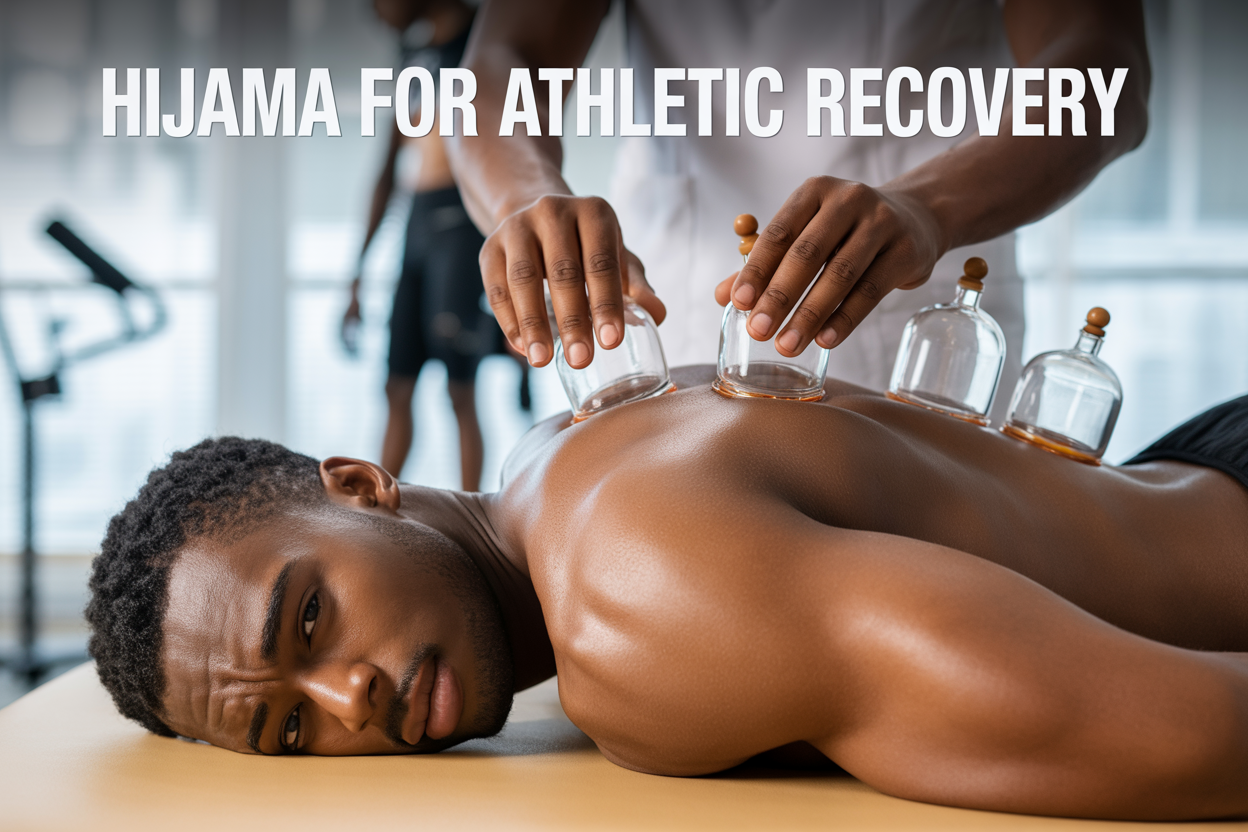
Athletes searching for natural recovery methods are discovering hijama for athletes as a powerful complement to their training routines. This ancient cupping recovery therapy is gaining popularity among professional and amateur athletes who want to speed up muscle recovery, reduce inflammation, and enhance their overall performance.
This guide is designed for competitive athletes, weekend warriors, and fitness enthusiasts who are curious about incorporating hijama into their recovery protocol. Whether you’re dealing with chronic muscle tension or looking to optimize your training results, understanding how this traditional therapy works can help you make an informed decision.
We’ll explore how hijama’s unique mechanism promotes faster muscle recovery by improving blood circulation and removing metabolic waste. You’ll also learn about the specific performance benefits that make this sports detox method attractive to athletes, and discover the best practices for safely integrating hijama treatments into your existing training schedule.
Table of Contents
- Understanding Hijama’s Mechanism for Athletic Recovery
- Accelerated Muscle Recovery Through Hijama Treatment
- Performance Enhancement Benefits for Athletes
- Targeted Treatment Areas for Maximum Athletic Benefits
- Safe Integration of Hijama into Athletic Training Programs
- Conclusion
- Frequently Asked Questions (FAQ)
-
Common Questions About Hijama for Athletes
- Is hijama for athletes safe to practice regularly?
- How soon after hijama can I return to training?
- Which sports benefit most from cupping recovery therapy?
- Can hijama replace traditional recovery methods?
- What’s the difference between hijama and regular cupping?
- Are there any side effects specific to athletic performance?
- How do I find a qualified practitioner for athletic hijama?
-
Common Questions About Hijama for Athletes
Understanding Hijama’s Mechanism for Athletic Recovery
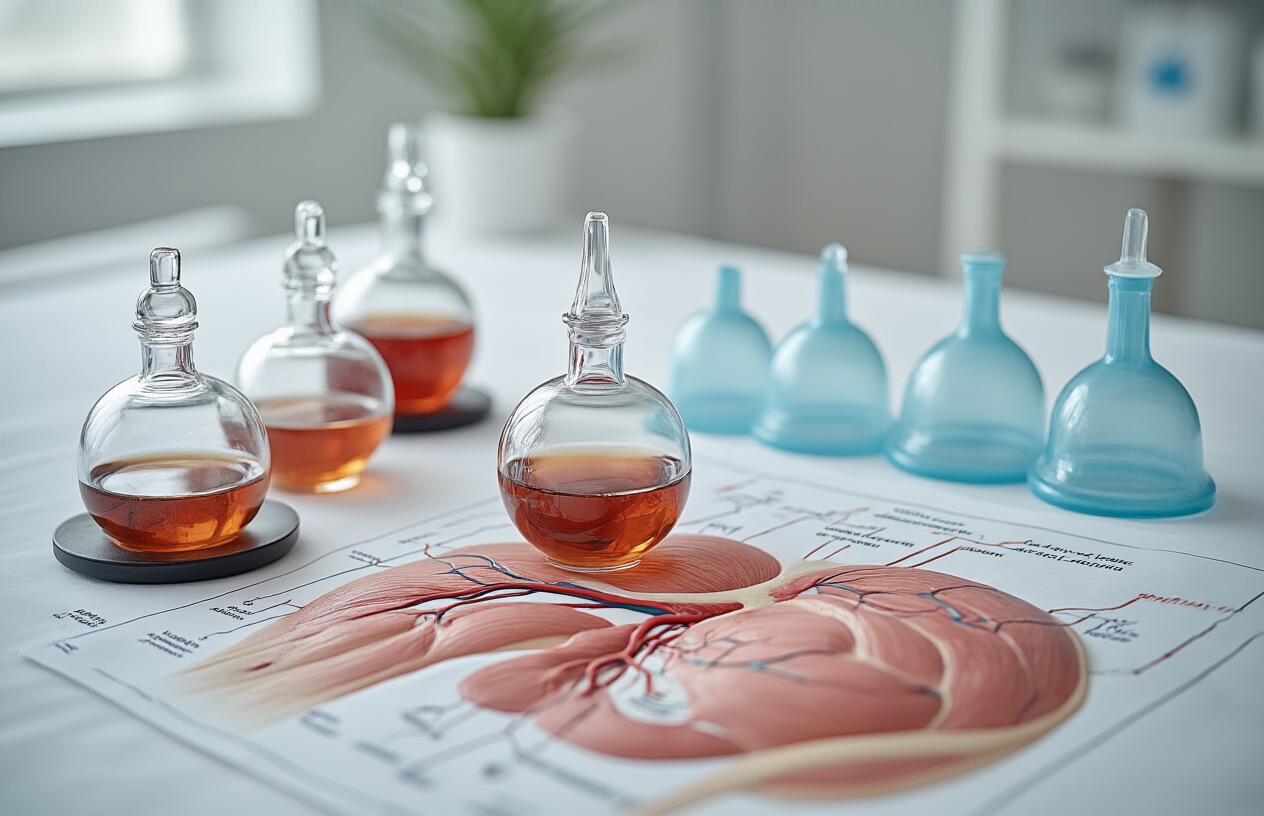
Ancient cupping therapy principles applied to modern sports medicine
Hijama traces its roots back thousands of years, originating in ancient Chinese, Egyptian, and Islamic medical traditions. Today’s sports medicine professionals are rediscovering what ancient healers knew intuitively – that creating controlled suction on the skin can dramatically improve athletic recovery. The practice involves placing specialized cups on targeted body areas and creating negative pressure through either heat or mechanical pumps.
Modern hijama for athletes builds on these time-tested principles while incorporating contemporary understanding of physiology and biomechanics. Athletes benefit from this fusion of ancient wisdom and modern application, as practitioners can now precisely target specific muscle groups and injury sites based on current sports science research.
The therapeutic approach works on multiple physiological levels simultaneously. Unlike pharmaceutical interventions that often target single pathways, hijama creates a cascade of beneficial responses throughout the body’s systems. This holistic approach aligns perfectly with athletes’ needs for comprehensive recovery solutions.
How suction creates therapeutic blood flow enhancement
The negative pressure created during hijama treatment triggers immediate vascular responses that benefit athletic recovery. When cups are applied to the skin, they draw blood toward the surface, creating localized hyperemia – an increased blood flow to the treated area. This enhanced circulation delivers fresh oxygen and nutrients directly to fatigued muscles while simultaneously removing metabolic waste products.
Cupping recovery therapy works by dilating blood vessels beneath the treatment area. This dilation effect extends beyond the immediate cup placement, creating improved circulation patterns throughout connected tissue networks. Athletes often report feeling warmth and increased mobility in treated areas within minutes of treatment completion.
The suction effect also stimulates the lymphatic system, which plays a crucial role in removing cellular debris and inflammatory markers from muscle tissue. Enhanced lymphatic drainage helps reduce post-exercise swelling and accelerates the natural healing process that occurs during recovery periods.
Toxin removal process through localized blood extraction
One of hijama’s most distinctive features is the controlled extraction of small amounts of blood from treatment sites. This process, known as wet cupping, creates microscopic incisions that allow accumulated toxins and metabolic waste to exit the body directly. For athletes dealing with intense training loads, this targeted detoxification can significantly improve recovery times.
The extracted blood often contains higher concentrations of inflammatory markers, cellular debris, and oxidative stress byproducts compared to normal circulation. By removing these substances locally, sports detox through hijama reduces the overall toxic load on the athlete’s system without requiring extensive systemic processing through the liver and kidneys.
Research shows that localized blood extraction can also reduce tissue pressure in areas prone to compartment syndrome or chronic inflammation. This pressure relief allows for better nutrient delivery and waste removal in subsequent training sessions.
Natural pain relief without pharmaceutical interventions
Hijama provides athletes with powerful pain management options that don’t carry the risks associated with medications. The treatment activates the body’s natural pain-blocking mechanisms through several pathways. Gate control theory explains how the sensory input from cupping can override pain signals traveling to the brain, providing immediate relief.
The practice also stimulates endorphin release, creating natural pain relief that can last for hours or days after treatment. Athletes appreciate this chemical-free approach to pain management, especially during competitive seasons when drug testing concerns are paramount.
Chronic pain conditions that often plague athletes, such as IT band syndrome, plantar fasciitis, and chronic shoulder impingement, respond particularly well to regular hijama treatments. The therapy addresses both the symptoms and underlying inflammation that perpetuate these conditions, offering sustainable pain relief without masking important warning signals from the body.
Accelerated Muscle Recovery Through Hijama Treatment
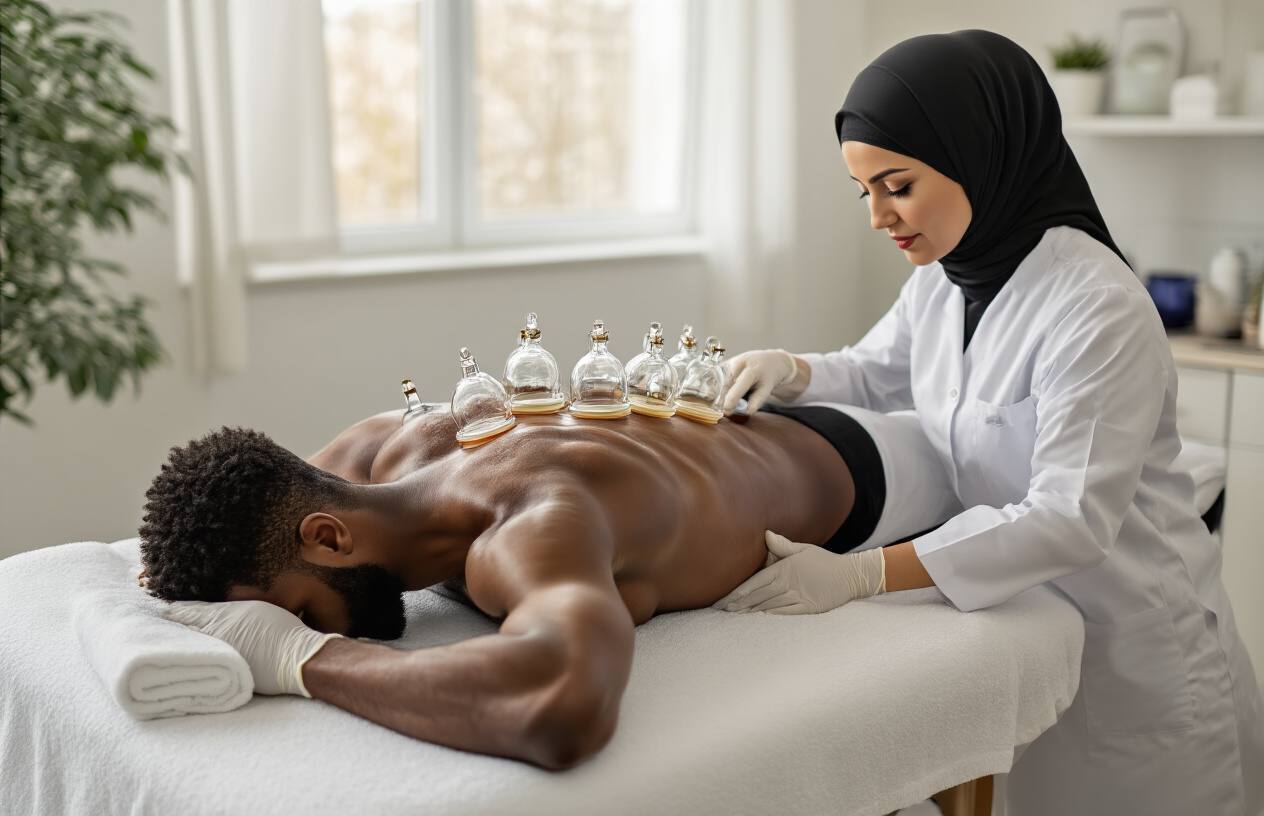
Reduced inflammation and swelling in overworked muscles
When athletes push their bodies to the limit, muscle inflammation becomes a natural but problematic response. Hijama for athletes works by creating controlled suction that draws inflammatory fluids and cellular debris to the skin’s surface. This process helps reduce the deep tissue swelling that often keeps athletes sidelined longer than necessary.
The suction effect of cupping creates negative pressure within muscle tissues, which promotes lymphatic drainage and reduces the accumulation of inflammatory markers like prostaglandins and histamines. Athletes who incorporate this ancient practice report feeling less stiffness and soreness in targeted muscle groups, particularly after intense training sessions or competitions.
Research shows that the mechanical stimulation from cupping therapy activates the body’s anti-inflammatory pathways while simultaneously reducing pro-inflammatory cytokines. This dual action makes it particularly effective for treating overuse injuries common in endurance sports and high-intensity training regimens.
Enhanced oxygen delivery to damaged muscle fibers
Muscle recovery depends heavily on adequate oxygen supply to repair damaged tissue. Cupping recovery therapy improves local blood circulation by dilating capillaries and increasing blood flow to treated areas. The increased circulation delivers fresh, oxygen-rich blood directly to muscle fibers that need repair most.
The suction created during hijama treatment causes vasodilation, which widens blood vessels and creates new pathways for blood flow. This enhanced circulation continues for hours after treatment, providing sustained oxygen delivery to recovering muscles. Athletes often notice improved muscle function and reduced fatigue in areas that received cupping therapy.
The improved oxygenation also supports mitochondrial function within muscle cells, boosting energy production at the cellular level. This enhanced cellular energy helps accelerate the repair process and reduces the overall recovery time between training sessions.
Faster elimination of metabolic waste products
During intense physical activity, muscles produce metabolic byproducts like lactic acid, creatine kinase, and other cellular waste that can impede recovery. Sports detox through hijama helps flush these accumulated toxins from muscle tissues more efficiently than passive recovery alone.
The negative pressure created by cupping draws stagnant blood and lymphatic fluid toward the skin’s surface, carrying metabolic waste products along with it. This process essentially creates a “cleaning effect” within the muscle tissue, removing substances that would otherwise slow down recovery and contribute to prolonged soreness.
Athletes who use hijama regularly report less muscle fatigue and improved performance consistency. The enhanced waste removal prevents the buildup of toxins that typically accumulate with repetitive training, allowing for more frequent high-intensity sessions without compromising recovery quality.
Improved tissue regeneration and cellular repair
The healing response triggered by hijama therapy stimulates several biological processes that accelerate tissue repair. The controlled trauma from suction activates fibroblast production, which is essential for creating new connective tissue and repairing damaged muscle fibers.
This treatment also increases the production of growth factors and stem cell activity in treated areas. These cellular messengers coordinate the repair process and help rebuild stronger, more resilient muscle tissue. The improved cellular communication leads to more organized scar tissue formation and better long-term muscle function.
The mechanical stimulation from cupping also promotes collagen synthesis, which strengthens the extracellular matrix surrounding muscle fibers. This enhanced structural support helps prevent future injuries while improving overall muscle quality and performance capacity.
Performance Enhancement Benefits for Athletes

Increased Flexibility and Range of Motion
Hijama for athletes delivers remarkable improvements in joint mobility and muscle flexibility through targeted suction therapy. The cupping technique creates negative pressure that lifts soft tissue away from underlying structures, breaking up fascial adhesions and scar tissue that limit movement. Athletes often develop tight, restricted areas from repetitive motions and intense training loads. Regular hijama sessions systematically address these restrictions, allowing muscles to lengthen more effectively and joints to move through their full range.
Professional athletes report significant improvements in hip flexion, shoulder mobility, and ankle dorsiflexion after consistent hijama treatments. The therapy works particularly well for sports requiring extensive range of motion like gymnastics, martial arts, and swimming. Unlike static stretching alone, hijama addresses deeper tissue layers that conventional flexibility work can’t reach.
Better Blood Circulation for Optimal Nutrient Delivery
The suction effect of cupping recovery therapy dramatically increases local blood flow to treated areas. Fresh, oxygen-rich blood carries essential nutrients, amino acids, and growth factors directly to muscle tissue, while simultaneously removing metabolic waste products like lactic acid and carbon dioxide. This enhanced circulation creates an optimal healing environment that accelerates tissue repair and regeneration.
Athletes experience faster nutrient uptake in targeted muscle groups, leading to quicker energy replenishment and reduced recovery times between training sessions. The improved vascular response also helps deliver anti-inflammatory compounds naturally produced by the body, reducing exercise-induced inflammation without pharmaceutical interventions.
| Circulation Benefits | Athletic Impact |
|---|---|
| Increased oxygen delivery | Enhanced aerobic capacity |
| Faster nutrient transport | Quicker glycogen replenishment |
| Improved waste removal | Reduced muscle fatigue |
| Enhanced lymphatic drainage | Decreased swelling and soreness |
Reduced Muscle Tension and Stiffness
Chronic muscle tension plagues many athletes, creating compensation patterns that increase injury risk and decrease performance efficiency. Hijama therapy releases deep-seated muscle knots and trigger points that massage and foam rolling often can’t fully address. The negative pressure lifts muscle fibers, creating space between tissue layers and allowing contracted muscles to relax.
Athletes competing in strength sports like powerlifting and bodybuilding find hijama particularly effective for releasing tension in the upper traps, rhomboids, and erector spinae muscles. Endurance athletes benefit from treatments targeting the IT band, calves, and hip flexors. The mechanical action of cupping interrupts pain-tension cycles, providing immediate relief that lasts days or weeks after treatment.
Enhanced Energy Levels and Endurance Capacity
Regular hijama sessions contribute to improved energy production at the cellular level. Better circulation means more efficient oxygen and glucose delivery to working muscles, while enhanced waste removal prevents the buildup of fatigue-inducing metabolites. Athletes report feeling more energetic during training and experiencing less fatigue during competition.
The sports detox effect of hijama helps eliminate toxins that can impair cellular function and energy metabolism. Many athletes notice improved training capacity within 24-48 hours of treatment, with peak benefits often occurring 3-5 days post-session. This timing allows strategic scheduling around competitions and high-intensity training blocks.
Distance runners frequently experience improved lactate threshold and delayed onset of fatigue. Team sport athletes report maintaining higher intensity levels throughout games and practices. The energy benefits extend beyond physical performance, with many athletes experiencing improved mental clarity and focus.
Improved Sleep Quality for Better Recovery Cycles
Quality sleep remains the cornerstone of athletic recovery, and hijama therapy significantly enhances sleep patterns through multiple mechanisms. The treatment activates the parasympathetic nervous system, promoting relaxation and reducing cortisol levels that can interfere with deep sleep stages. Athletes often fall asleep faster and experience more restorative sleep cycles following hijama sessions.
The pain relief and muscle relaxation effects of cupping therapy eliminate many physical discomforts that disrupt sleep. Athletes dealing with chronic aches, joint stiffness, or muscle tension find they can maintain comfortable sleeping positions throughout the night. This uninterrupted sleep allows for optimal growth hormone release and tissue repair processes.
Sleep tracking data from athletes using hijama consistently shows increased time in deep sleep stages and reduced nighttime awakenings. Better sleep quality translates directly to improved next-day performance, mood regulation, and faster adaptation to training stimuli.
Targeted Treatment Areas for Maximum Athletic Benefits
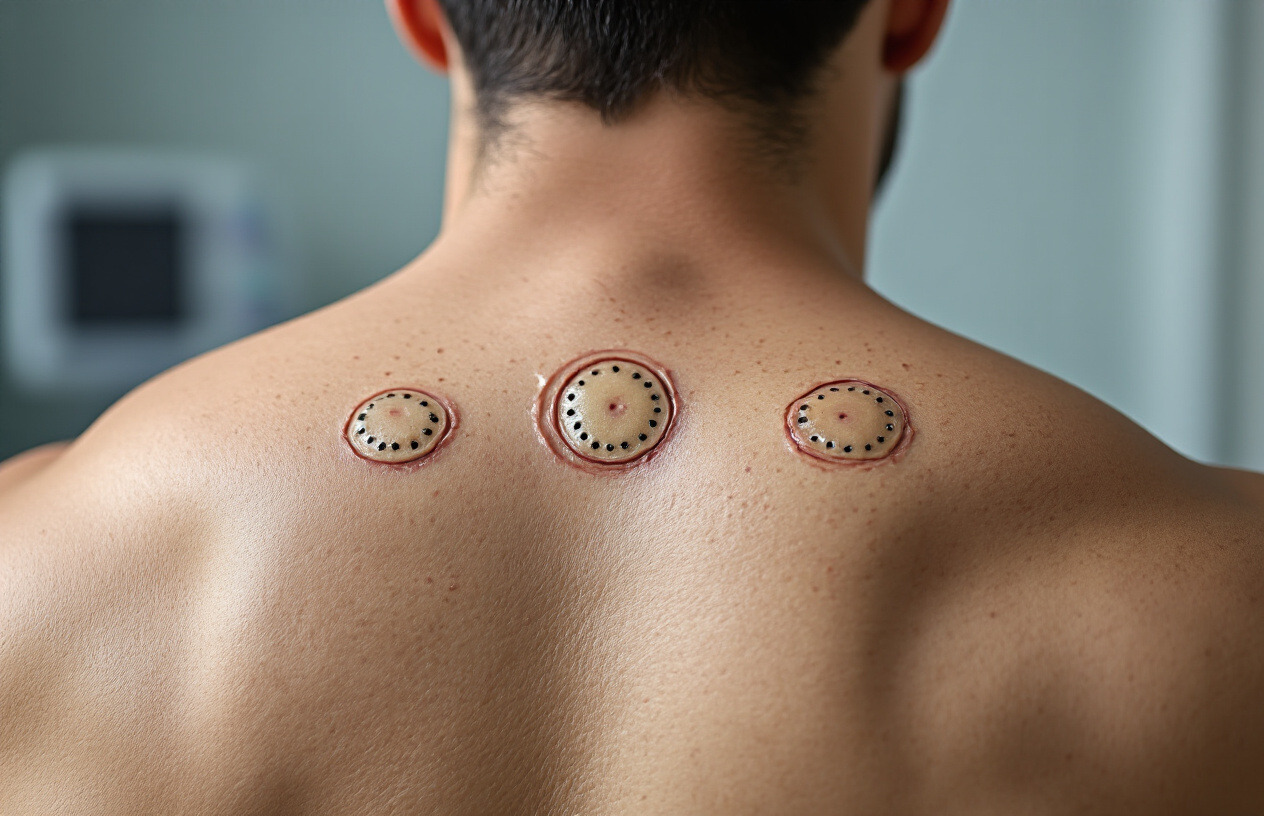
Lower back and spine for core strength athletes
The lower back and spine region serves as the powerhouse for athletes who depend on core stability and strength. Hijama for athletes targeting this area creates remarkable improvements in performance and recovery for powerlifters, gymnasts, martial artists, and CrossFit competitors.
Placing cups along the erector spinae muscles helps release deep-seated tension that accumulates from heavy deadlifts, squats, and overhead movements. The suction draws fresh blood to these crucial stabilizing muscles while removing metabolic waste that builds up during intense training sessions. Athletes often report significant reduction in lower back stiffness and improved spinal mobility after treatment.
The lumbar region responds particularly well to cupping recovery therapy because this area tends to hold chronic tension patterns. When you’re constantly engaging your core during athletic movements, these muscles can become overworked and develop trigger points. The negative pressure from hijama cups helps break up fascial restrictions and promotes better muscle fiber alignment.
Strategic cup placement around the sacroiliac joints and thoracolumbar junction addresses common problem areas where many athletes experience discomfort. The treatment enhances proprioception and neuromuscular control, which directly translates to better performance in movements requiring core stability.
Recovery times between training sessions decrease noticeably when athletes incorporate regular hijama treatments for their lower back and spine. The improved circulation helps deliver nutrients more efficiently to these hardworking muscles while accelerating the removal of inflammatory compounds.
Shoulders and arms for swimmers and weightlifters
Swimmers and weightlifters place enormous demands on their shoulder girdle and arm muscles, making these areas prime candidates for targeted hijama treatment. The repetitive overhead motions in swimming and the heavy loading patterns in weightlifting create unique recovery challenges that cupping recovery therapy addresses effectively.
The deltoid muscles, rotator cuff complex, and latissimus dorsi respond exceptionally well to hijama treatment. Cups placed strategically around the shoulder blade and upper arm region help decompress tight fascial layers that develop from repetitive stroke mechanics or heavy pressing movements. This decompression allows for better range of motion and reduces the risk of impingement syndromes.
For swimmers specifically, hijama treatment along the posterior deltoid and rhomboid muscles counteracts the forward shoulder posture that develops from thousands of stroke repetitions. The suction helps realign muscle fibers and restore proper scapular positioning, which is crucial for efficient stroke mechanics.
Weightlifters benefit tremendously from hijama treatment on their triceps, biceps, and forearm muscles. Heavy pressing, pulling, and gripping movements create significant metabolic stress in these tissues. The enhanced blood flow from hijama treatment accelerates the removal of lactic acid and other fatigue-inducing compounds while delivering fresh oxygen and nutrients to support recovery.
Sports detox through hijama becomes particularly valuable for these athletes because their training intensity creates substantial metabolic byproducts that need efficient removal. The targeted approach helps maintain tissue quality and prevents the buildup of adhesions that can limit performance.
Legs and calves for runners and cyclists
Runners and cyclists subject their lower extremities to repetitive stress that can lead to overuse injuries and performance plateaus. Hijama for athletes targeting the legs and calves provides powerful recovery benefits that keep these endurance athletes performing at their peak.
The quadriceps, hamstrings, and calf muscles are primary beneficiaries of targeted hijama treatment. These large muscle groups generate tremendous force during running and cycling while also serving as shock absorbers. The negative pressure from cups helps break up fascial adhesions that develop from repetitive contractions and improves the sliding motion between muscle layers.
For runners, specific attention to the IT band, tensor fasciae latae, and gluteal muscles through hijama treatment addresses common areas of tightness and dysfunction. The enhanced blood flow helps maintain tissue elasticity and reduces the likelihood of overuse injuries like IT band syndrome or runner’s knee.
Cyclists experience unique benefits when hijama treatment focuses on their quadriceps and hip flexors. The sustained flexed position during cycling can create significant tension in these areas. Cupping recovery therapy helps counteract these positional stresses and maintains optimal muscle length-tension relationships.
The calf muscles deserve special attention in both running and cycling athletes. These muscles work overtime during push-off phases and sustained pedaling efforts. Hijama treatment helps maintain the pump mechanism of the calf muscles, which is crucial for venous return and overall leg circulation.
Sports detox effects are particularly pronounced in the legs due to the large muscle mass and high metabolic demands. The improved circulation helps clear metabolic waste products more efficiently, leading to faster recovery between training sessions and reduced muscle soreness.
Safe Integration of Hijama into Athletic Training Programs
Optimal timing between training sessions and treatments
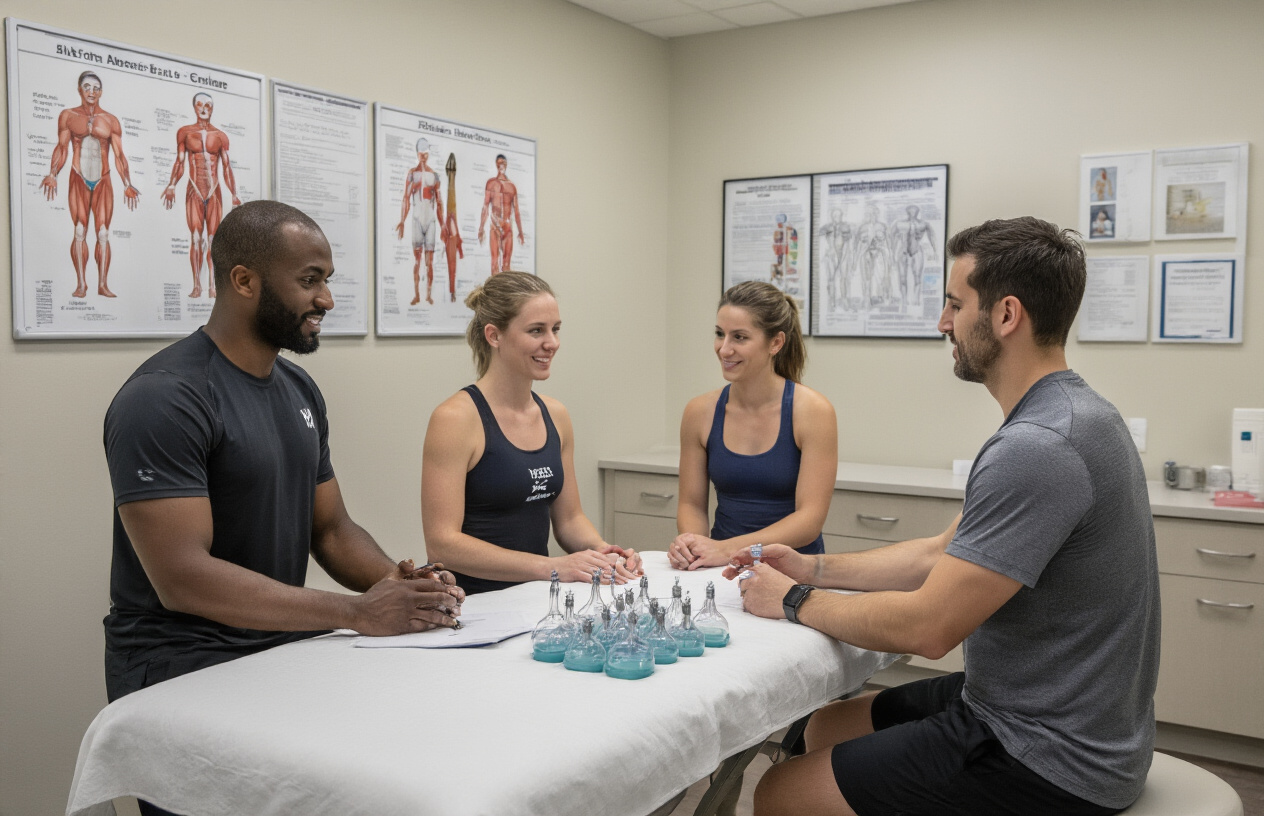
The timing of hijama for athletes requires strategic planning to maximize recovery benefits while avoiding interference with training performance. Most athletes achieve optimal results when scheduling cupping recovery therapy 24-48 hours after intense training sessions or competitions. This window allows your body to initiate its natural inflammatory response before the treatment helps accelerate the healing process.
Avoid receiving hijama treatments within 12 hours before important training sessions or competitions. The initial inflammatory response and potential soreness can temporarily reduce performance capacity. Many professional athletes schedule their treatments on designated recovery days or during lighter training periods.
For endurance athletes, weekly treatments work well during base training phases, while strength athletes might benefit from bi-weekly sessions during heavy lifting cycles. The key is listening to your body and working with your practitioner to establish a rhythm that supports your training goals rather than disrupting them.
Professional practitioner selection and certification requirements
Finding the right practitioner makes the difference between safe, effective treatment and potential injury. Look for certified practitioners who have specific experience working with athletes and understand the unique demands of sports performance. Proper certification should include formal training in hijama techniques, anatomy, and safety protocols.
Your practitioner should maintain current first aid and CPR certifications, use sterile equipment for every session, and follow strict hygiene protocols. They should also be able to explain their treatment approach and answer questions about how the therapy integrates with your specific sport and training demands.
Ask potential practitioners about their experience with athletes in your sport. Someone who has worked with runners understands different muscle patterns than someone who primarily treats weightlifters. The best practitioners will request information about your training schedule, injury history, and performance goals before designing a treatment plan.
Combining hijama with other recovery modalities
Hijama works exceptionally well alongside other recovery methods, creating a comprehensive approach to athletic restoration. Many athletes successfully combine cupping recovery therapy with massage therapy, scheduling massage sessions 2-3 days after hijama treatments to address any residual muscle tension.
Cold therapy and hijama complement each other beautifully. Ice baths or cryotherapy sessions can be used immediately after training, while hijama addresses deeper tissue recovery 1-2 days later. This combination tackles both acute inflammation and longer-term muscle recovery needs.
Sports detox protocols often include hijama as a cornerstone treatment, supported by proper hydration, quality sleep, and targeted nutrition. Compression therapy, foam rolling, and stretching routines can be maintained on non-treatment days, creating a well-rounded recovery strategy that addresses multiple aspects of athletic restoration.
Monitoring progress and adjusting treatment frequency
Tracking your response to hijama treatments helps optimize your recovery protocol over time. Keep a simple log noting treatment dates, areas worked on, and how you felt in the following days. Monitor factors like sleep quality, energy levels, muscle soreness, and training performance to identify patterns and improvements.
Many athletes use heart rate variability monitors or other recovery tracking devices to measure how their bodies respond to different treatment frequencies. If you notice decreased performance or increased fatigue following treatments, discuss adjusting the timing or intensity with your practitioner.
Your treatment frequency might change throughout different training phases. During competition season, you might reduce frequency to avoid any temporary performance dips, while increasing treatments during off-season recovery periods. Successful athletes remain flexible with their protocols, adjusting based on training demands, competition schedules, and how their bodies respond to the therapy.
Conclusion
Athletes constantly search for effective recovery methods that can give them an edge, and hijama presents a compelling option backed by centuries of traditional use. This ancient cupping therapy works by improving blood circulation, reducing muscle tension, and speeding up the body’s natural healing processes. When applied to specific areas like the shoulders, back, and legs, hijama can help athletes bounce back faster from intense training sessions while potentially boosting their overall performance levels.
The key to success lies in working with qualified practitioners who understand both hijama techniques and athletic needs. By incorporating this therapy into a well-planned training program, athletes can experience reduced recovery times, decreased muscle soreness, and improved flexibility. If you’re an athlete looking to explore natural recovery methods, consider consulting with a certified hijama practitioner to see how this time-tested therapy might fit into your training routine and help you reach your performance goals.
📌 Related Read:
Frequently Asked Questions (FAQ)
Common Questions About Hijama for Athletes
Is hijama for athletes safe to practice regularly?
Yes, hijama is generally safe for regular athletic use when performed by qualified practitioners. Most athletes can receive cupping recovery therapy once or twice weekly during intensive training periods, though frequency should align with your training schedule and recovery needs. Always consult with both your sports medicine team and a certified hijama practitioner to determine the optimal schedule for your specific sport and training intensity.
How soon after hijama can I return to training?
You can typically resume light training within 24 hours of treatment, but avoid high-intensity workouts for 48-72 hours to allow your body to fully benefit from the detoxification process. The circular marks left by cups usually fade within 3-7 days, which many athletes consider when scheduling treatments around competitions or media events.
Which sports benefit most from cupping recovery therapy?
Contact sports, endurance activities, and strength training sports show particularly strong benefits. Football players, runners, swimmers, weightlifters, and martial artists often report significant improvements in recovery time and muscle soreness reduction. Any sport involving repetitive movements or high physical demands can benefit from the enhanced circulation and toxin removal that hijama provides.
Can hijama replace traditional recovery methods?
Hijama works best as a complementary therapy alongside conventional recovery methods like ice baths, massage, and proper nutrition. Think of it as adding another powerful tool to your recovery arsenal rather than replacing proven techniques. Many professional athletes combine hijama with their existing recovery protocols for maximum benefit.
What’s the difference between hijama and regular cupping?
Traditional cupping creates suction without breaking the skin, while hijama involves small, controlled incisions that allow for sports detox through the removal of stagnant blood and toxins. This makes hijama particularly effective for athletes dealing with chronic muscle tension, inflammation, and metabolic waste buildup from intense training.
Are there any side effects specific to athletic performance?
Some athletes experience mild fatigue for 24-48 hours post-treatment as the body processes released toxins. This temporary effect actually indicates the treatment is working. Staying well-hydrated and maintaining electrolyte balance helps minimize any temporary performance dips while maximizing long-term benefits.
How do I find a qualified practitioner for athletic hijama?
Look for practitioners with specific experience treating athletes, proper certification, and understanding of sports physiology. Many sports medicine clinics now offer hijama services, or you can seek referrals from other athletes in your sport. The practitioner should understand training cycles, competition schedules, and sport-specific muscle groups.