

When our kids are exposed to processed foods, environmental toxins, or just feeling sluggish, we naturally wonder if gentle detox support might help them feel better. Child detox safety is our top priority as parents, and we want to make sure any natural cleansing for children we consider is both effective and appropriate for their developing bodies.
This guide is for parents who are curious about supporting their child’s natural detox processes safely. We’ll walk through when kids might actually benefit from detox support and how to create the right environment at home. We’ll also cover gentle detox methods that work with growing bodies rather than against them, plus help you spot and avoid the common mistakes that can do more harm than good.
Our children’s bodies are different from ours, and what works for adults doesn’t always translate to safe practices for kids. Let’s explore how to support our little ones’ natural cleansing systems in ways that promote their health and well-being.
Table of Contents
- Understanding When Kids Need Detox Support
- Creating a Safe Detox Environment at Home
- Gentle Detox Methods That Support Growing Bodies
- Supporting Your Child’s Natural Detox Systems
- Avoiding Common Detox Mistakes with Children
- Conclusion
- Frequently Asked Questions (FAQ)
- Is detoxing safe for all children?
- How long should a child’s detox program last?
- What are the warning signs to stop a detox immediately?
- Can children take detox supplements?
- What foods work best for children’s detox?
- How do we handle resistance from picky eaters?
- When should we consult a healthcare provider?
Understanding When Kids Need Detox Support

Recognizing Signs of Toxic Overload in Children
When we talk about child detox safety, we need to start by understanding the subtle signs that tell us our little ones might be dealing with toxic buildup. Children’s bodies are incredibly resilient, but they can also accumulate toxins from everyday sources like processed foods, environmental pollutants, and even cleaning products around our homes.
We often notice these signs first through changes in behavior and energy. Our children might become unusually irritable, have trouble concentrating at school, or experience frequent mood swings that seem out of character. Physical symptoms can include persistent fatigue, frequent headaches, recurring digestive issues like constipation or stomach aches, and skin problems such as eczema or unexplained rashes.
Sleep disturbances are another red flag we shouldn’t ignore. When our kids have trouble falling asleep, wake up frequently during the night, or seem tired even after a full night’s rest, their bodies might be working overtime to process accumulated toxins. We’ve also observed that children dealing with toxic overload may have weakened immune systems, leading to more frequent colds, infections, or allergies.
Cognitive signs include difficulty focusing, memory problems, or what we sometimes call “brain fog” – when our children seem mentally unclear or struggle with tasks that were previously easy for them. These symptoms often overlap with other conditions, which is why careful observation and professional guidance are essential when considering gentle detox for kids.
Distinguishing Between Normal Childhood Symptoms and Detox Needs
We know how challenging it can be to determine when our children need detox support versus when they’re simply going through normal childhood phases. Growing kids naturally experience mood changes, energy fluctuations, and occasional digestive issues as part of their development.
The key difference lies in persistence and severity. Normal childhood symptoms typically come and go, responding well to rest, good nutrition, and routine care. However, when we notice symptoms that persist for weeks or months despite our best efforts, or when multiple symptoms appear together, we might be looking at signs that warrant natural cleansing children approaches.
We should pay attention to timing patterns. If our children consistently feel worse after eating certain foods, spending time in particular environments, or during seasons when environmental toxins peak, these patterns can help us distinguish between normal variations and potential toxic overload.
Behavioral changes that interfere with daily life are particularly important indicators. While all children have difficult days, persistent irritability, significant changes in academic performance, or social withdrawal that lasts beyond typical adjustment periods may signal the need for gentle detox support.
We recommend keeping a simple symptom diary for a few weeks, noting patterns in mood, energy, sleep, and physical complaints. This record helps us see connections we might miss in day-to-day observations and provides valuable information when consulting healthcare professionals about our children’s needs.
Age-Appropriate Detox Considerations for Different Developmental Stages
Understanding that children’s detox needs vary dramatically by age helps us make safer, more effective choices for natural cleansing children approaches. We never recommend the same detox methods for toddlers that we might use for teenagers, as their bodies process and eliminate toxins very differently.
For our youngest children, ages 2-5, we focus primarily on prevention and gentle support through nutrition. Their developing organs, especially kidneys and liver, are still maturing, so we emphasize organic whole foods, adequate water intake, and reducing exposure to toxins rather than active detoxification. Simple steps like choosing organic produce, using natural cleaning products, and ensuring regular bowel movements provide the foundation for their natural detox systems.
School-age children, 6-12 years old, can benefit from slightly more structured approaches while still prioritizing gentleness. We can introduce fiber-rich foods, encourage more physical activity to support lymphatic drainage, and consider age-appropriate supplements under professional guidance. These children often respond well to fun, educational approaches that help them understand how their food choices affect how they feel.
For teenagers, 13-18 years, we can implement more comprehensive gentle detox for kids strategies while still being mindful of their continued growth and development. Their hormonal changes during puberty can actually increase their toxic load, making supportive detox measures more beneficial. We can introduce practices like dry brushing, encourage longer water intake goals, and discuss how lifestyle choices impact their body’s natural cleansing abilities.
Throughout all stages, we never recommend restrictive diets, harsh supplements, or adult detox protocols for children. Safety always comes first in our approach to child detox safety.
Creating a Safe Detox Environment at Home
Removing Harmful Chemicals from Cleaning Products and Personal Care Items
We need to start by tackling the chemical soup that surrounds our kids daily. Most conventional cleaning products contain ingredients we can’t even pronounce, let alone trust around our children’s developing bodies. Our first step involves switching to simple, natural alternatives that work just as well without the toxic load.
For cleaning, we’ve found that white vinegar, baking soda, and castile soap handle most household tasks beautifully. We mix equal parts water and vinegar in spray bottles for windows and surfaces. Baking soda works wonders as a scrubbing agent for bathrooms and kitchens. When we need something stronger, we look for plant-based cleaners with recognizable ingredients.
Personal care items deserve equal attention. We swap out conventional shampoos, soaps, and lotions for organic versions free from parabens, sulfates, and synthetic fragrances. Reading labels becomes second nature – if we wouldn’t eat an ingredient, we question putting it on our child’s skin.
Baby wipes, diaper creams, and bath products often contain the highest concentrations of chemicals. We make our own wipes using organic cotton cloths and gentle cleansing solutions, or we choose brands specifically formulated for sensitive skin with minimal ingredients.
Improving Indoor Air Quality for Better Respiratory Health
Our homes should breathe as naturally as our children do. Poor indoor air quality puts extra strain on young respiratory and detox systems, making our efforts to support natural cleansing children processes less effective.
We start with the basics: opening windows daily to exchange stale indoor air with fresh outdoor air. Even five minutes of cross-ventilation makes a noticeable difference. We’ve invested in air purifiers with HEPA filters for bedrooms and main living areas, especially helpful during pollen seasons or when wildfire smoke affects outdoor air quality.
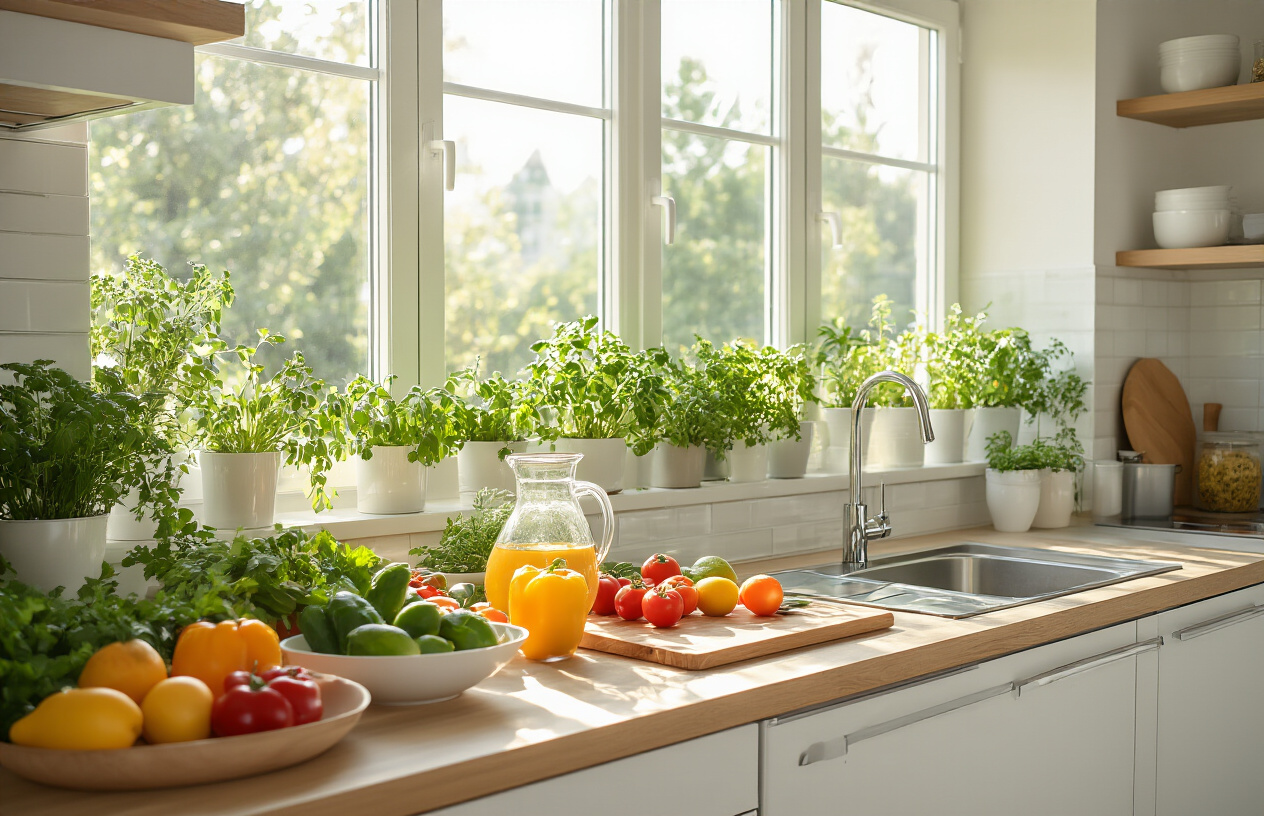
Plants become our living air filters. Spider plants, peace lilies, and snake plants naturally remove common indoor pollutants while adding oxygen. We place several in each room our kids spend time in, making sure to choose non-toxic varieties since little ones sometimes explore with their mouths.
Humidity control plays a bigger role than most parents realize. We maintain levels between 30-50% using humidifiers in dry climates or dehumidifiers in damp areas. Proper humidity prevents mold growth while keeping respiratory passages comfortable.
We also eliminate synthetic air fresheners, candles with artificial scents, and aerosol sprays. Instead, we use essential oil diffusers with kid-safe oils like lavender or orange, or we simply rely on good ventilation and natural cleaning products to keep our homes smelling fresh.
Establishing Toxin-Free Zones in Bedrooms and Play Areas
Children spend more time in bedrooms and play areas than anywhere else, making these spaces critical for child detox safety. We create sanctuaries where their bodies can rest and recover without constant chemical exposure.
Bedrooms get special attention since kids spend 8-12 hours sleeping and their bodies do most detox work during rest. We choose organic mattresses and bedding when possible, or at minimum, we use organic cotton sheets and pillowcases. Mattress protectors made from natural materials help create barriers against dust mites and allergens.
We keep electronics minimal in sleeping areas. WiFi routers, tablets, and phones emit electromagnetic fields that may interfere with sleep quality. We establish charging stations outside bedrooms and use analog alarm clocks instead of phones for wake-up calls.
Play areas require different strategies. We organize toys regularly, donating broken items and cleaning others with safe solutions. Plastic toys get wiped down with vinegar solutions, while fabric items go through regular washing cycles with gentle, fragrance-free detergents.
Storage becomes important too. We use wooden or bamboo containers instead of plastic bins when possible. For arts and crafts, we choose non-toxic markers, crayons, and paints specifically labeled as safe for children. Play dough gets made at home using simple flour, salt, and water recipes.
Choosing Organic Foods to Reduce Pesticide Exposure
Food choices directly impact how well we support gentle detox for kids. Conventional produce often carries pesticide residues that add to our children’s toxic load, making organic selections particularly valuable for growing bodies.
We follow the Dirty Dozen and Clean Fifteen lists as practical guides. When budget requires choices, we prioritize organic versions of apples, strawberries, spinach, and other heavily sprayed crops. For items like avocados, bananas, and sweet corn, conventional versions typically carry lower pesticide loads.
Local farmers’ markets become treasure hunts for seasonal, organically grown produce. We build relationships with vendors, learning about their growing practices even when they’re not certified organic. Many small farms use organic methods but can’t afford certification processes.
Meat and dairy selections matter significantly. We choose grass-fed, organic options when possible, understanding that animals concentrate toxins in their tissues. Even switching from conventional to organic milk makes a measurable difference in reducing antibiotic and hormone exposure.
We involve kids in food preparation, teaching them to wash all produce thoroughly under running water. For root vegetables and items with edible skins, we use vegetable brushes to remove surface residues. This simple step removes many surface pesticides even from conventional produce.
Processed foods require careful label reading. We look for organic versions of crackers, cereals, and snacks our kids enjoy. When organic isn’t available, we choose items with the shortest ingredient lists and avoid artificial colors, flavors, and preservatives whenever possible.
Gentle Detox Methods That Support Growing Bodies

Hydration strategies that boost natural detoxification
We believe water is the foundation of any gentle detox approach for children. When our kids drink enough clean, filtered water throughout the day, we’re helping their kidneys flush out toxins naturally. We recommend offering water consistently rather than waiting for them to ask – small sips every 15-20 minutes work better than large amounts all at once.
Adding natural flavor can make hydration more appealing. We love infusing water with cucumber slices, lemon wedges, or mint leaves. Fresh coconut water provides electrolytes without artificial additives, making it perfect for active children. Herbal teas like chamomile or ginger (served at room temperature) offer gentle detox support while keeping kids interested in drinking more fluids.
We’ve found that tracking water intake with colorful charts or fun water bottles helps children stay motivated. Our rule of thumb is half their body weight in ounces of water daily, adjusted for activity level and weather conditions.
Kid-friendly foods that naturally cleanse the system
Natural cleansing children respond well to whole foods that support their developing detox systems. We focus on colorful fruits and vegetables that make detoxing feel like a fun adventure rather than a chore. Berries are superstars – blueberries, strawberries, and raspberries contain antioxidants that help neutralize harmful substances.
Green leafy vegetables might seem challenging, but we’ve discovered creative ways to include them. Spinach blends invisibly into fruit smoothies, while kale chips satisfy the crunch kids crave. Sweet potatoes, carrots, and beets provide fiber that helps move toxins through the digestive system.
We incorporate these powerhouse foods into daily meals:
- Breakfast: Berry smoothies with spinach, overnight oats with chia seeds
- Lunch: Colorful veggie wraps, homemade vegetable soups
- Snacks: Apple slices with almond butter, homemade trail mix
- Dinner: Roasted rainbow vegetables, quinoa bowls with colorful toppings
Fiber-rich foods like beans, lentils, and whole grains act like internal scrub brushes, helping sweep toxins from the digestive tract. We make these more appealing by turning them into kid-friendly dishes like black bean quesadillas or lentil “meatballs.”
Safe movement and exercise for toxin elimination
Movement plays a crucial role in child detox safety because it gets lymphatic fluid circulating, helping transport waste products out of the body. We encourage age-appropriate activities that feel like play rather than forced exercise.
For younger children, we recommend:
- Dance parties in the living room (10-15 minutes)
- Nature walks or scavenger hunts
- Swimming or water play
- Playground activities like swinging and climbing
Older kids benefit from:
- Bike riding or skateboarding
- Team sports or martial arts
- Yoga designed for children
- Trampoline jumping (with supervision)
We’ve learned that consistency matters more than intensity. Twenty minutes of daily movement supports natural detox processes without overwhelming developing bodies. Deep breathing exercises, which kids can do through fun activities like blowing bubbles or playing wind instruments, help oxygenate cells and support detoxification.
The key is making movement enjoyable so children develop positive associations with physical activity. We avoid pushing too hard and instead focus on activities that naturally increase heart rate and promote sweating, which helps eliminate toxins through the skin.
Appropriate sleep schedules for optimal detox function
Sleep is when our children’s bodies perform their most important detox work. During deep sleep phases, the brain’s glymphatic system becomes more active, clearing out metabolic waste that accumulates during waking hours. We prioritize consistent sleep schedules because irregular bedtimes disrupt these natural cleansing cycles.
Age-appropriate sleep guidelines we follow:
| Age Group | Recommended Sleep | Ideal Bedtime |
|---|---|---|
| Toddlers (1-3 years) | 11-14 hours | 7:00-8:00 PM |
| Preschoolers (3-5 years) | 10-13 hours | 7:30-8:30 PM |
| School age (6-12 years) | 9-11 hours | 8:00-9:00 PM |
| Teens (13-17 years) | 8-10 hours | 9:00-10:00 PM |
We create calming bedtime routines that signal the body to prepare for restorative sleep. This includes dimming lights an hour before bed, avoiding screens, and engaging in quiet activities like reading or gentle stretching. Room temperature between 65-68°F and blackout curtains help create optimal sleep conditions for gentle detox for kids.
Quality sleep also regulates hormones that control hunger and stress, preventing the body from storing toxins. When children get adequate rest, their immune systems function better, making natural detoxification more effective. We’ve noticed that well-rested kids have more energy for physical activity and make better food choices, creating a positive cycle that supports their body’s natural cleansing abilities.
Supporting Your Child’s Natural Detox Systems

Strengthening liver function through nutrition
We know the liver works overtime to filter toxins from our children’s bodies, so supporting this vital organ through smart food choices makes all the difference. Fresh, colorful fruits and vegetables pack powerful antioxidants that help protect liver cells from damage while boosting their natural cleaning abilities.
Green leafy vegetables like spinach, kale, and broccoli contain compounds that ramp up the liver’s detox enzymes. We love sneaking these into smoothies or hiding them in pasta sauces where kids won’t even notice. Citrus fruits, especially lemons and grapefruits, stimulate bile production, which helps break down fats and flush waste from the system.
Beets deserve special mention here – they contain betalains that support liver detoxification pathways. We often grate raw beets into salads or roast them as colorful side dishes. Garlic and onions also deserve spots on our grocery lists, as they contain sulfur compounds that activate liver enzymes responsible for flushing out toxins.
Lean proteins like fish, chicken, and eggs provide amino acids the liver needs to produce glutathione, our body’s master antioxidant. We aim to include high-quality protein at every meal to keep these detox pathways running smoothly.
Limiting processed foods, artificial additives, and excess sugar reduces the liver’s workload, giving it more energy to focus on natural cleansing processes that support gentle detox for kids.
Promoting healthy digestion and regular bowel movements
Our digestive system serves as the first line of defense against toxins, so keeping everything moving smoothly protects our children’s overall health. Fiber-rich foods create the foundation for healthy elimination, helping sweep waste and toxins out of the intestines before they can be reabsorbed.
Whole grains, fruits with edible skins, and vegetables provide the bulk needed for regular bowel movements. We find that apples, pears, berries, and beans work particularly well for most children. Adding ground flaxseed or chia seeds to breakfast cereals or yogurt boosts fiber content while providing healthy omega-3 fats.
Probiotics play a huge role in maintaining the gut’s natural balance. We incorporate fermented foods like yogurt, kefir, and mild sauerkraut when possible, or consider age-appropriate probiotic supplements after consulting with healthcare providers. These beneficial bacteria help break down toxins and support immune function.
Water intake directly impacts digestion and elimination. We encourage sipping water throughout the day rather than chugging large amounts at once, which can dilute digestive enzymes. Warm water first thing in the morning often helps stimulate natural bowel movements.
Physical activity gets things moving too. Even simple activities like walking, dancing, or playground time help massage internal organs and promote regular elimination, supporting child detox safety through natural movement.
Enhancing kidney function with proper hydration
Our kidneys filter waste from the blood 24/7, making adequate hydration absolutely essential for optimal function. Clean, filtered water remains the gold standard for supporting these hardworking organs, but we need to think beyond just quantity.
Children require different amounts of water based on age, activity level, and climate. We generally aim for about 6-8 glasses daily for school-age children, but we watch for signs of proper hydration like pale yellow urine and good energy levels rather than forcing specific amounts.
The timing of water intake matters just as much as quantity. We encourage steady sipping throughout the day rather than large amounts at meals, which can dilute digestive juices. Starting the day with a glass of room-temperature water helps kickstart kidney function after the overnight fasting period.
Quality counts too. Filtered water removes chlorine, heavy metals, and other contaminants that can burden the kidneys. We avoid sugary drinks and limit natural fruit juices, as excess sugar can interfere with kidney function and overall detox processes.
Certain foods support kidney health naturally. Cucumber, watermelon, and cranberries provide gentle diuretic effects that help flush the kidneys. Fresh herbs like parsley and cilantro also support kidney function while adding flavor to meals. These natural approaches align perfectly with gentle detox for kids, working with the body’s existing systems rather than forcing dramatic changes.
Avoiding Common Detox Mistakes with Children

Preventing Overly Restrictive Diets That Harm Growth
We often see parents get caught up in the excitement of detoxing and accidentally swing too far toward restriction. Children’s bodies need consistent fuel to grow properly, and cutting out entire food groups or dramatically reducing calories can backfire spectacularly. We recommend focusing on adding nutritious foods rather than taking away what they’re eating.
Growing bodies need adequate protein, healthy fats, and yes, even carbohydrates to support brain development and physical growth. When we restrict too much, we risk nutrient deficiencies that can impact everything from bone density to cognitive function. Instead of eliminating foods completely, we suggest gradually introducing more whole foods while slowly reducing processed options.
Watch for warning signs like fatigue, mood swings, or complaints about being hungry. These signals tell us we might be pushing too hard. Remember, child detox safety means working with their natural appetite and growth needs, not against them.
Steering Clear of Adult Detox Supplements and Harsh Cleanses
Adult detox products have no place in children’s routines. We can’t stress this enough – what works for grown-ups can seriously harm developing systems. Many commercial detox supplements contain herbs and compounds that children’s livers simply can’t process safely.
Those trendy juice cleanses and fasting protocols? They’re designed for fully developed metabolisms, not growing bodies that need steady nutrition. We’ve seen too many cases where well-meaning parents gave their kids adult supplements, thinking smaller doses would work fine. This approach can lead to digestive upset, nutrient imbalances, or worse.
Gentle detox for kids means sticking to food-based approaches and child-specific support methods. Skip the dramatic cleanses and focus on simple changes like drinking more water, eating more vegetables, and getting better sleep. These natural approaches work better and keep everyone safe.
Recognizing When Professional Medical Guidance Is Necessary
We always recommend consulting with healthcare providers before starting any detox approach with children. Some situations absolutely require professional oversight, and we need to recognize these red flags early.
Contact your pediatrician immediately if your child shows signs like:
- Persistent digestive issues
- Unexplained fatigue or weakness
- Skin problems that won’t resolve
- Behavioral changes or mood swings
- Any concerning physical symptoms
Children with existing health conditions, food allergies, or developmental concerns need extra careful monitoring. We also suggest working with professionals if you’re dealing with environmental exposures or suspect heavy metal toxicity.
Natural cleansing children approaches work best when guided by someone who understands pediatric physiology. Don’t hesitate to ask questions or seek second opinions – we’d rather be overly cautious than risk harm.
Maintaining Emotional Well-being During the Detox Process
Kids pick up on our stress and anxiety around food and health changes. We need to keep the emotional climate positive and pressure-free during any detox process. Making this journey feel scary or overwhelming defeats the purpose entirely.
Frame dietary changes as adventures rather than restrictions. We love involving children in meal planning and preparation – it gives them ownership and excitement about the process. Explain changes in age-appropriate ways without creating fear around “bad” foods or toxins.
Pay attention to their emotional responses throughout the process. Some children might feel anxious about changes to familiar routines. Others might worry they’re sick or in trouble. We make sure to check in regularly and adjust our approach based on their comfort level.
Keep the focus on feeling strong and healthy rather than eliminating “bad” things from their bodies. This positive framework helps children develop healthy relationships with food and self-care that last well beyond any temporary detox period.
Conclusion

Our children’s bodies are incredible at healing themselves when we give them the right support. From understanding the warning signs that might signal your child needs extra help to creating a nurturing environment at home, we’ve covered the essential steps for safe detoxing. The gentle methods we discussed – from hydration and nutrition to supporting natural elimination pathways – work with your child’s developing systems rather than against them.
The most important thing we can do as parents is avoid the temptation to use adult detox methods or extreme approaches with our kids. Instead, focus on the basics: clean water, whole foods, adequate sleep, and gentle movement. When you support your child’s liver, kidneys, and digestive system naturally, you’re setting them up for long-term health success. Trust your instincts, work with healthcare professionals when needed, and remember that small, consistent changes make the biggest difference in helping our children thrive.
📌 Related Read:
Frequently Asked Questions (FAQ)

Is detoxing safe for all children?
We understand parents worry about child detox safety, and rightly so. Not all children need detox support, and some shouldn’t attempt it at all. Kids under 5 years old have developing organs that aren’t ready for detox protocols. We also advise against detoxing children with chronic health conditions, eating disorders, or those taking prescription medications without medical supervision. Healthy children between 6-18 can benefit from gentle, food-based approaches when done correctly.
How long should a child’s detox program last?
We recommend keeping any natural cleansing children program short and sweet. For kids 6-12 years old, 3-5 days maximum works best. Teenagers can handle 7-10 days if they’re eating plenty of nutritious foods. We never suggest extended fasting or restrictive eating for growing bodies. The goal is supporting their natural systems, not shocking them.
What are the warning signs to stop a detox immediately?
We watch for several red flags that mean it’s time to stop. If your child experiences severe headaches, dizziness, extreme fatigue, or mood changes beyond normal irritability, discontinue immediately. Digestive issues like persistent nausea, vomiting, or unusual bowel changes also signal problems. We always tell parents to trust their instincts – if something feels wrong, it probably is.
Can children take detox supplements?
We strongly discourage detox supplements for children. Their bodies are incredibly efficient at natural detoxing when given the right foods and environment. Instead of supplements, we focus on nutrient-dense whole foods, proper hydration, and adequate sleep. These gentle detox for kids approaches work with their natural development rather than forcing artificial processes.
What foods work best for children’s detox?
We love using kid-friendly foods that naturally support detoxification. Fresh berries, leafy greens (hidden in smoothies work great), cucumber water, and colorful vegetables make the process enjoyable. Citrus fruits help liver function, while fiber-rich apples and pears support elimination. We make it fun by creating rainbow plates and letting kids pick their favorite detox-supporting foods at the store.
How do we handle resistance from picky eaters?
We get creative with presentation and preparation. Smoothies hide tons of detox-supporting ingredients, and we let kids help with preparation to increase buy-in. Starting with tiny changes works better than dramatic shifts. We might begin by adding lemon to their water or including one new vegetable per meal. The key is making natural cleansing children practices feel like adventures, not punishments.
When should we consult a healthcare provider?
We recommend professional guidance before starting any detox program, especially for children with health concerns. If your child has allergies, digestive issues, or takes any medications, definitely check with their pediatrician first. We also suggest consulting a healthcare provider if you’re unsure about your child’s overall health status or if they’ve been exposed to significant toxins.